
Tony Rayns, Influential Champion of Korean Cinema, Dies at 78

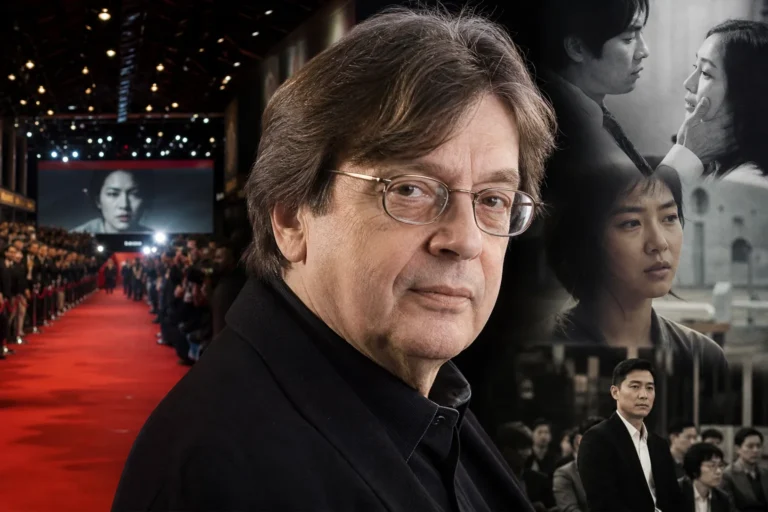
Tony Rayns, the British critic, programmer, translator and longtime advocate for Korean and East Asian cinema, has died at 78. His death was reported this week by Korean and international film institutions, prompting tributes from filmmakers, festival figures and critics who credited him with helping audiences outside Asia understand a generation of major directors before they became global names.
Rayns was not a celebrity in the conventional entertainment sense. His influence came through the quieter machinery of cinema culture: selecting films for festivals, writing essays, preparing subtitles, advising institutions and telling Western readers why a director from Seoul, Taipei, Hong Kong, Tokyo or Beijing deserved close attention. For Korean cinema in particular, his work formed part of the bridge between a national industry emerging from censorship and a global audience that would later embrace directors such as Bong Joon-ho, Lee Chang-dong and Hong Sang-soo.
Born in London in 1948, Rayns became known for his decades of writing for British film publications including Sight and Sound. He also contributed to festival programming at major international venues, including the London Film Festival and the Vancouver International Film Festival, where he was closely associated with the Dragons and Tigers program for Asian films. The British Film Institute described him as a world-renowned expert in East Asian cinema whose career helped bring many filmmakers to international attention.
A Key Advocate For Korean Film Abroad
Rayns’s relationship with Korean cinema deepened in the late 1980s, when Korean films and shorts were beginning to appear more visibly at international festivals. Korean reports noted that he became one of the first foreign critics to champion the country’s cinema with sustained historical and political understanding, paying attention not only to style but also to the experiences of colonial rule, war, dictatorship and democratization that shaped modern Korean storytelling.
His advocacy reached across several generations of filmmakers. He introduced and contextualized the work of Jang Sun-woo, Hong Sang-soo, Lee Chang-dong and Bong Joon-ho for critics and festival audiences abroad. According to Korean coverage, Rayns helped arrange early international exposure for Bong’s Korean Academy of Film Arts short Incoherence in the 1990s and later supported the overseas visibility of films including Memories of Murder and The Host. Those efforts now read as part of the prehistory of Korean cinema’s global boom, before awards-season triumphs and streaming platforms made the industry a constant international presence.
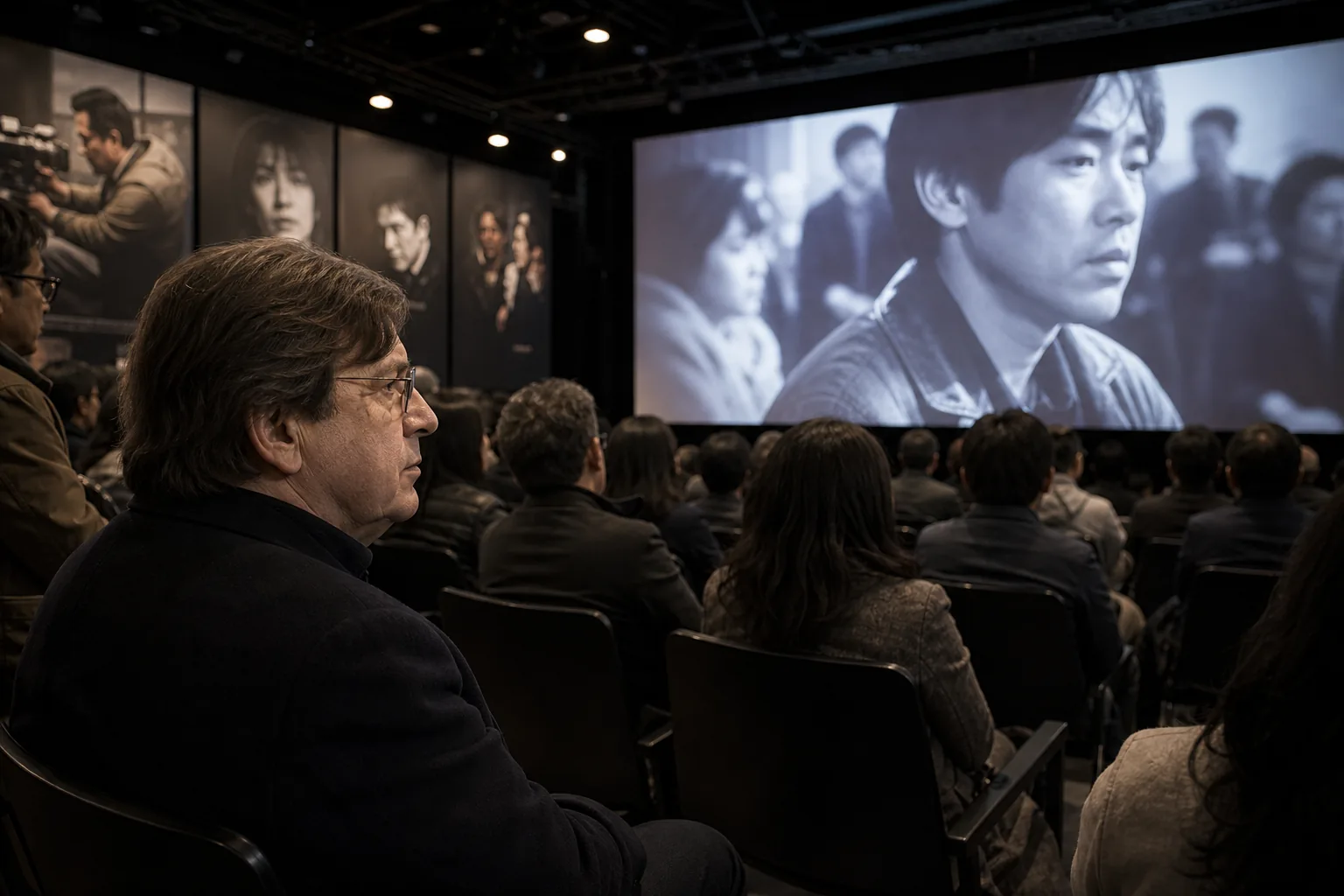
Rayns also played a formative role in the Busan International Film Festival, which launched in 1996 and became one of Asia’s most important film events. Reports from Korea said he advised the festival from its early years, served as a juror and returned frequently to Busan. His connection to the festival was not merely ceremonial: he was viewed as someone who understood both Korean filmmakers and the international festival ecosystem, and could help the two speak to each other.
Writer, Translator, Programmer And Filmmaker
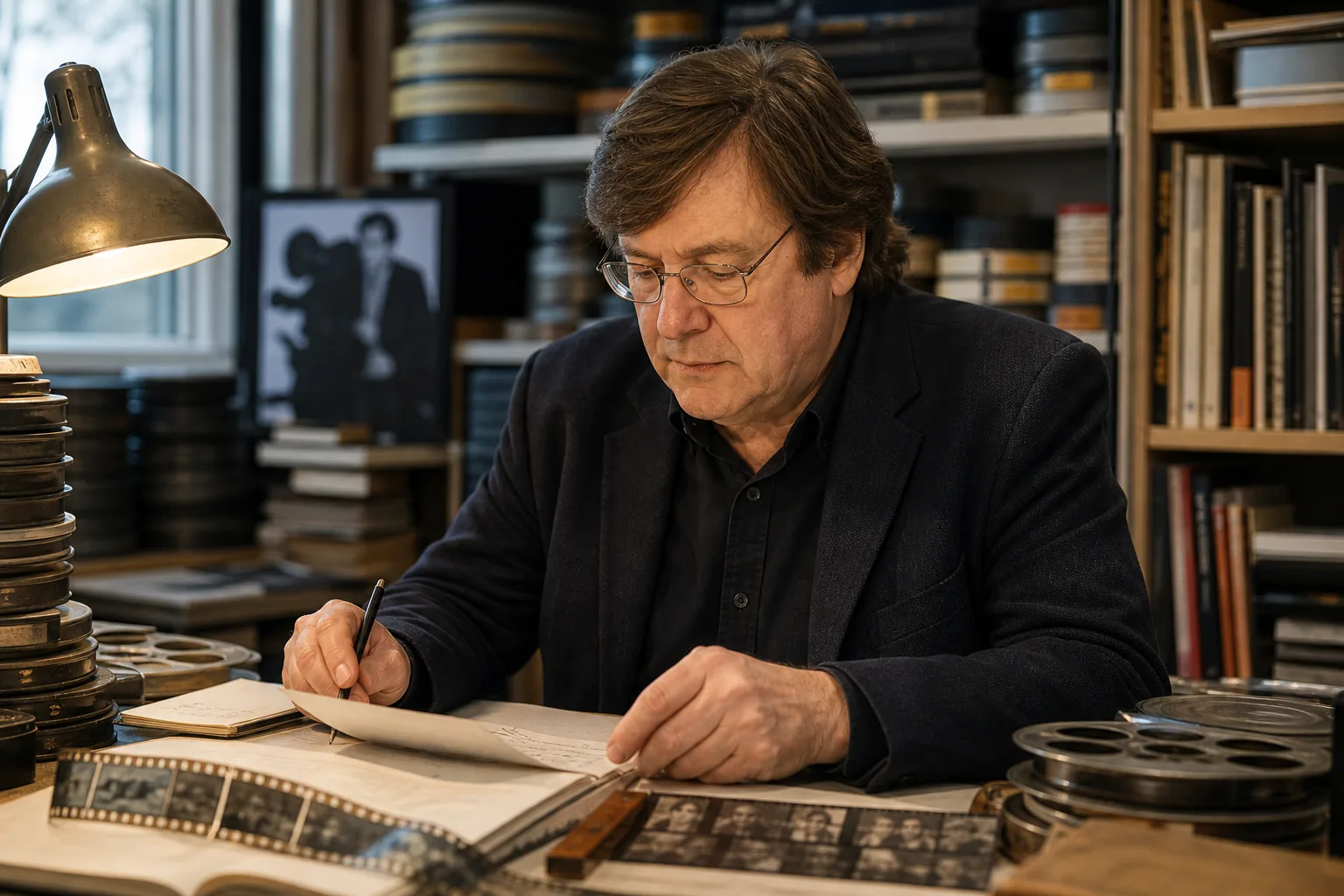
Rayns’s career was unusually broad. Alongside criticism and programming, he worked extensively as a translator and subtitle writer, making Asian films more accessible to English-speaking viewers without reducing their cultural specificity. He wrote essays and recorded commentaries for respected home-video editions, helped interpret the careers of directors across East Asia, and authored or edited books connected to major international filmmakers.
His Korean film work also included directing The Jang Sun-Woo Variations, a 2001 documentary about the influential Korean director Jang Sun-woo. In 2012, Busan screened Tony Rayns and 25 Years of Korean Cinema, a documentary that reflected the depth of his long relationship with the industry. Korean institutions also recognized his contribution: he received Busan’s Korean Cinema Award in 1996, and the Korean Film Council later honored him for his role in helping Korean cinema build international standing.
The tributes following his death have emphasized the practical nature of that legacy. Rayns did not simply admire Korean films from afar. He recommended them, translated them, placed them in festival lineups, defended filmmakers’ freedom of expression and wrote about them with enough context for foreign viewers to understand why they mattered. That kind of cultural labor often happens behind the scenes, but it can determine whether a film travels, whether a director is invited back and whether critics know how to place a new body of work.
A Legacy Behind Korean Cinema’s Global Rise
Korean cinema’s worldwide reputation is now often associated with box office records, Academy Awards, streaming series and pop-culture crossover. Rayns’s death is a reminder that the groundwork was laid by many people working before that attention arrived. Critics, subtitlers, programmers and festival advisers helped create the routes through which Korean films reached new viewers, long before the phrase ‘K-content’ became an industry label.
For that reason, Rayns’s passing is being felt not only as the loss of a critic, but as the loss of a cultural intermediary who took Asian cinema seriously on its own terms. His career connected audiences to films that might otherwise have remained geographically or linguistically distant, and his support helped Korean filmmakers enter conversations that are now central to world cinema.
Rayns leaves behind a body of work measured less by a single publication or award than by the directors, festivals and viewers he helped connect. In Korean entertainment history, his name belongs to the generation of advocates who saw the international potential of Korean film early and worked steadily to make that potential visible.


Join the Conversation
Log in to share your thoughts and join the conversation with other fans.