
Tony Rayns, British Critic Who Championed Korean Cinema, Dies at 78

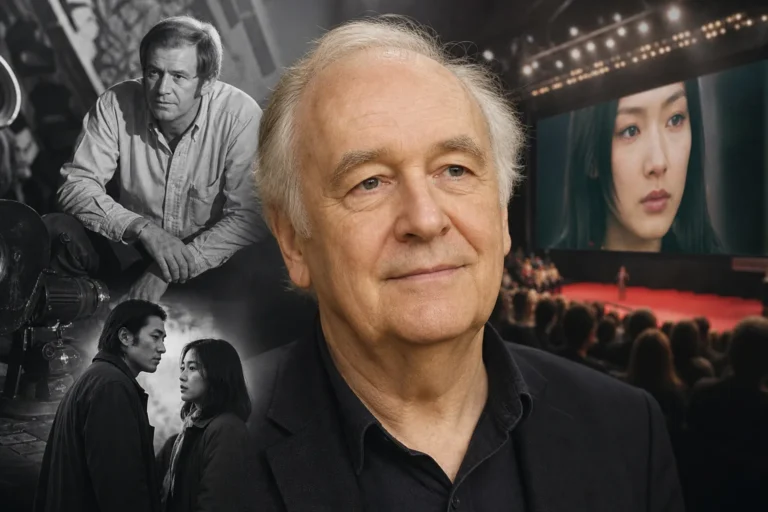
Tony Rayns, the British film critic, writer, translator, and festival programmer widely credited with helping bring Korean and broader East Asian cinema to international attention, has died at the age of 78.
Korean outlets reported that Rayns died on July 8, 2026. The exact cause of death was not officially announced in several reports, though tributes from film institutions and industry figures quickly framed his passing as a major loss for Korean cinema’s global community.
For many Korean film watchers, Rayns was not simply a foreign critic who admired the country’s movies from afar. He was a practical advocate: a programmer who selected films, a writer who contextualized directors for Western readers, and a festival adviser who helped build routes between Korean artists and overseas audiences long before Korean films became regular fixtures at the Oscars, Cannes, streaming platforms, and global box offices.
A Critic Who Opened Doors
Born in 1948, Rayns became known through decades of writing for major film publications, including the British Film Institute’s Site & Sound. His work extended well beyond reviews. He developed a reputation as one of the English-language world’s most knowledgeable interpreters of East Asian cinema, covering film cultures from Hong Kong, mainland China, Taiwan, Japan, Thailand, and Korea.
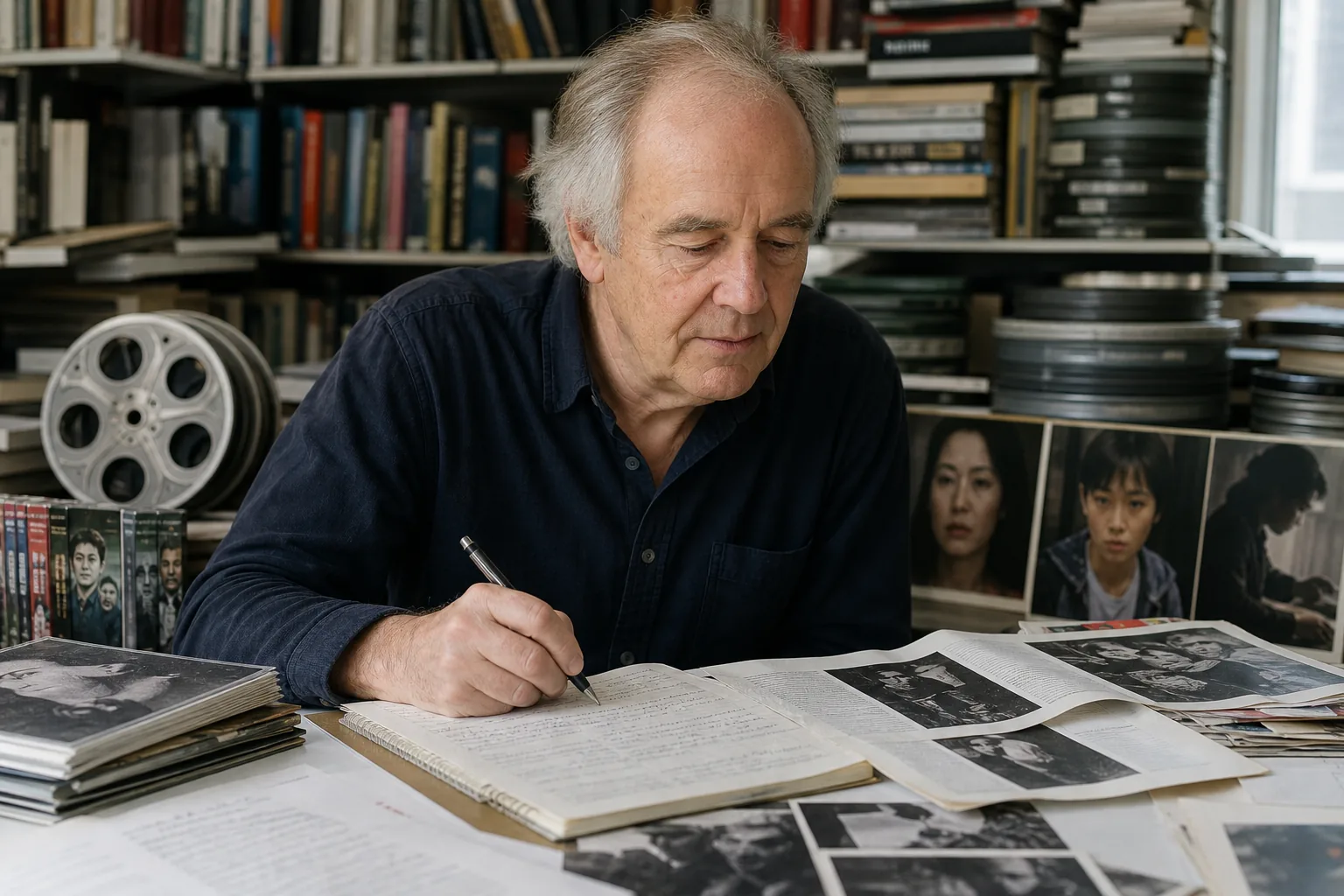
That expertise was not abstract. From 1988 to 2006, Rayns led the Dragons and Tigers section at the Vancouver International Film Festival, a program devoted to Asian cinema. Through that platform, he helped introduce international audiences and programmers to emerging directors who would later become central figures in global film culture.
Korean reports highlighted one especially important example: Rayns was involved in bringing Bong Joon Ho’s 1994 short film Incoherence, made as Bong’s Korean Academy of Film Arts graduation project, to festival attention in Vancouver and Hong Kong. Years before Parasite transformed Bong into a household name outside Korea, Rayns was among the early observers who treated his work as part of a serious new wave.
Deep Ties To Busan And Korean Film
Rayns’s relationship with Korean cinema also ran through the Busan International Film Festival. When BIFF launched in 1996, he served as an adviser and became one of the international voices who helped the festival define its early identity. The festival later described him as someone who recognized the value of Korean and Asian cinema earlier than most and shared it with the world.
His support was not limited to celebration. Rayns also spoke publicly about the importance of festival independence, including during controversies around outside pressure on BIFF. That stance made him part of a broader conversation about why festivals matter not only as showcases, but as institutions that protect difficult, ambitious, and politically sensitive cinema.
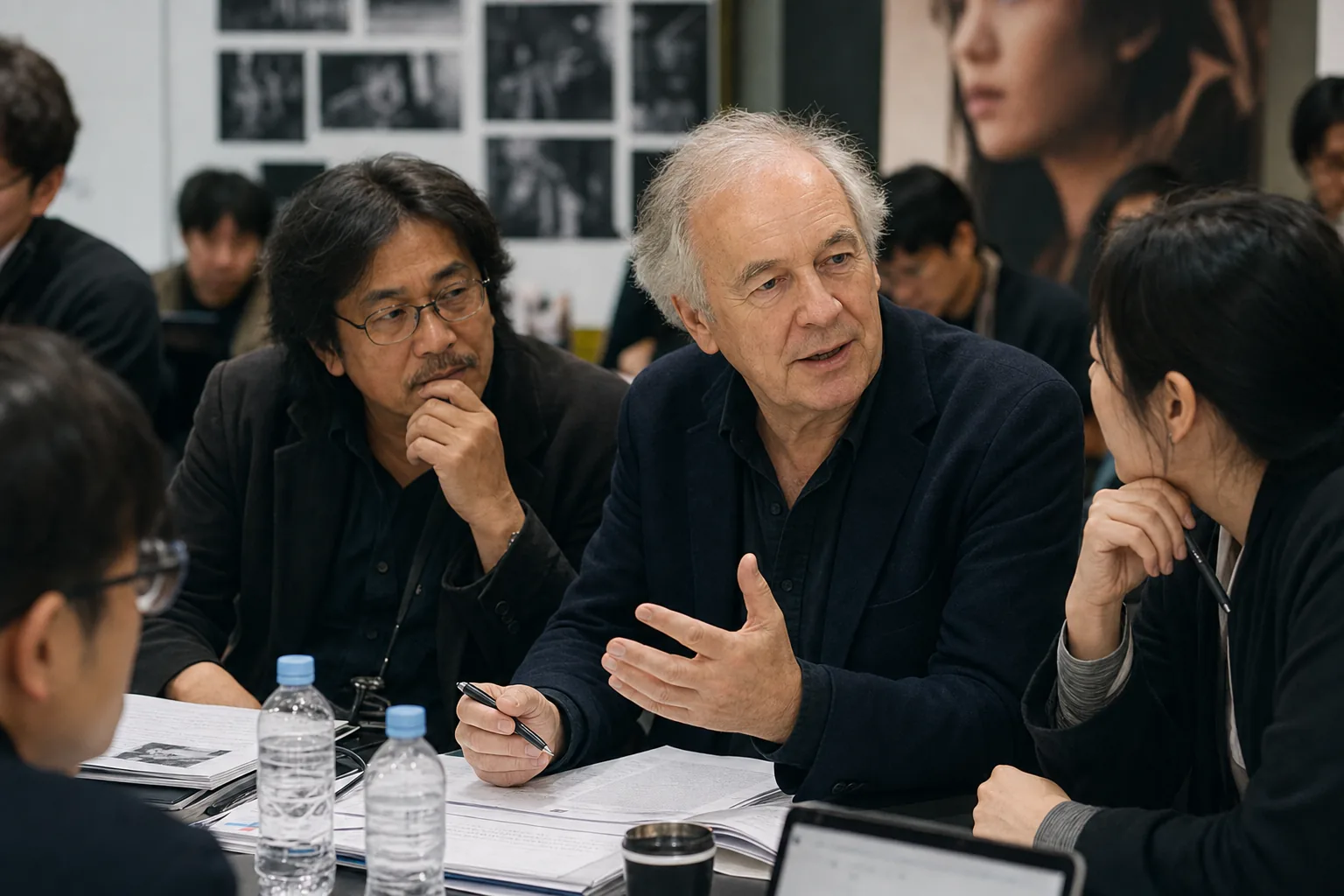
In 2012, BIFF screened the documentary Tony Rayns and Korean Cinema 25 Years, a title that reflected how deeply his career had become intertwined with Korea’s film rise. The same year, the Korean Film Council honored him with its first appreciation plaque for contributions to Korean cinema, recognizing a career spent making Korean filmmakers more visible abroad.
A Legacy Behind The Spotlight
Rayns’s influence was often felt in places that general audiences rarely see: festival selection meetings, catalogue essays, subtitling decisions, retrospective programs, and conversations between critics, distributors, and programmers. Those behind-the-scenes choices can determine whether a film travels, whether a director is invited back, and whether a national cinema is understood as a passing curiosity or a lasting artistic force.
That is why tributes from Korean film figures have emphasized not only his knowledge, but also his consistency. Rayns supported Korean cinema before the term K-content became a business label and before Korean directors could rely on built-in international attention. His work helped create the conditions in which later breakthroughs could be recognized more quickly.
Kim Dong Ho, the former BIFF executive chairman who maintained a long association with Rayns, was quoted in Korean reports as expressing deep sorrow and noting Rayns’s major contribution to making Korean cinema known around the world. The sentiment echoed across the coverage: Rayns was remembered as a companion to Korean film, not merely a commentator on it.
His death comes at a time when Korean cinema is firmly embedded in global culture, from prestige festival circuits to mainstream genre fandom. That visibility can make the earlier work of international advocates easy to overlook. Rayns’s career is a reminder that cultural breakthroughs are rarely sudden. They are built through years of translation, advocacy, programming, and careful attention.
For Korean cinema, Tony Rayns leaves behind a legacy measured not only in essays and festival credits, but in the paths he helped open for filmmakers who wanted their stories to move beyond borders.



Join the Conversation
Log in to share your thoughts and join the conversation with other fans.