Tony Rayns, Influential Champion of Korean and East Asian Cinema, Dies

Tony Rayns, the British critic and programmer who helped introduce Korean and East Asian cinema to international audiences, has died.
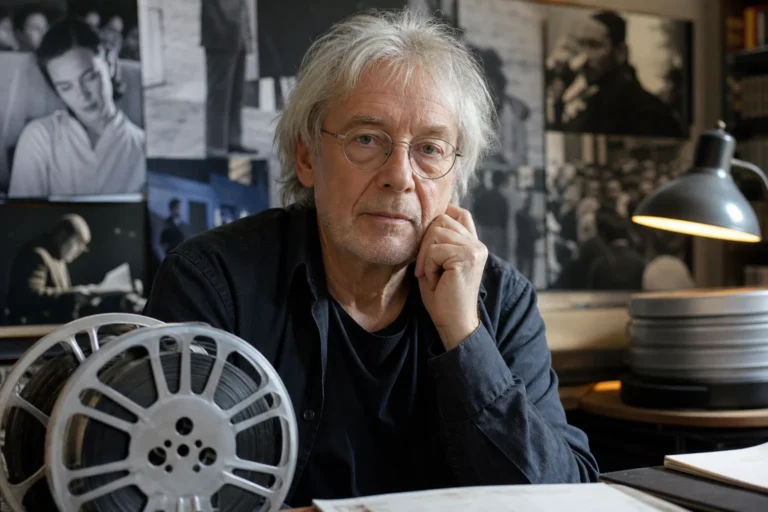
Tony Rayns, the British critic, programmer, translator, and screenwriter whose work helped shape international understanding of Korean and East Asian cinema, has died. Reports said Rayns was found dead at his home on July 7 after an accidental fall. He was widely remembered as a lifelong cinephile who gave decades of attention to films, directors, and national cinemas that were often underrepresented in English-language criticism.
Rayns’s death is being felt across the film world because his influence was not limited to one job title. He wrote criticism, programmed festival sections, translated and advised on subtitles, recorded commentary tracks, wrote books, and acted as a bridge between filmmakers and audiences. For followers of Korean cinema, his name carries particular weight because his advocacy helped place Korean and broader East Asian filmmaking inside serious global conversations long before the current streaming-era boom.
Born in 1948, Rayns began writing for the underground publication Cinema Rising before joining the Monthly Film Bulletin in 1970. He later contributed to outlets including Sight & Sound, Time Out, Cahiers du Cinema, and Film Comment. His writing became known for deep context, historical memory, and a refusal to treat Asian cinema as a passing novelty. He approached filmmakers as artists working within specific industries, languages, politics, and traditions.
A Bridge for Korean Cinema Abroad
One of Rayns’s most visible roles came at the Vancouver International Film Festival, where he ran the Dragons and Tigers competition from 1988 to 2006. The section became an important North American platform for Asian cinema, including work from Korea, Japan, Hong Kong, Taiwan, mainland China, and Southeast Asia. At a time when festival exposure could determine whether a film traveled internationally, a programmer with Rayns’s knowledge could materially affect how new directors were discovered.
That work matters in hindsight because Korean cinema’s global status was not inevitable. Before awards-season triumphs, streaming distribution, and the broad popularity of Korean series and films, many Western viewers encountered Korean cinema through festivals, specialty home-video releases, academic programs, and trusted critics. Rayns operated in exactly those spaces. He helped provide language, context, and access for audiences who were curious but often lacked a map.
His connection to Korean film is also visible in his home-video and commentary work. Rayns recorded commentary and related material for major releases including Bong Joon Ho’s Memories of Murder and Parasite. Those tracks mattered because they extended the life of films beyond theatrical release. For many viewers, a well-researched commentary can turn a first watch into a deeper education about genre, production history, performance, censorship, industry change, and a director’s place within a national cinema.
Rayns also worked across subtitles and translation for films from Hong Kong, Japan, Korea, Taiwan, and Thailand. Subtitling is sometimes treated as invisible labor, but it is central to how international cinema travels. A careless translation can flatten tone and character; a thoughtful one can preserve rhythm, implication, and cultural specificity. Rayns’s long involvement in that field reflected the practical side of his advocacy: he did not only praise films from afar, he helped them become legible to new audiences.
Why His Work Still Resonates
The tributes following his death point to a figure who was valued by filmmakers as well as critics. Chinese director Jia Zhangke publicly remembered how much he had relied on Rayns for subtitles, guidance, and conversation over nearly three decades. That kind of relationship shows why Rayns’s legacy is larger than a list of publications. He was part of the connective tissue that allowed films to cross borders with more care.
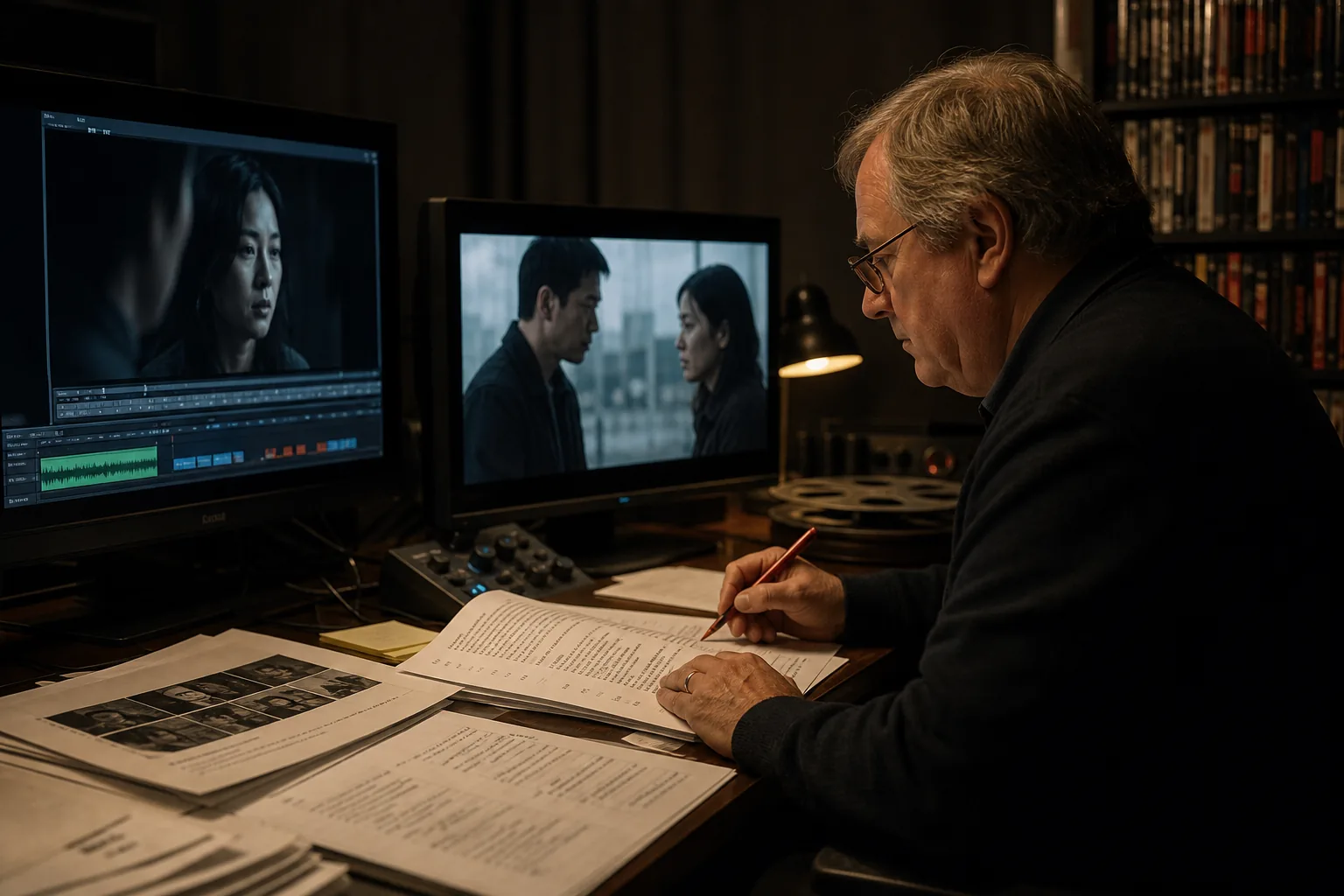
For Korean cinema watchers, his passing is a reminder of how international recognition is built by many different kinds of labor. Directors, actors, producers, and distributors are the public face of a film’s journey. But critics, festival programmers, translators, archivists, and commentary writers often determine whether a film is understood, preserved, and recommended to the next viewer. Rayns worked in several of those roles at once.
His career also challenges a simple idea of cultural export. Korean cinema did not become globally respected only because audiences suddenly discovered it. It reached those audiences through years of patient mediation: festival slots, contextual essays, DVD and Blu-ray editions, subtitled prints, retrospectives, and conversations led by people who took the work seriously before it was fashionable. Rayns was one of those people, and his influence can be felt in the way many English-speaking viewers learned to talk about Asian film with specificity.
As Korean entertainment continues to expand through theatrical releases, streaming hits, and global fandom, Rayns’s death lands at a moment when the infrastructure of appreciation is still important. Algorithms can recommend a title, but they cannot replace informed criticism or historical perspective. Rayns’s career showed that discovery is not just about finding films. It is about learning how to see them, where they came from, and why they matter.
For that reason, his legacy will remain tied to the international story of Korean cinema. He helped open doors, explain contexts, and preserve conversations that made the films travel farther. The next generation of critics and programmers inherits both the archive he helped build and the responsibility to keep widening the frame.
What Readers Are Discussing
- “I knew his voice from commentaries before I even knew his full career.”
- “It’s easy to forget how much festival programmers helped Korean cinema travel.”
- “This makes me want to rewatch Memories of Murder with the commentary on.”
- “Critics like this really do change how whole generations discover films.”



Comments