
Na Hong-jin’s Hope Sets July 15 Korean Release After Cannes Buzz

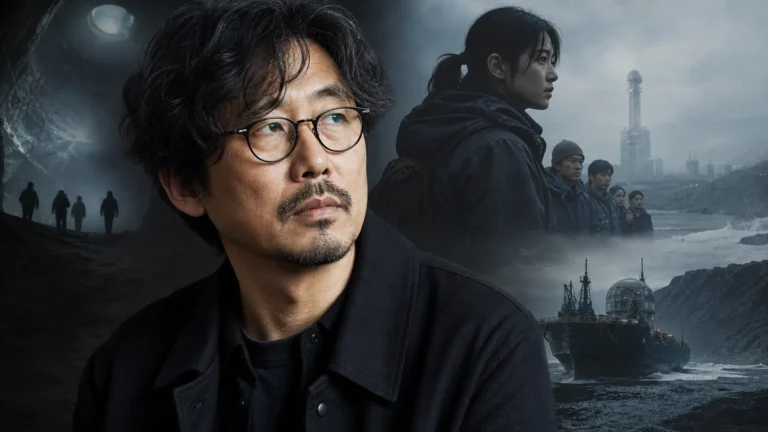
Na Hong-jin’s long-awaited new film Hope has set a July 15 theatrical release in South Korea, turning one of the year’s most closely watched Korean movie projects into a major summer box-office test. The film arrives after a high-profile world premiere at the 79th Cannes Film Festival, where it was invited to the main competition and quickly became a talking point for its scale, genre shifts, and intense energy.
The release is notable not only because of the Cannes attention, but because it marks Na’s first feature in roughly a decade. The director built an international reputation with The Chaser, The Yellow Sea, and The Wailing, films known for moral uncertainty, escalating dread, and a refusal to settle into predictable genre lanes. With Hope, he appears to be returning with an even larger canvas.
A Remote Village, A Strange Threat
According to the film’s released description, Hope begins in the fictional harbor village of Hopo, located near the Demilitarized Zone. The story follows Beom-seok, played by Hwang Jung-min, a local branch office chief who hears from young villagers that a tiger has appeared nearby. What first sounds like an alarming but earthly incident soon expands into a situation that puts the entire village on edge.
The film is described as moving from a hunt for an unknown force attacking a rural community into a broader struggle for survival, then into a story that shifts perspective and grows beyond its opening premise. That structure fits Na’s established style: he often starts with a recognizable thriller setup, then lets dread, absurdity, violence, and uncertainty pull the audience into stranger territory.
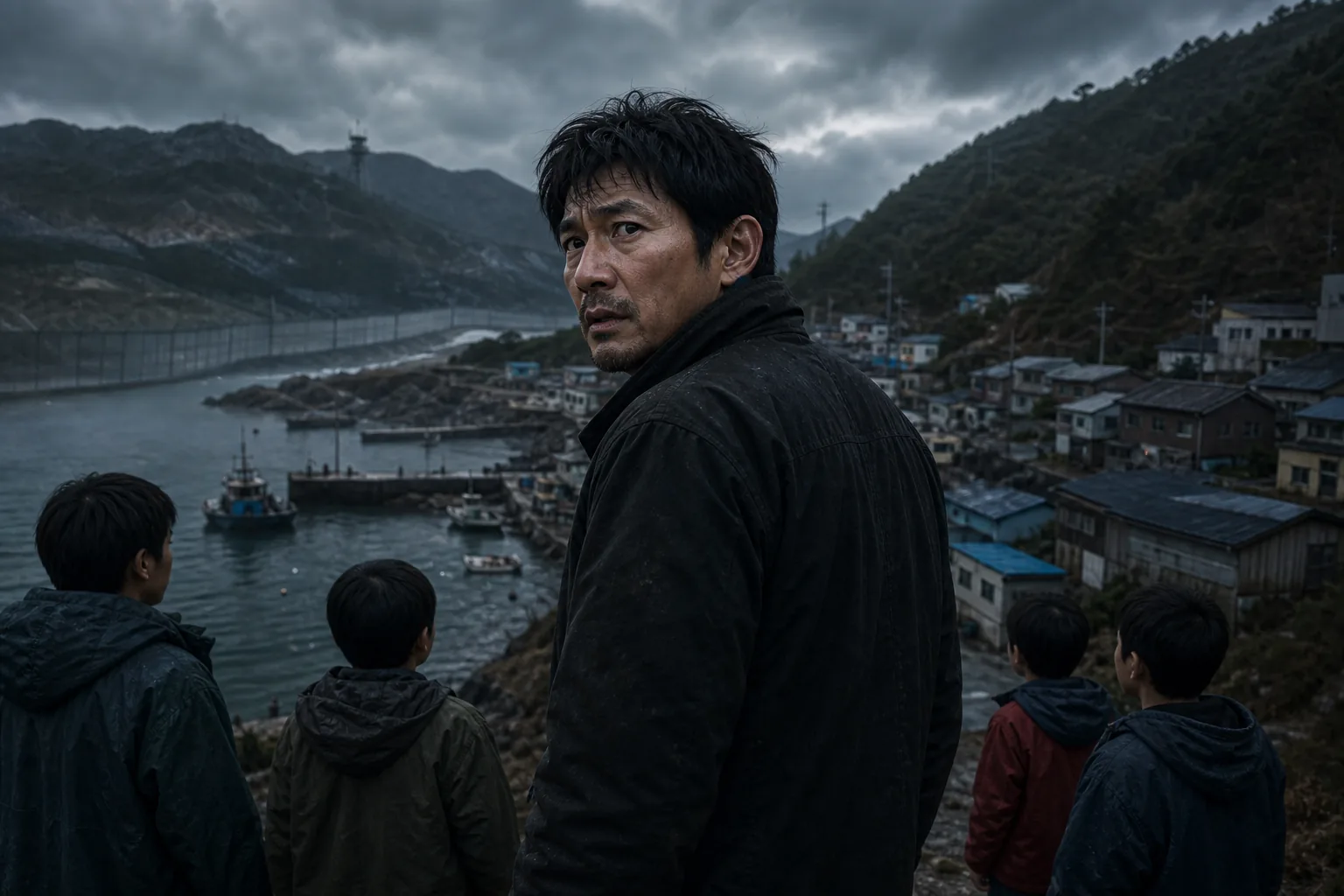
The cast adds to the size of the project. Alongside Hwang Jung-min, the film features Jo In-sung, Jung Ho-yeon, Taylor Russell, Cameron Britton, Alicia Vikander, and Michael Fassbender. That mix of Korean and international names has helped position Hope as both a domestic event film and a global Korean cinema title.
Why Cannes Made The Film A Bigger Story
Hope had already drawn industry interest before its Korean release date was confirmed, but its Cannes competition slot raised expectations further. Na had previously taken each of his directed features to Cannes in different sections, but Hope marked his first entry in the festival’s main competition. For a director whose work has long circulated among international genre fans, the placement signaled a new level of institutional attention.
Early overseas responses also framed the film as unusually kinetic and ambitious. Reports from the world premiere emphasized its sustained momentum, unpredictable rhythm, and bold handling of spectacle. At the same time, the film’s extreme tonal mix may make it one of the more divisive Korean releases of the year, especially for audiences expecting a straightforward creature thriller.
Na’s own comments suggest that Hope is not designed to be simple. In a Korean press interview after the Cannes screening, he described the film as emerging from a sense of ominousness in the world, including fears around war, violence, and how tragedy grows from smaller conflicts. He also said he saw the film as unusually kind in one respect: it does not reduce conflict to a single antagonist, because every side has its own situation and point of view.
A Large-Scale Film With A Human Center
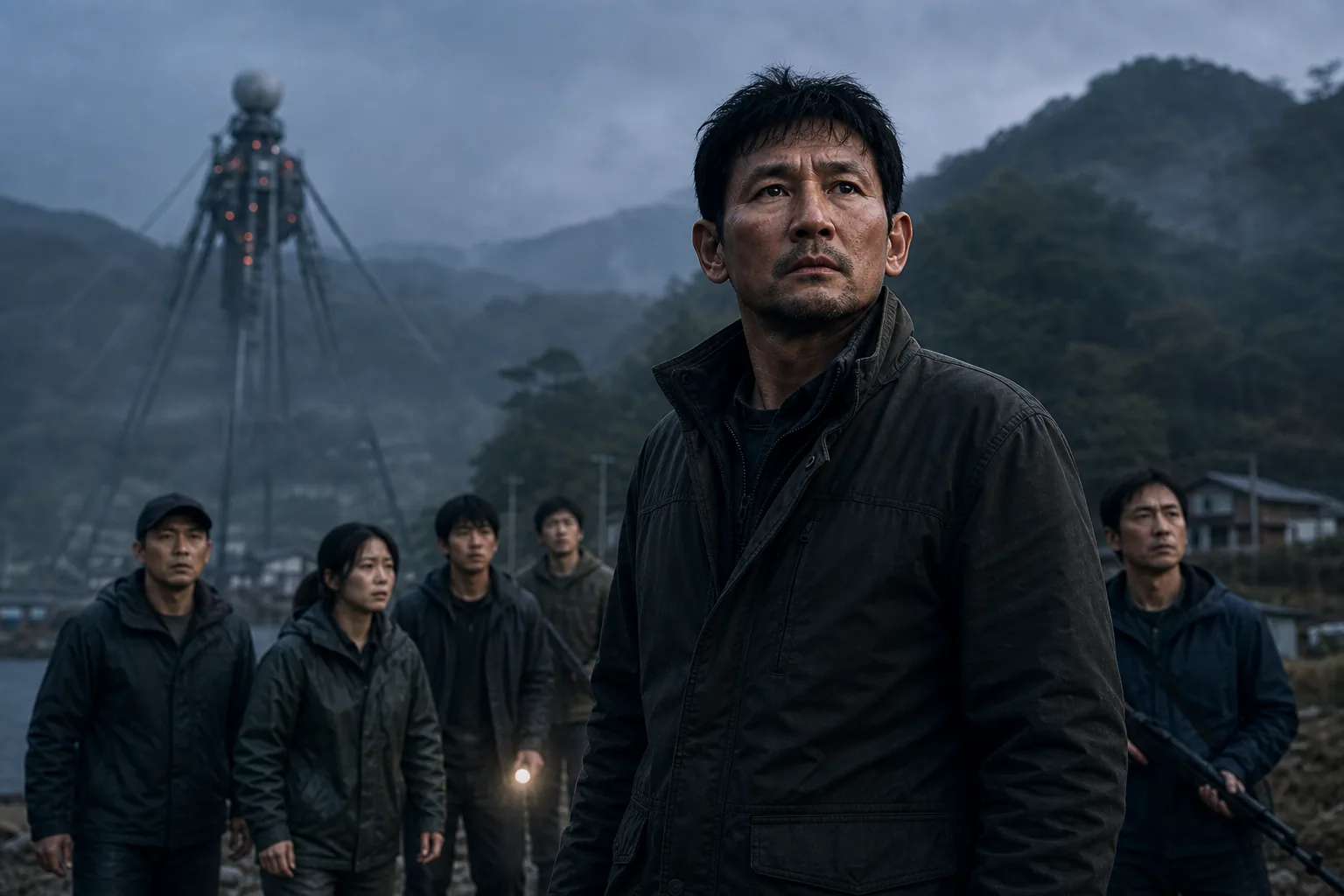
That idea gives the film’s title an interesting tension. Hope appears to be packed with pursuit, panic, and destructive force, yet Na has spoken about it as a story concerned with perspective rather than simple blame. The setting near the DMZ also gives the film a charged backdrop, even though the director has said he used the location mainly to create a dramatic gap between a small, isolated village and a story that expands toward something much larger.
The production’s scale is already being reflected in its market performance. The film has reportedly been pre-sold to more than 200 countries and territories, recovering about half of its net production cost before domestic release. For Korean cinema, that kind of international footprint matters: it shows how genre filmmaking, festival prestige, and star casting can work together before a film even reaches local theaters.
Another point to watch is whether the version Korean audiences see in July differs from the Cannes cut. Na reportedly continued post-production after the festival screening, saying he still noticed parts he considered unfinished or unsatisfying. That detail will only increase curiosity among film fans who track festival versions, theatrical versions, and the way ambitious Korean releases evolve before opening day.
For now, Hope is entering the summer season with rare momentum: a major Korean auteur returning after a long gap, a star-heavy cast, a Cannes competition profile, and a premise that blends rural tension with science-fiction spectacle. Whether it becomes a broad commercial hit or a passionate debate piece, it is already positioned as one of the key Korean films to watch this year.



Join the Conversation
Log in to share your thoughts and join the conversation with other fans.