
K-Pop Idols Tout Humble Album Numbers as “Something to Be Proud Of,” Signaling a Shift in How Fan Success Is Measured


K-pop has long treated physical album sales as a scoreboard—one that can determine visibility, leverage with platforms and labels, and even how fans narrate an artist’s momentum. But in the last day, three entertainment stories from South Korea have converged on a different theme: what “success” means when the mainstream metrics look small, the cultural boundaries are questioned, and audiences root for connection over charts.
One of the most striking came from solo artist HELLO GLOOM (Ungjae), whose first-day physical album sales of just nine copies—reported via the Hanteo Chart—sparked conversation online. In a separate entertainment development, a JYP Entertainment trainee was confirmed to appear on Stand Bi Me, South Korea’s first bisexual dating reality show, adding fuel to a broader cultural debate around representation and romance. And in television, the finale of The Legend of Kitchen Soldier leaned into an emotionally resonant idea of loyalty and “family” that ultimately reshaped how viewers interpreted stakes that were never purely about winning.
When album sales hit nine: HELLO GLOOM chooses visibility over defensiveness
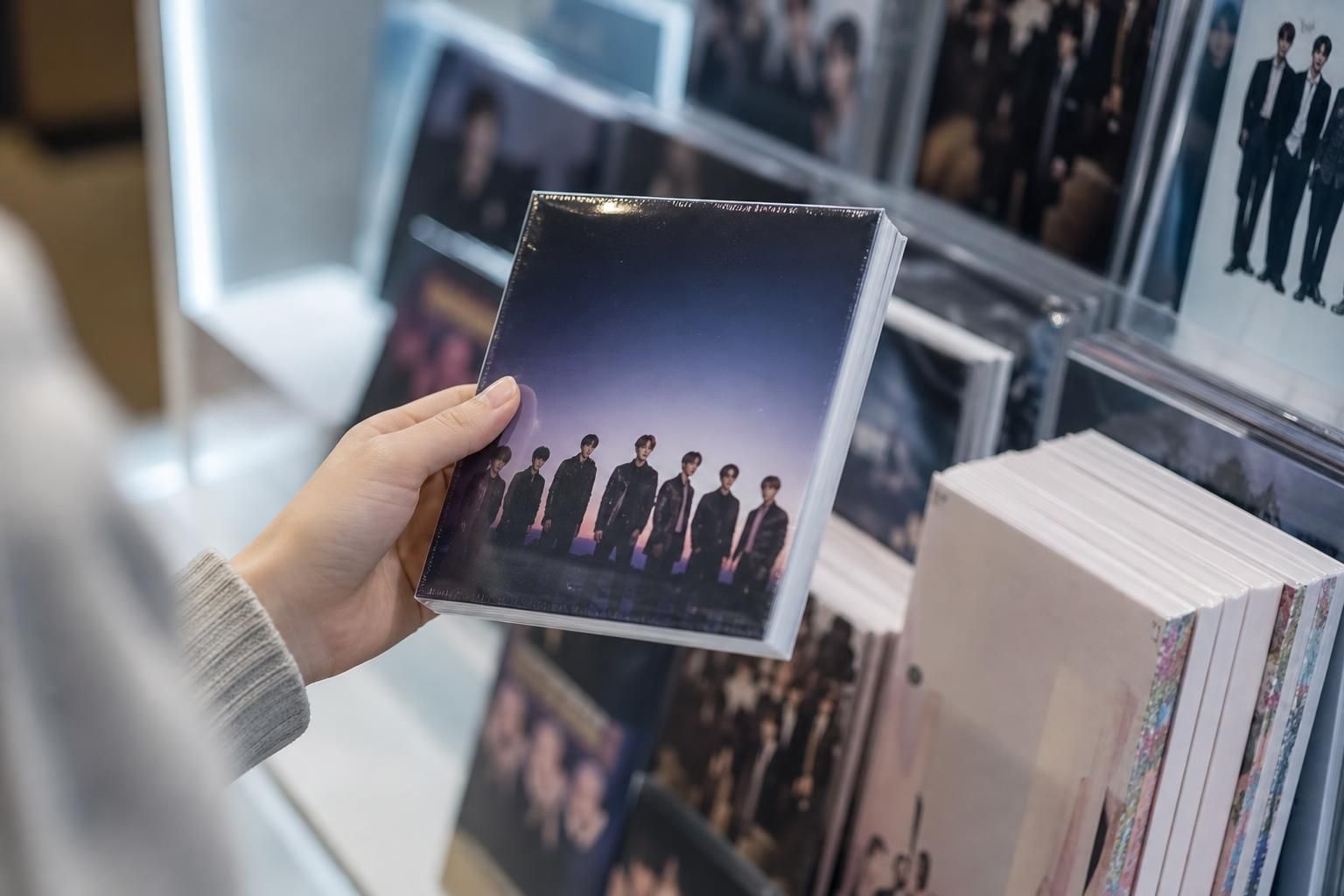
According to Koreaboo, HELLO GLOOM’s fourth single album, Mamacita, released its physical version with first-day sales of nine copies as reflected on Hanteo. The figure drew immediate attention because K-pop marketing often assumes that physical sales should rise quickly—especially in early days—then feed promotional cycles such as music show performances, fan-sign events, and chart visibility.
What made the situation especially newsworthy was the artist’s response. The report states that Ungjae reacted to the low number not with anger or denial, but with a tone of direct gratitude. In posts shared on social media, he reportedly thanked fans for purchasing his album, said he was “not ashamed” of the results, and emphasized that fans help make the music and videos possible. He framed pride as a function of effort and fandom, regardless of the exact quantity sold.
In an industry where low sales can quickly be interpreted—sometimes unfairly—as a signal of waning popularity, the artist’s calm, even playful tone appears to challenge a prevailing narrative. Instead of treating nine sales as a reputational crisis, he positioned the moment as a starting point: he would be proud, fans should keep watching, and—he implied—the long game matters more than the immediate count.

Why “nine copies” became a spotlight moment in K-pop fan culture
K-pop’s physical album economy is not simply about revenue; it’s also about community rituals. Fans often coordinate purchases across multiple versions and prioritize official releases to show support. Against that backdrop, a nine-copy day is an anomaly—big enough for chart accounts and fan communities to amplify, yet small enough that it risks becoming a punchline.
But the response story suggests that social media has become a second chart system, one where attitude, accessibility, and emotional transparency can reshape how an episode is received. As Koreaboo reported, the chart account that circulated the data also praised the release, and the artist’s follow-up messages reportedly reframed the number as irrelevant to his identity as a performer. In practice, that means the conversation shifts from “how far behind is the artist?” to “how authentic is the artist about the reality of building a career?”
That shift is important: when the public discussion centers on pride and gratitude, it becomes harder to reduce the artist to a single metric. It also encourages fans to engage not only as consumers but as co-creators of the narrative around a release.
A dating show that “goes beyond gender” underscores the same appetite for boundary-breaking
Meanwhile, Koreaboo also reported that former Make Mate 1 contestant Kim Seungho—described as a K-pop trainee who previously trained under JYP Entertainment—was confirmed as a cast member on Stand Bi Me. The show, a Wavve original premiering this month, bills itself as a dating reality format that “goes beyond gender,” with cast members placing no boundaries on who they might develop feelings for.
While that story belongs to unscripted television rather than the album-sales ecosystem, it resonates with the same broader cultural dynamic: audiences are increasingly responsive to formats that challenge conventional categories. In both contexts, the spotlight is on how public figures navigate identity—whether that identity is romantic and social, or artistic and economic—without being trapped by pre-set expectations.
For a trainee tied to a major entertainment company, participating in a bisexual dating show also signals a strategic (and risky) expansion of personal and public brand. It suggests that mainstream entertainment platforms are testing how far cultural experimentation can go, and whether viewers will reward candor and novelty with attention.
On TV, “loyalty” beats “competition” as Kitchen Soldier lands its emotional landing
The third thread comes from The Legend of Kitchen Soldier. In Soompi’s recap of the finale, the show situates the outpost’s fate within a larger closure order—making survival feel tied to decisions by senior officers and command structures. But rather than treating resolution as a straight line to victory, the finale emphasizes how soldiers rally for one another, sharing memories and treating the outpost like family.
Key moments highlighted by Soompi include Sung Jae organizing participation in a military cooking competition to try to save Gangrim Outpost, with the preparation turning into a celebration of camaraderie rather than just a contest strategy. Even the result—where Gangrim and the ace chef tie as winners—does not resolve everything. Instead, the plot twist forces Sung Jae to confront the reality that saving the outpost may depend on more than a single “win.”
In other words, the show’s emotional logic mirrors the album-sales narrative: outcomes are not always captured by a scoreboard. Effort, loyalty, and the relationships built along the way can become the actual payoff.
What to watch next: careers measured by more than numbers
Taken together, these stories suggest an entertainment landscape where traditional metrics—album counts, participation in established formats, and competition outcomes—are no longer the only drivers of meaning. Artists and entertainers are increasingly shaping the story themselves: responding directly to low numbers with pride, choosing public projects that test social norms, and crafting narratives where connection matters as much as results.
For K-pop, the immediate implication is that fans may place greater weight on transparency and attitude, not only on early-day sales. For reality television, the momentum to normalize broader representations could influence casting decisions and future show concepts. And for scripted dramas, the success of loyalty-forward finales may reinforce demand for character-driven stakes over purely competitive arcs.
In the short term, viewers will look for whether these boundary-pushing moments translate into sustained support—on charts, on streaming platforms, and in public sentiment. In the longer term, the bigger question is whether the industry’s definition of “success” is quietly broadening from measurable dominance to demonstrable authenticity.


Join the Conversation
Log in to share your thoughts and join the conversation with other fans.