
Rookie K-Pop Group AND2BLE’s “Penlight Urine Sample” Design Sparks Global Backlash—and Viral Attention
Lead: A penlight design turns into an accidental culture-war flashpoint
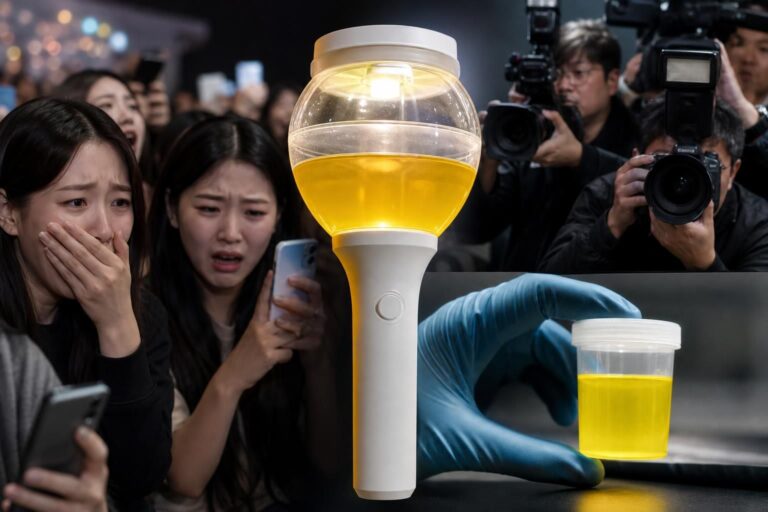
A rookie K-pop boy group’s latest merchandise launch has sparked online controversy after fans compared the group’s official fan penlight to a urine-sample container. According to Koreaboo, the AND2BLE penlight—featuring a vivid bright yellow color—went viral in multiple languages after a concert attendee shared photos of the product on social media, prompting thousands of reactions worldwide.
The product detail that set off the storm
The controversy centers on the penlight’s appearance and color. In posts circulating on X (formerly Twitter) and other platforms, fans argued that the tube-like shape and yellow tint closely resemble urine-test containers. One viral image post drew immediate attention with remarks such as “it looks like a piss sample,” while many others repeated similar comparisons across Korean, Japanese, and other language communities.
While some viewers framed the reaction as dark humor—sharing memes and “urine test” jokes—others treated the resemblance as more than a casual mistake, arguing the design choice is inappropriate for mainstream fan culture. The fact that the group is still early in its career amplified the scrutiny, as rookie acts tend to receive intense attention for every rollout, from stage visuals to official goods.
Why merch matters more than it should
In K-pop, merch items like penlights are more than souvenirs. They function as part of the concert experience, a synchronized visual tool that helps fans coordinate chants and create “light sticks” moments on cue. Because penlights are used publicly and photographed constantly—both by fans at events and by official content—design details can become powerful symbols, intentionally or not.
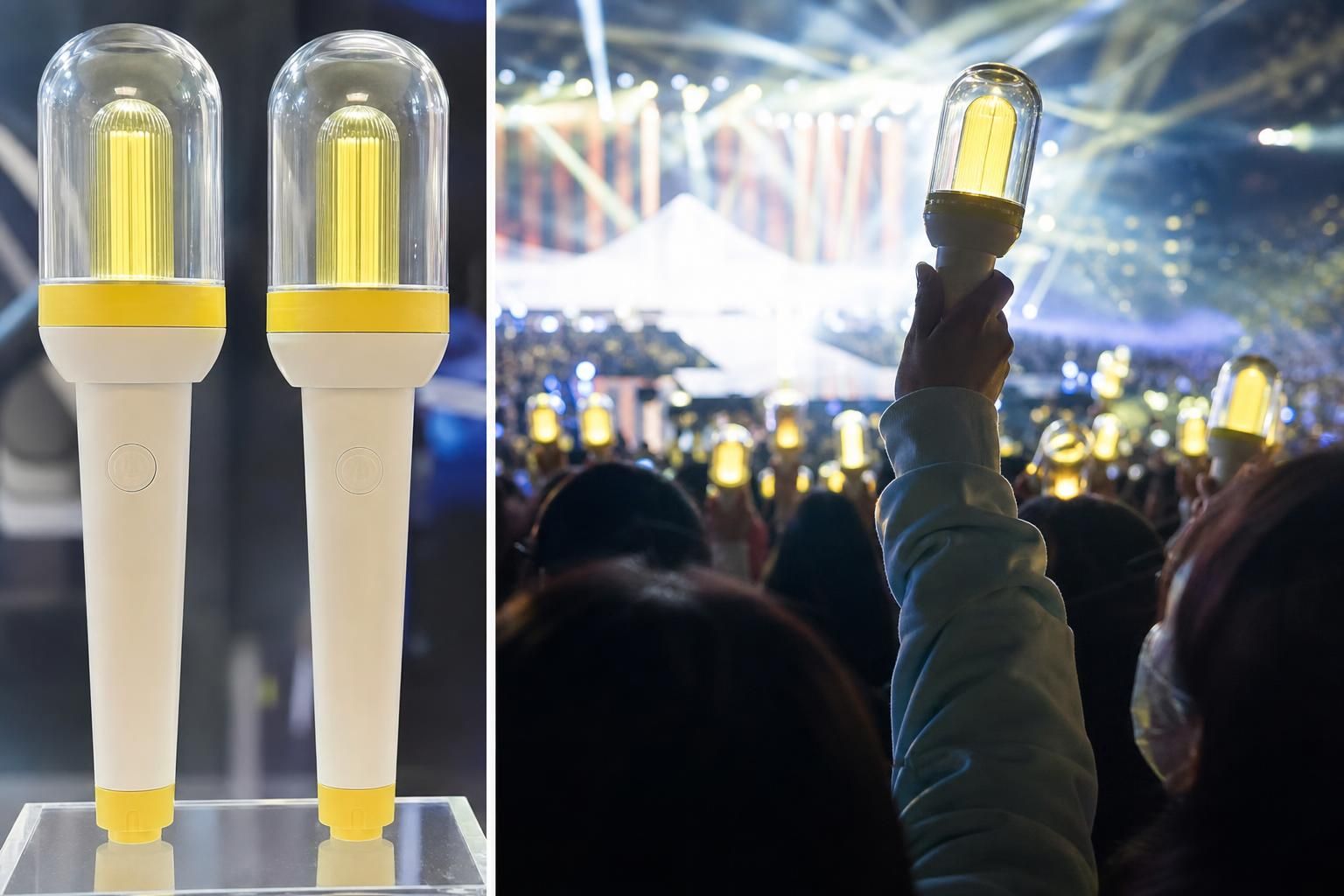
Here, the design has become an inadvertent meme. Once the internet makes a connection, it can be extremely difficult to undo, even if the original product was meant to be bold, energetic, or color-coordinated with the group’s branding.
Two competing narratives: “viral marketing” vs. reputational harm
Online, the discourse has split into two dominant narratives. One side argues that the controversy is effectively free publicity: a rookie group achieving worldwide trending status is something most new acts struggle to earn, and the scale of attention can translate into recognition, new followers, and engagement.
The other side focuses on reputational risk and audience comfort. For some fans, the comparisons cross a line from quirky to offensive, especially when the merchandise is used by teenagers and young adults in highly public settings. Even if the intent was never to evoke bodily imagery, the association may linger—potentially affecting future perception of the group’s brand and merch quality control.
Whether either narrative dominates may depend on what happens next. Fans may forgive a design flaw if a correction follows quickly; alternatively, outrage can expand if the company appears dismissive, slow, or defensive.
What comes next for AND2BLE and the merch line
Koreaboo reports that the bigger question now is whether the company will redesign the penlight or retire the item altogether. That decision will likely be influenced by several factors, including fan feedback volume, social media sentiment trends, and the logistical difficulty of changing a production run.
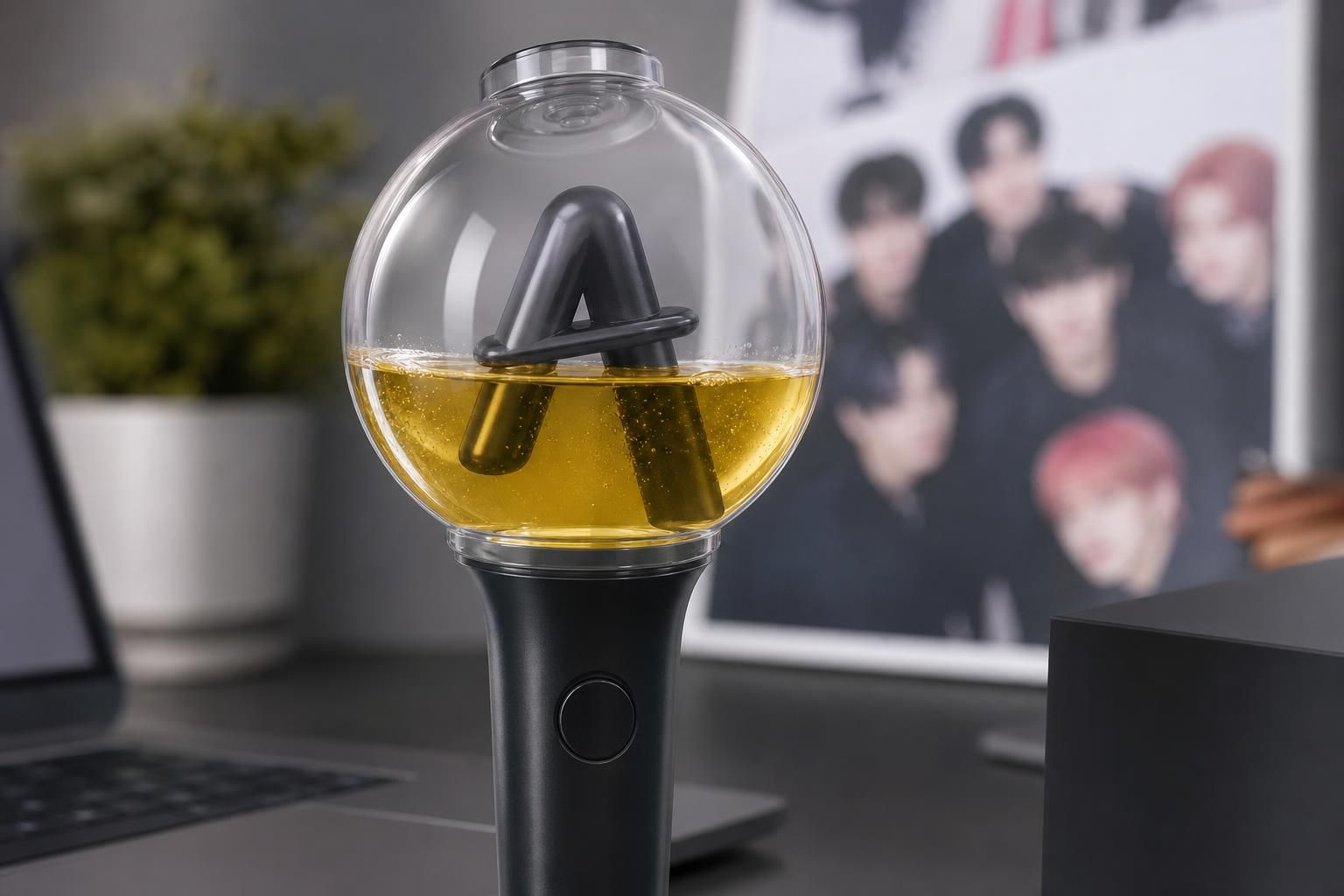
In K-pop, brands have sometimes responded to backlash by releasing updated versions, adding clarifying product imagery, or adjusting colors and packaging to reduce misinterpretation. However, once a product is widely photographed and meme-ified, some damage can be difficult to fully reverse.
For AND2BLE, the immediate next test will be how official channels—label statements, product listings, or event footage—address the issue. Fans will also be watching whether future merch drops avoid similar visual “shortcuts” that could trigger another cycle of misreading.
Broader lesson: design scrutiny is now global in real time
The incident underscores how quickly aesthetic choices can be reframed once they reach the open internet. A single photo, posted from an event, can travel across platforms faster than official explanations—turning design into a collective interpretation exercise where the loudest jokes may drown out the original intent.
For the K-pop ecosystem, it’s a reminder that merch design teams increasingly need to think beyond domestic branding logic. In a global fandom environment, even a color and shape combination can be recontextualized instantly—especially when the item is meant to be seen, waved, and photographed under concert lights.
Join the Conversation
Log in to share your thoughts and join the conversation with other fans.