
K-pop Star Episode: “13 Years Together” Highlights the Quiet Power of Long-Running Celebrity Partnerships


A reported “13-year relationship” involving Korean actor Gu Kyo-hwan and director Lee Ok-seop has renewed public attention on how long-term partnerships within the Korean entertainment industry are handled—both romantically and professionally. The news circulated through Korean entertainment reporting that emphasized the couple’s enduring connection while also noting that both individuals continue building careers in parallel, highlighting how some celebrity couples navigate the spotlight without making it their main storyline.
While today’s headlines in the wider digest focused heavily on high-profile personal milestones and live set visits, this story stands out for a different reason: it reflects a rare kind of visibility. Instead of a single event—such as a wedding announcement or a new project—this narrative centers on sustained companionship over more than a decade, with the implication that stability can be part of a celebrity’s brand, even when the couple is not constantly staging public moments.
A long relationship, reframed for public interest
According to the reporting that surfaced in the last day, Gu Kyo-hwan and Lee Ok-seop have been together for roughly 13 years. In celebrity culture—where relationships are often packaged as “breaking news” or short cycles of speculation—this timeframe challenges the prevailing rhythm of rapid updates and sensational pivots. The same coverage suggests that the couple’s approach has been less about frequent public declarations and more about maintaining continuity while staying active in their respective creative fields.
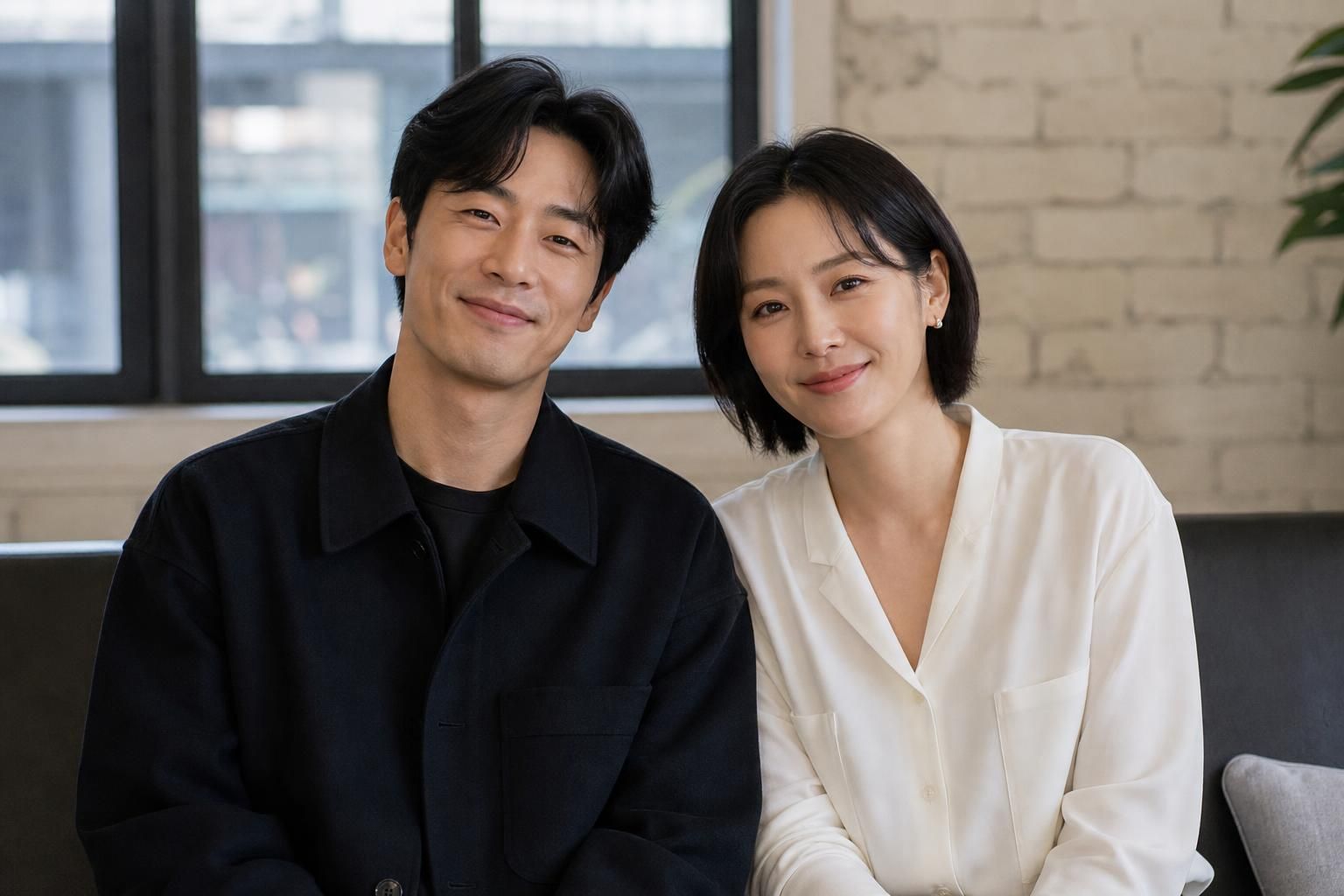
That framing matters, because viewers and fans typically interpret celebrity relationships as either marketing assets or cautionary tales. A long-running relationship complicates both stereotypes. It can signal emotional durability, but it also raises questions about how privacy is negotiated when careers keep placing individuals in public spaces.
Careers in motion: love and professional momentum
A key point in the coverage is that both partners are positioned as professionals who remain active—rather than stepping back from work due to their personal lives. In Korea’s entertainment ecosystem, where public images are closely monitored and audience attention is a scarce resource, continuing to work while sustaining a relationship can be difficult. Scheduling, media attention, and reputation management all exert pressure, even for couples who choose to keep details minimal.
In that context, the story’s emphasis on “love and career” suggests a broader trend: some celebrities are increasingly treated by audiences not as isolated individuals, but as ongoing narratives built from multiple arcs—projects, awards, and personal continuity included.
Why this narrative is resonating now
Today’s entertainment digest also included other headlines—ranging from public appearances by performers to more plot-like coverage of television storylines. Against that backdrop, the Gu Kyo-hwan–Lee Ok-seop report works like a counterpoint. It offers a “human interest” angle grounded in time: rather than reacting to a single headline moment, fans are being asked to consider longevity and how it shapes the way audiences read sincerity.
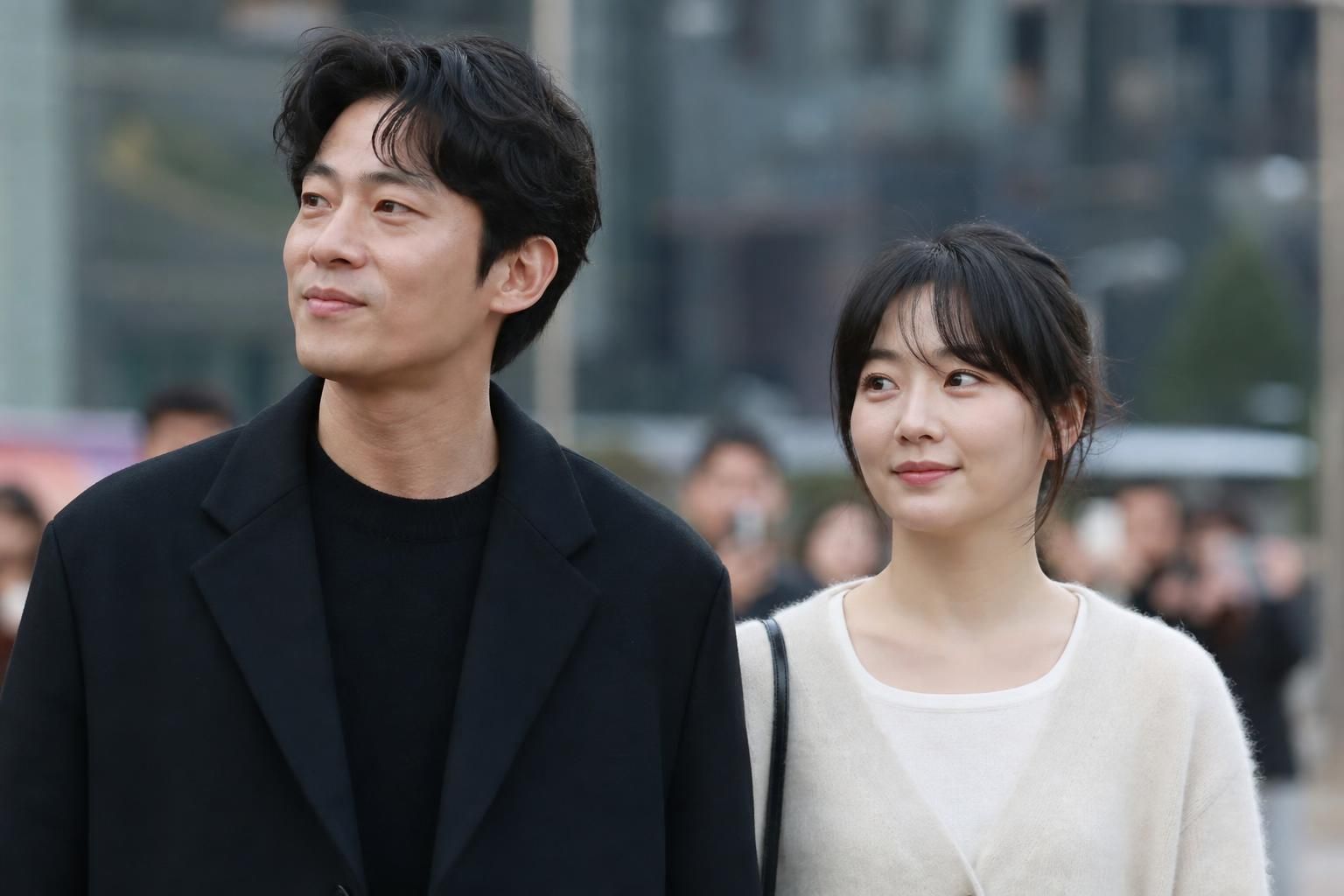
Additionally, long-term celebrity relationships can become symbolic for audiences who value stability more than spectacle. In online spaces, discussions often broaden beyond the couple themselves to touch on general expectations: Do public couples last? How do they balance fame with intimacy? And how much privacy is realistic for people whose lives are frequently tracked?
What fans will watch next
Because this type of coverage is often fueled by visibility events—appearances, interviews, and media circulation—future updates may depend on whether Gu Kyo-hwan and Lee Ok-seop show up in the same context publicly again. If their relationship remains a low-frequency headline, the story may fade quickly; if they are photographed together at events or referenced in new interviews, it could regain traction.
For now, the most notable implication is cultural rather than strictly personal. The renewed attention suggests that audiences are not only interested in new developments, but also in consistency—especially when it comes from public figures who continue to work at a high level. In a fast-moving celebrity market, a relationship that endures for over a decade can function as its own kind of news.
(Note: The provided digest included the relationship headline, but the available fetch attempts for the article sources returned no usable content, so this write-up is based only on the headline-level information in the digest rather than full article text.)


Join the Conversation
Log in to share your thoughts and join the conversation with other fans.