
Resurfaced NCT Livestream Clip Draws New Debate Around Mark Lee and Ten

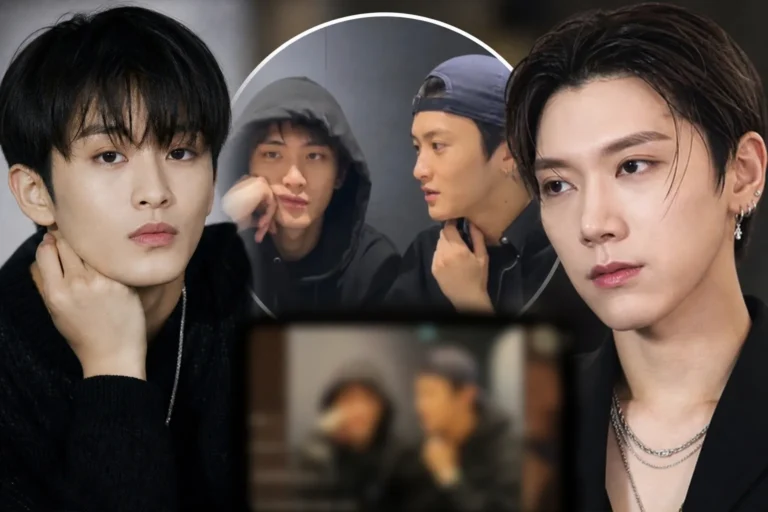
A resurfaced NCT livestream clip has become the latest flashpoint in an already active online debate around Mark Lee, as fans revisit a past exchange involving fellow member Ten and argue over what the moment should mean today.
The renewed discussion centers on a 2018 livestream featuring Mark, Ten, Johnny, and Jaehyun, a lineup fans often associated with NCT’s English-speaking members. In the clip, Mark speaks in an exaggerated English style that some viewers have described as imitating Black speech patterns. Ten responds by questioning the way Mark is talking and briefly mimicking him, a reaction that has now been recirculated by fans who see the moment as pointed.
The clip’s return comes during a period of heightened scrutiny of Mark’s public image. According to Koreaboo, recent criticism around the idol has included backlash over a Confederate flag-related controversy and other comments or actions that fans have debated online. Against that backdrop, the older livestream moment has been pulled back into circulation as some viewers attempt to connect past behavior with present concerns.
Why The Old Clip Returned
For some fans, Ten’s reaction in the livestream is being interpreted as an early sign that Mark’s manner of speaking was uncomfortable or worth challenging. These viewers argue that the moment feels different when viewed alongside the more recent criticism, because it appears to show a member noticing and responding to something fans now discuss more openly.
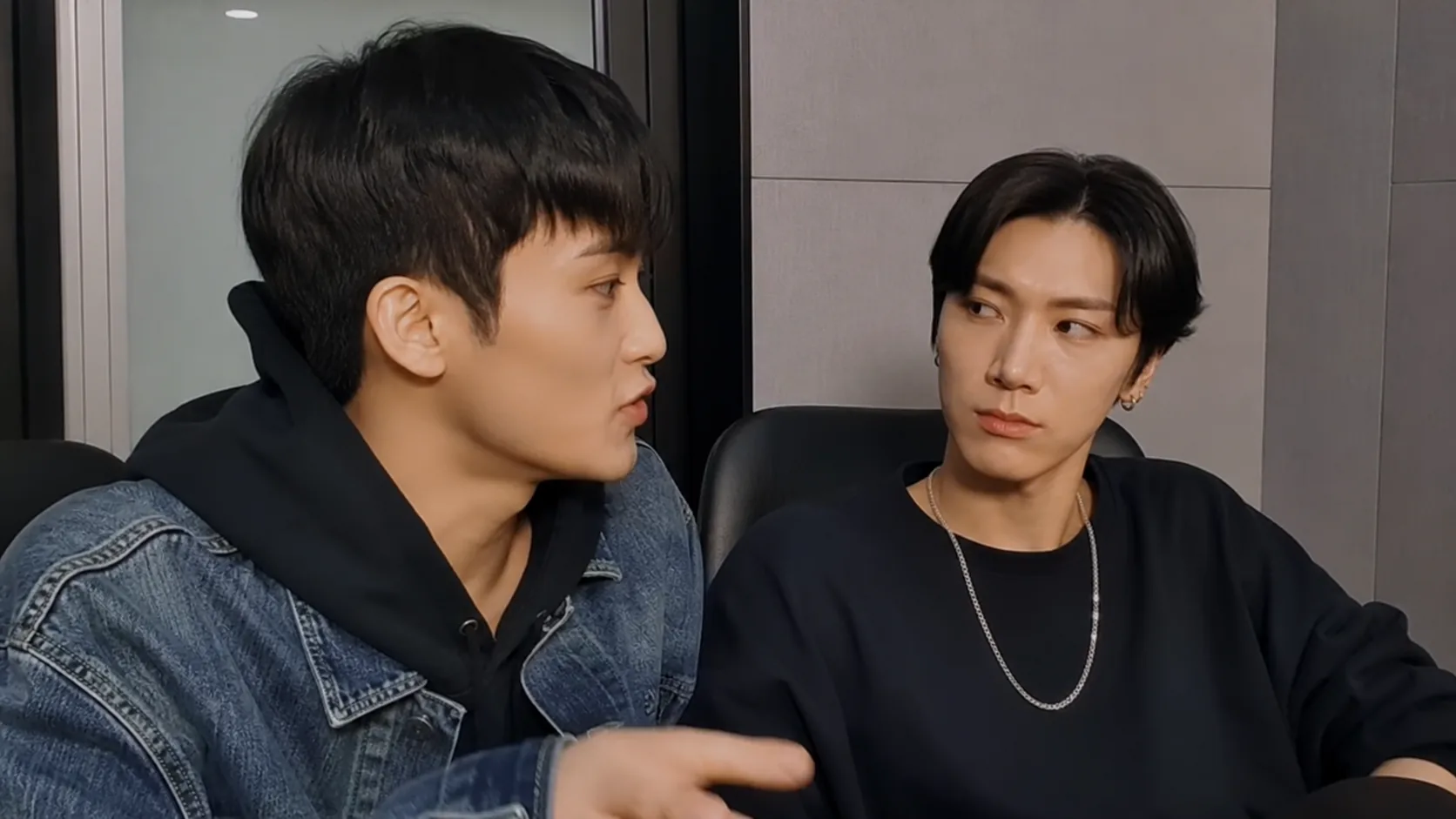
That reading has helped the clip spread quickly, but it has also raised questions about how much weight should be placed on a short exchange from years ago. Livestreams often capture casual, improvised moments, and fandom debates can transform brief interactions into larger claims about character, intent, or pattern. The current conversation shows how archived idol content can become newly consequential when public context changes.
There is also a language and cultural layer to the debate. International K-pop audiences are increasingly attentive to how idols use accents, slang, and performance styles associated with specific communities. When fans describe a speech pattern as a blaccent, they are usually referring to an imitation of African American English or Black cultural expression. For critics, that kind of imitation can feel dismissive or appropriative, especially when it is used for humor or to appear cool.
Fans Split Over Relevance
Not everyone agrees that the resurfaced clip helps the current discussion. Some fans have pushed back, saying the debate has drifted away from the specific issues that sparked the latest criticism of Mark. They argue that searching through old footage to prove a broader point can blur the original concern and encourage pile-ons rather than focused accountability.
That divide reflects a familiar pattern in K-pop fandom. When an idol becomes the subject of controversy, older videos, livestreams, jokes, and fan interactions often reappear within hours. Supporters may see those clips as lacking context, while critics may see them as part of a longer record. The same piece of footage can therefore function as evidence, misunderstanding, or distraction depending on the viewer’s starting point.

Ten’s role in the discussion is also complicated. The resurfaced clip has led some fans to praise him for appearing to question Mark in the moment. Others caution that assigning a firm motive to Ten from a short livestream exchange risks overstating what can be known. The source article notes that the clip has triggered mixed reactions rather than a single consensus, which remains the clearest takeaway from the renewed attention.
What The Debate Shows
The latest reaction is less about one isolated video than about how K-pop fandom now handles old material in real time. Idol content is extensively archived, clipped, translated, and reposted, which means moments from nearly a decade ago can rapidly reenter public conversation when a related controversy emerges. That creates a powerful accountability tool, but it also increases the risk of context collapse.
For Mark, the debate adds another layer to a turbulent news cycle. For NCT fans, it has reopened questions about how members’ past interactions are interpreted after years of changing social standards and shifting public expectations. And for the wider K-pop audience, it is another example of how quickly online communities can turn a brief livestream moment into a larger conversation about culture, accountability, and the limits of retrospective judgment.
As of now, the discussion remains primarily fan-driven, with no new formal statement cited in the source report. The controversy’s next phase will likely depend on whether fans keep connecting the old clip to current criticism or move the conversation back toward the more recent incidents that first placed Mark under scrutiny.


Join the Conversation
Log in to share your thoughts and join the conversation with other fans.