

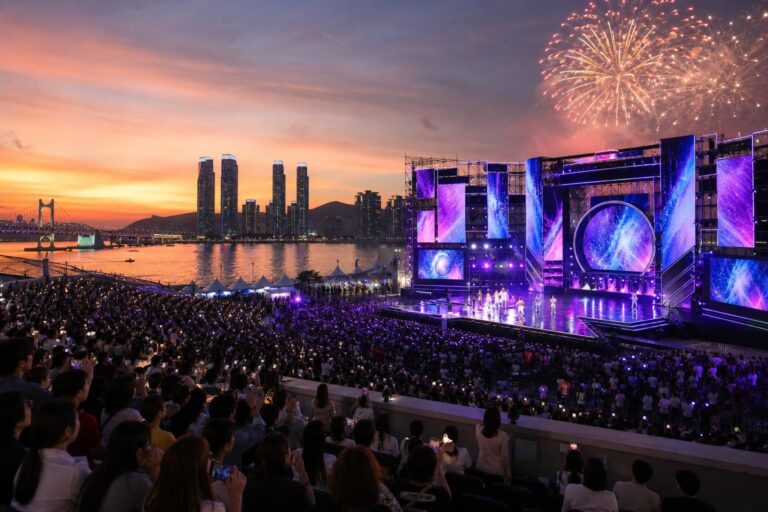
Busan is set to host an expanded celebration of Korean culture with the 2026 Busan One Asia Festival (BOF) with NOL, spotlighting the country’s music, entertainment, and cultural industries on a larger global stage. According to coverage in Korean-language media, the festival marks the 10th edition of BOF and is framed as a signature platform for K-culture to connect with international audiences, reflecting the rising momentum of the Korean wave beyond music alone.
A decade of BOF—and a push to scale further
The upcoming 2026 BOF is being positioned as a “K-culture feast” that goes beyond a single genre or performer, aligning with BOF’s long-standing goal of showcasing a broad range of Korean cultural content. While details of the full lineup weren’t fully available in the digest coverage, the emphasis on the festival’s 10th anniversary signals an intentional effort to broaden participation and elevate its visibility at home and abroad.
In recent years, BOF has increasingly acted as a bridge between Korea’s entertainment ecosystem and international markets—supporting everything from large-scale performances to cultural programs that help foreign visitors understand the broader context of Korean pop culture. The 2026 edition’s “with NOL” branding also suggests a partnership model aimed at expanding festival reach and strengthening international programming.
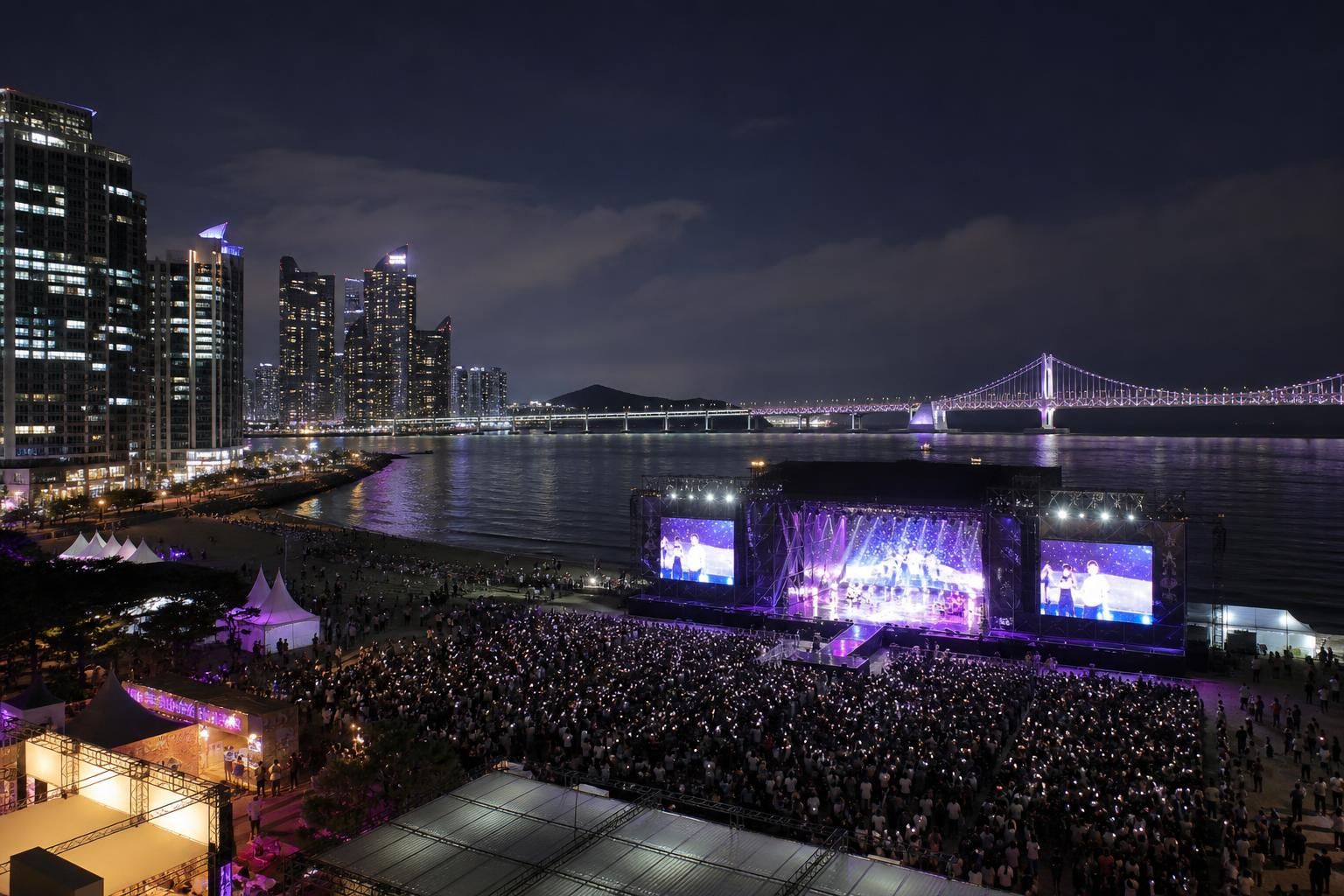
Why Busan matters to K-culture’s global footprint
Busan’s role as a cultural hub has grown steadily, particularly as South Korea’s entertainment industries scale their international presence. The city has hosted high-profile events tied to media, film, and music, and it has developed an infrastructure and audience base that can support large, multi-day gatherings. A major festival like BOF also benefits from Busan’s coastal appeal—helping attract tourists while creating a destination narrative for international fans.
For K-culture, the shift from purely music-centric marketing to broader “culture platform” strategies is increasingly important. Festivals such as BOF function as both entertainment venues and branding showcases, bundling live performances with culturally themed programming. That mix can make it easier for new audiences to engage with Korean content in a way that feels accessible rather than overwhelming.
Festival scaling in a crowded event landscape
The announcement arrives at a time when K-pop and K-culture events compete in a global market filled with touring schedules, online hype cycles, and rapidly changing fan attention. Media coverage of BOF’s expansion points to a key strategic question: how does an established festival remain newsworthy as the industry’s output and global exposure keep accelerating?
One answer is scale and variety. By emphasizing a decade milestone, a global-facing identity, and partnership-driven support, BOF is attempting to maintain relevance through “big moment” programming rather than relying on incremental updates. Another is to align with how fans consume culture today—through multi-channel experiences where live events double as social content engines and cultural meetups.
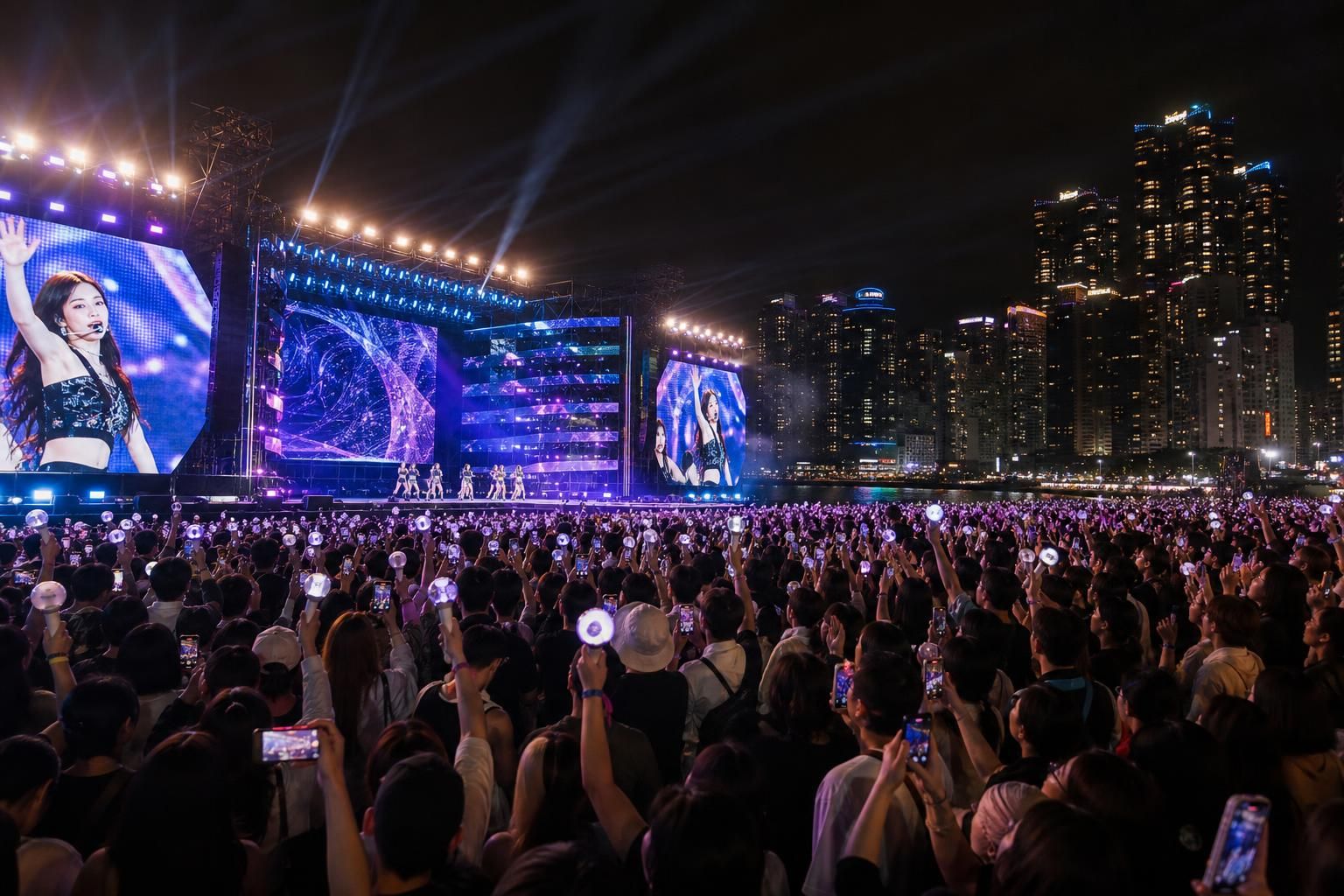
What attendees can expect as details emerge
While the digest provides a high-level view of the event’s significance and positioning, more granular information—such as specific performers, venue zones, and special programming—will likely be released closer to the event date. Still, the festival’s stated direction suggests a structure built around more than headline acts, potentially including interactive segments and cultural showcases designed to draw both dedicated fans and first-time visitors.
For international attendees, BOF’s continued emphasis on global appeal matters as much as the performances themselves. Festivals increasingly rely on clear accessibility, multilingual communications, and the ability to move between stages and experiences smoothly—factors that influence whether visitors treat the event as a one-off stop or a repeat destination.
What’s next for BOF 2026
In the coming weeks and months, BOF’s organizers are expected to release additional information, including the full schedule, participating artists or groups, and details of “with NOL” programming. International fan communities and cultural organizations will likely watch closely for announcements that broaden the festival’s appeal beyond K-pop idol performances—especially if the program includes cross-genre music, experiential exhibits, or collaborations tied to broader Korean cultural industries.
More broadly, BOF 2026 will be watched as a barometer for how South Korea’s cultural events scale in a post-pandemic era where global travel patterns, audience expectations, and marketing approaches have all shifted. If the festival delivers on its promise of expansion and international connectivity, it could reinforce Busan’s position as one of Korea’s key gateways for cultural diplomacy through entertainment.


Join the Conversation
Log in to share your thoughts and join the conversation with other fans.
Busan going bigger with K-culture is always fun to see. If the stage setup matches the ambition, this could be such a good festival moment ✨