
Hearts2Hearts’ Ian TikTok Fuels Debate Over Male Idol Girl Group Covers

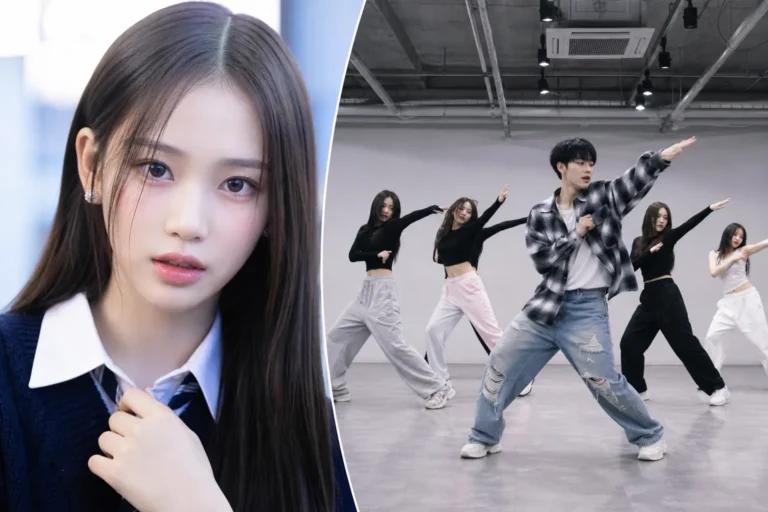
Hearts2Hearts member Ian has become the center of a fast-moving K-pop discussion after a new TikTok tied to the group’s comeback led fans to debate whether she was commenting on how some male idols perform girl group choreography.
The clip, posted through Hearts2Hearts’ official TikTok account, shows Ian dancing to the group’s recent track “Lemon Tang” in a deliberately altered style. Rather than simply repeating the original point choreography, the performance leans into a more exaggerated, forceful delivery. That shift was enough for many viewers to read the video as a playful reference to a familiar complaint in K-pop fandom: that some male idols make girl group dances look more aggressive, stiff, or traditionally “masculine” when they cover them for challenges.
There is no public confirmation that Ian intended the video as criticism of any specific idol. Still, the reaction shows how quickly a short-form performance can become a fandom-wide conversation when it touches an existing debate. Fans who shared the clip connected it to earlier arguments over girl group covers, including performances by well-known male idols that had already drawn mixed reactions online.
A Small TikTok With A Bigger Context
Girl group choreography has often been treated by fans as a test of precision, texture, and attitude. When male idols cover those routines, viewers tend to pay close attention to whether the original feel is preserved. Some fans enjoy reinterpretations that add a different physicality, while others argue that changing the movement too much can flatten the character of the song or make the choreography seem less respected.
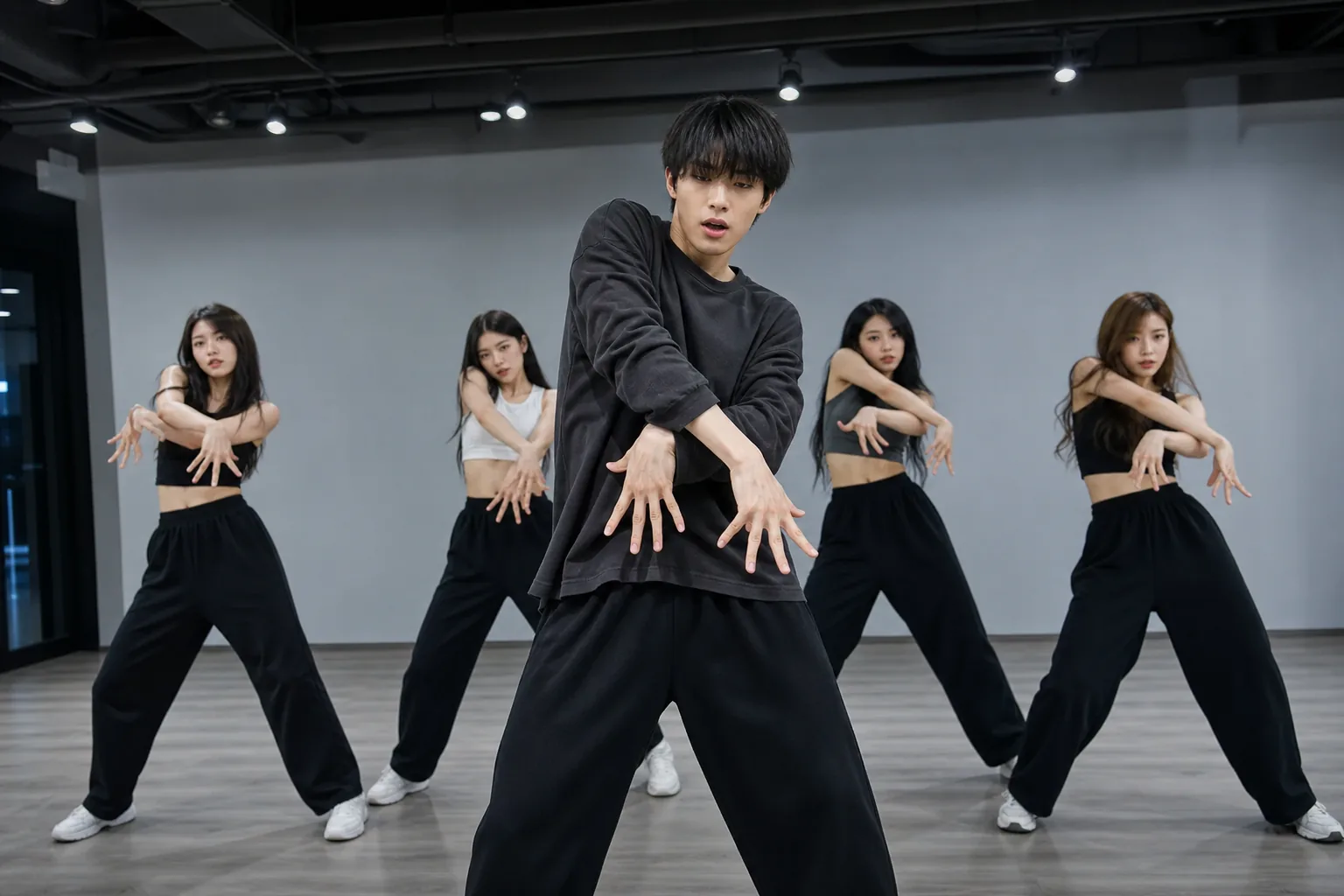
That tension has grown more visible because dance challenges are now part of routine comeback promotion. Idols from different groups frequently record short clips together, and those videos are designed to be replayed, compared, and debated. A performance that lasts only a few seconds can circulate far beyond the original fandom, especially when viewers believe it echoes a larger pattern.
Ian’s video arrived in that environment. For Hearts2Hearts, the TikTok was also part of the normal promotional rhythm around “Lemon Tang”, giving fans another short, shareable moment from the comeback. But because the delivery looked intentionally different from the expected version, many viewers treated the clip less like a standard challenge and more like a piece of commentary.
Why Fans Read It As Commentary
The online reaction was not only about Ian’s performance. It was also about what fans thought she might be imitating. Some viewers named male idols whose girl group covers had previously split opinion, framing Ian’s movements as a possible parody of the way certain covers emphasize power over groove or detail. That interpretation spread quickly because it gave the clip a clear narrative: a female idol appearing to joke about a trend fans already discuss often.
At the same time, the debate highlights the risk of reading too much intent into a short social media post. K-pop TikToks often rely on humor, exaggeration, and inside-fandom references, but they rarely come with explanations. Without a statement from Ian or her agency, the safest reading is that the clip sparked discussion rather than proved a direct callout.
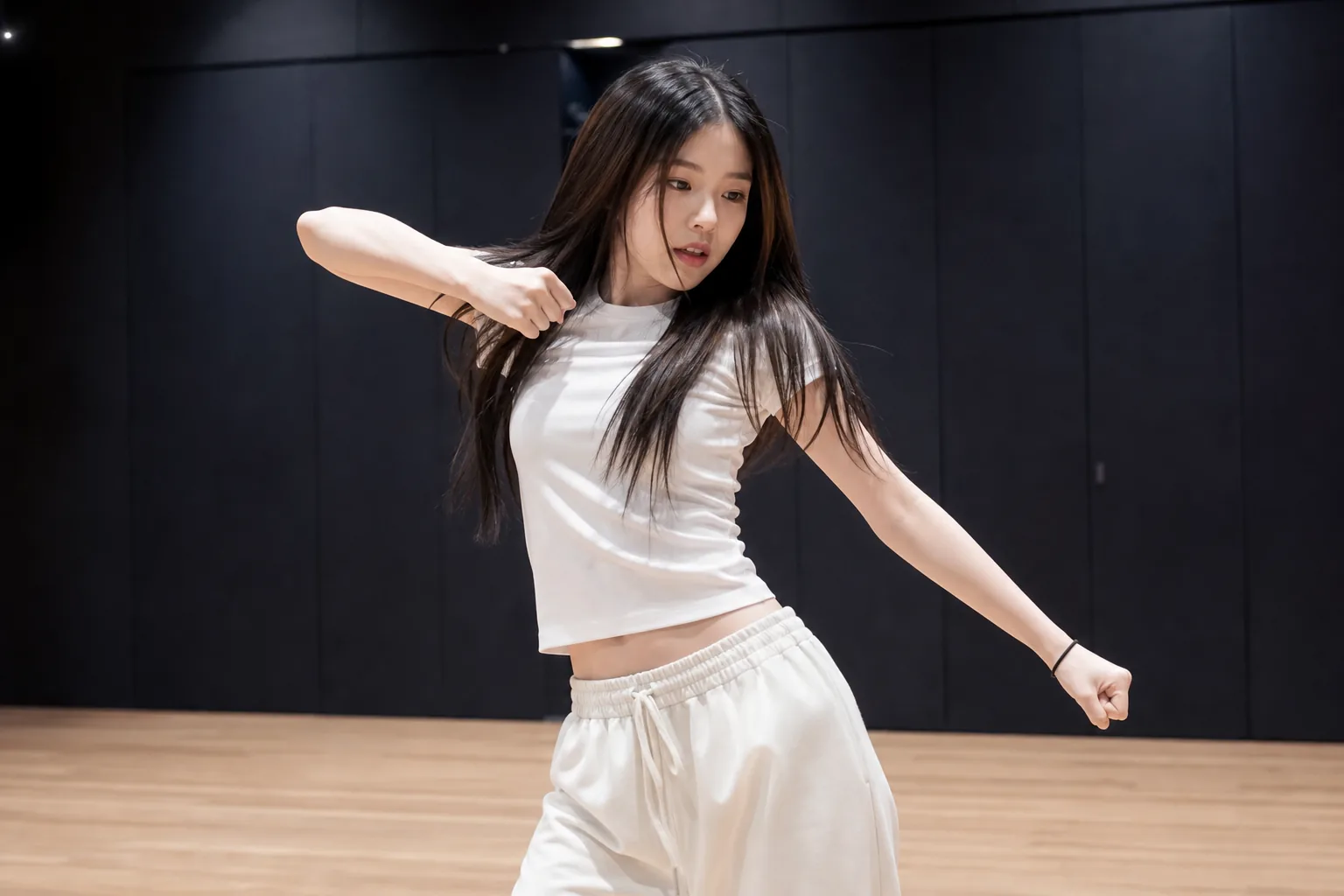
The response also underlines how performance standards are applied differently across idol groups. Many fans expect male idols to approach girl group choreography with the same attention to the original mood that female idols are expected to show when covering boy group songs. Others argue that covers naturally involve adaptation and that not every change should be treated as disrespect. Ian’s TikTok landed directly between those two positions.
What It Means For Dance Challenge Culture
The conversation around Ian’s clip is unlikely to end the debate over girl group covers, but it does show how sensitive fans have become to choreography choices in the short-form era. Dance challenges are no longer just promotional extras. They are performance receipts, fandom talking points, and sometimes the starting point for broader discussions about respect, gender presentation, and idol skill.
For Hearts2Hearts, the attention may also bring more eyes to “Lemon Tang” and to Ian as an individual performer. Even when reactions are split, a viral conversation can push casual viewers toward the original song and choreography, especially if the debate centers on movement rather than scandal.
The clearest takeaway is that fans are watching the details. A changed hand angle, a heavier step, or a comedic expression can be enough to turn a comeback TikTok into a wider argument about how K-pop performances are understood. Ian’s clip became news because it felt familiar to viewers who have been having this conversation for years.
Join the Conversation
Log in to share your thoughts and join the conversation with other fans.
This is exactly the kind of update that needs a little patience ?ザ ??topic??has more layers than the quick takes circulating online.