
THE KINGDOM’s Arthur Faces Fan Backlash Over TikTok Gift Allegations

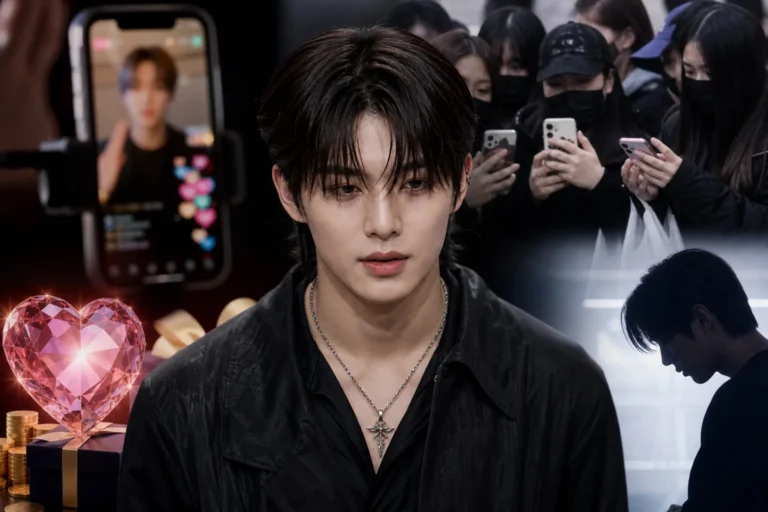
THE KINGDOM member Arthur has become the focus of a fast-moving online controversy after allegations about his TikTok livestream activity, fan gifts, and private communication with a supporter spread through K-pop fan circles.
The issue, first amplified by Koreaboo, centers on claims that Arthur developed unusually close contact with a fan who was reportedly a major spender during his livestreams. The allegations have not been independently verified by uniKpop, and neither Arthur nor GF Entertainment had issued a detailed public explanation in the source material reviewed for this article. Still, the dispute has gained traction because it touches a sensitive question in modern fandom: where should idols draw the line when livestream platforms turn fan attention into direct financial support?
What The Allegations Say
According to the report, Arthur has been using TikTok livestreams while THE KINGDOM remains on hiatus, with some members carrying out military service and others pursuing individual activities. Livestreaming has become a common way for artists to stay visible during quieter career periods, especially when group promotions are paused. It also creates a more casual environment than concerts, music shows, or formal fan-sign events.
The controversy began when some viewers alleged they had been blocked from Arthur’s streams. Fans then connected those claims to another supporter, identified in online discussion as a high-spending viewer, who allegedly received private attention from the idol. The report says Arthur was accused of moving communication with that fan beyond the livestream platform, including alleged private messages and contact information. Screenshots and fan posts circulating online have fueled the discussion, though the authenticity and full context of those exchanges remain difficult to confirm from public posts alone.
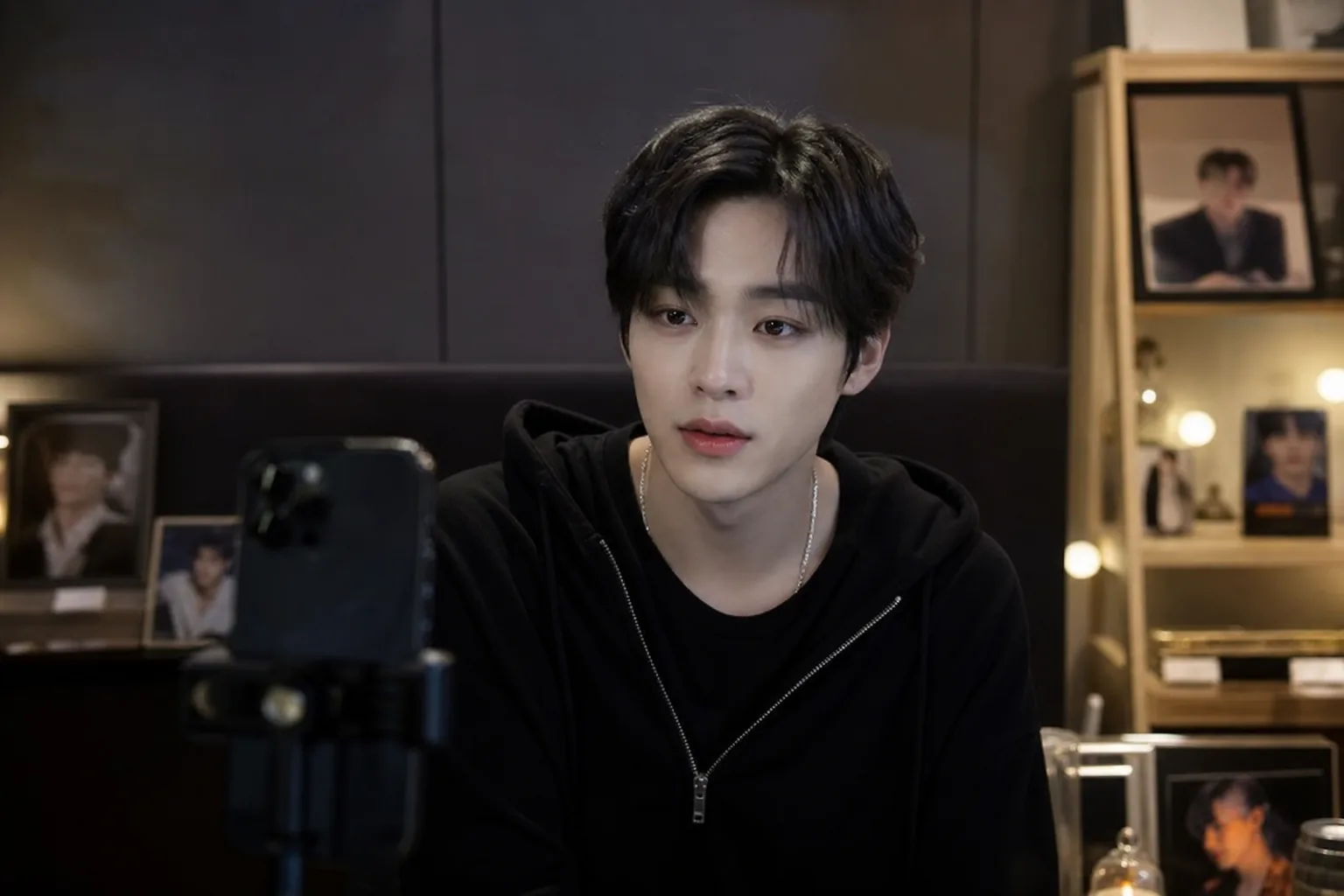
What made the story spread beyond ordinary fan drama was the money involved. TikTok Live and similar platforms allow viewers to send paid digital gifts, making livestream attention feel less like a one-way broadcast and more like a transaction. When fans believe a creator or idol is rewarding top spenders with special access, other supporters can quickly see the system as unfair or emotionally exploitative. In Arthur’s case, the allegations escalated because the fan who had reportedly spent heavily was later said to have exposed their interactions after a conflict.
Why Fans Are Reacting Strongly
K-pop has always relied on close idol-fan relationships, but livestream monetization adds a new layer of pressure. Traditional fan events are usually organized by agencies, bounded by schedules, and understood as promotional activity. A casual livestream can feel more personal, especially when an idol responds directly to messages, thanks viewers for gifts, or remembers individual usernames. That intimacy is part of the appeal, but it can also blur expectations.
For critics, the concern is not simply that an idol talked to a fan. The sharper criticism is that paid gifts may have influenced perceived access, while other viewers allegedly felt excluded or blocked. Some fans also questioned the judgment of sharing private contact routes with a supporter, particularly because idols often deal with privacy risks, obsessive behavior, and online harassment. Even when no rule is clearly broken, the appearance of favoritism can damage trust across a fandom.
Supporters taking a more cautious view have urged fans not to treat fragments of screenshots and viral posts as a complete record. Online disputes can flatten complicated exchanges into the most dramatic details, and social media rarely preserves chronology, consent, or tone. That caution matters because reputations can be harmed quickly when allegations spread faster than official responses. At the same time, the story shows why agencies increasingly need clearer rules for artist livestreams, especially when money and private communication are involved.
A Broader Livestreaming Problem
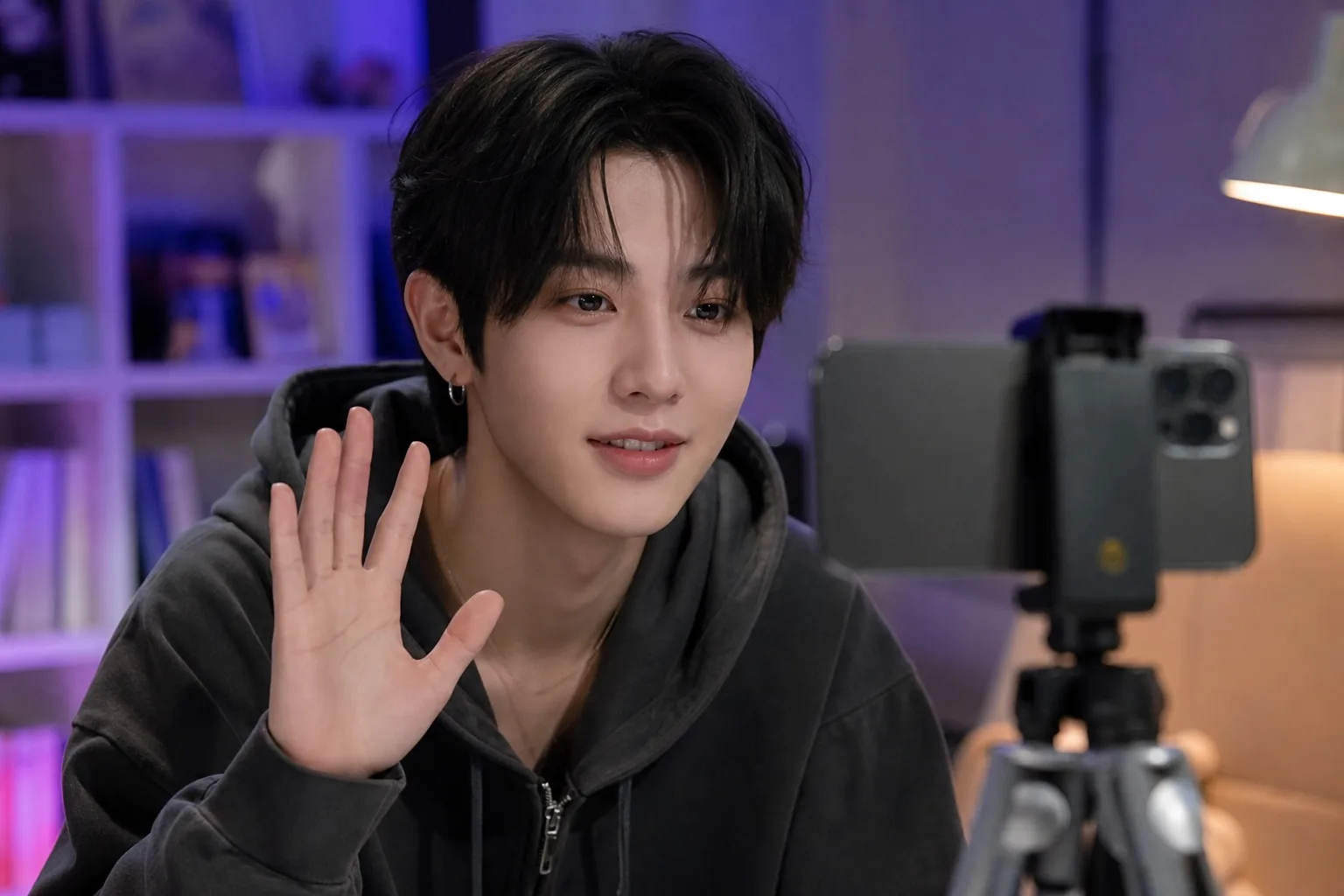
The Arthur discussion is part of a wider shift in K-pop promotion. As groups face long breaks, military enlistments, contract uncertainty, or uneven schedules, individual members often turn to social platforms to maintain fan attention. Those platforms can provide income and visibility, but they also place idols in less supervised spaces where emotional labor, parasocial expectations, and financial incentives collide.
For smaller or inactive groups, livestreaming may feel practical and immediate. It can keep fans engaged when there is no album cycle and no formal content calendar. But if viewers believe that the biggest spenders receive private access, the same tool that keeps a fandom alive can become a source of resentment. The backlash around Arthur shows how quickly a livestream can shift from casual entertainment to a debate about ethics, boundaries, and power.
At this stage, the most important unanswered questions remain whether the alleged private messages are complete, whether agency rules were violated, and whether Arthur or GF Entertainment will address the situation directly. Until then, the controversy is likely to remain a flashpoint among fans watching how idols adapt to livestream-driven promotion.
The larger takeaway is clear: K-pop’s online fan economy needs stronger boundaries. Paid digital gifts may be a normal part of livestream culture, but artists and agencies still have to protect trust by keeping interactions transparent, consistent, and professional. Without that, even a small stream can become a major reputational problem.
Join the Conversation
Log in to share your thoughts and join the conversation with other fans.