
HYBE Fan Debate Erupts Over Unfiltered “Sweaty” Photo and a Separate Armpit-Hair Controversy

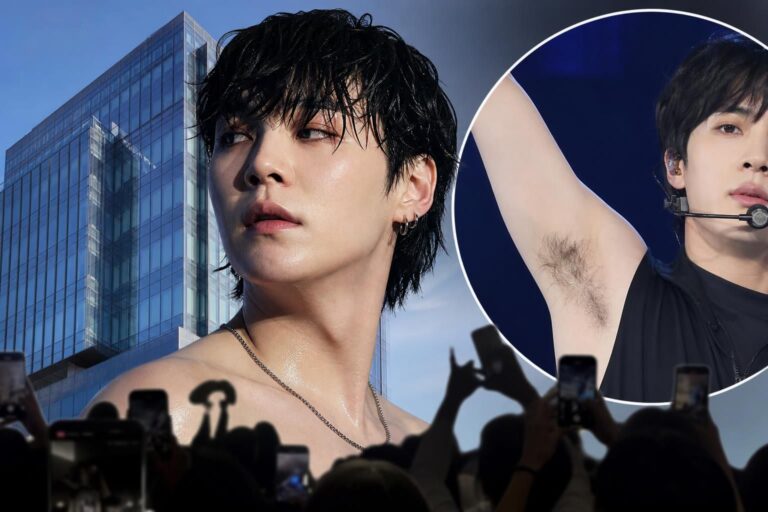
Two separate photo-based moments involving HYBE artists have sparked renewed online debate about expectations placed on celebrities—particularly around “natural” appearance, grooming, and what fans interpret as acceptable in the age of nonstop social media. On June 24 (local time), BTS member V went live for fans immediately after a workout, sharing what was described as an unedited, barefaced look while still sweaty. Days earlier, another HYBE-related discussion flared after Korean netizens shared fan-captured images of EVAN (an idol associated with HYBE) in which they claimed to see visible armpit hair.
V’s “no makeup, no filters” moment goes viral
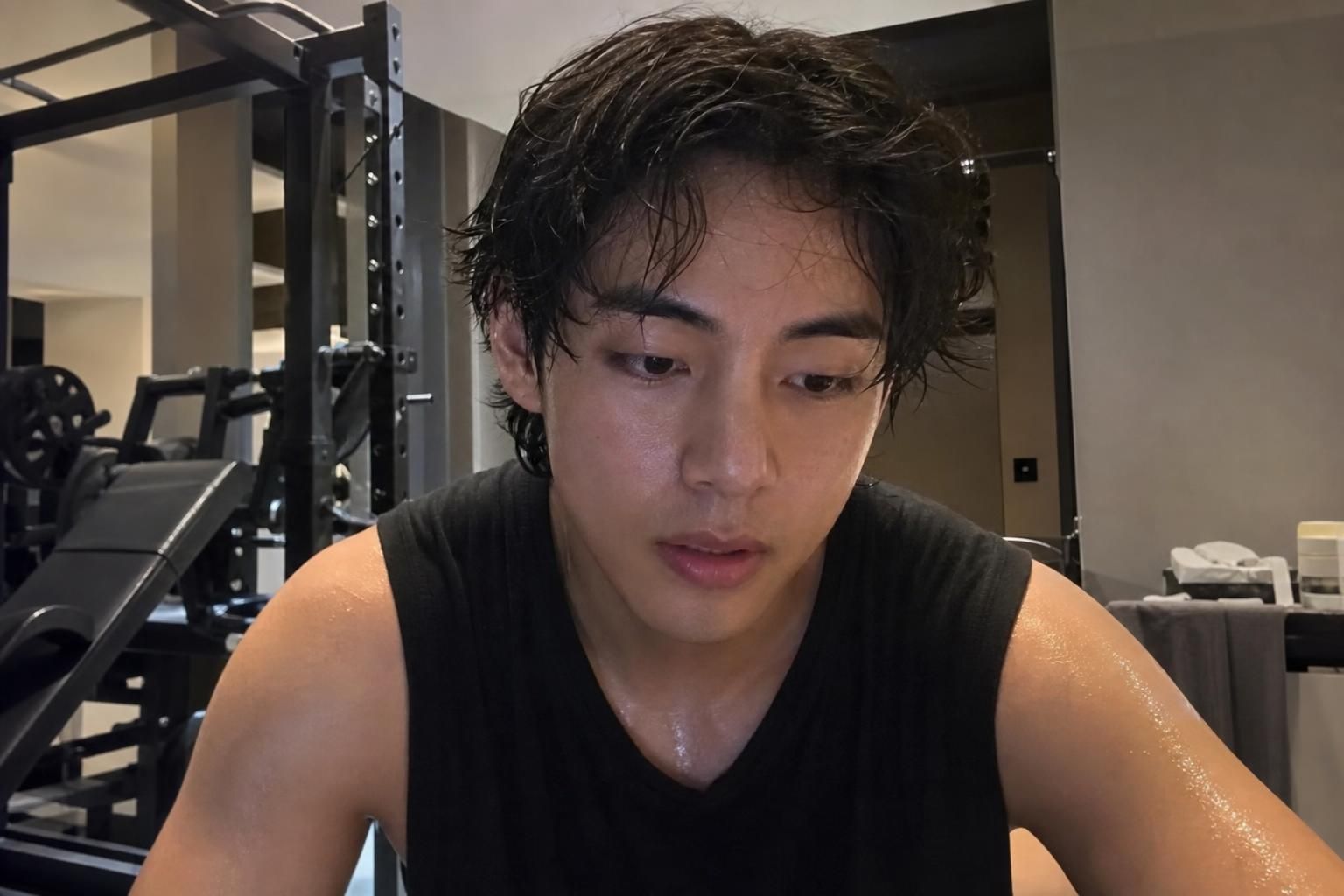
In V’s case, the controversy was less about wrongdoing and more about how noticeably “real” his appearance appeared in the raw live stream footage. According to Koreaboo, V ran two separate live broadcasts on June 24. During the first, he streamed from the workout setting—showing him sweating as he exercised. Shortly after, he continued engaging with fans while appearing without makeup and without visible smoothing filters, prompting viewers to share reactions ranging from admiration to surprise.
Social media posts highlighted the same details: the lack of glamor, the visible facial hair, and the overall unpolished nature of the image captured in a candid moment. Many comments framed the exchange as a rare example of a top-tier idol looking comfortable in his “off-camera” state. One recurring theme in reactions was that most idols are often expected to appear camera-ready at all times—even when unprepared moments (like sweating during workouts) go viral.
Armpit-hair debate reignites familiar grooming rules
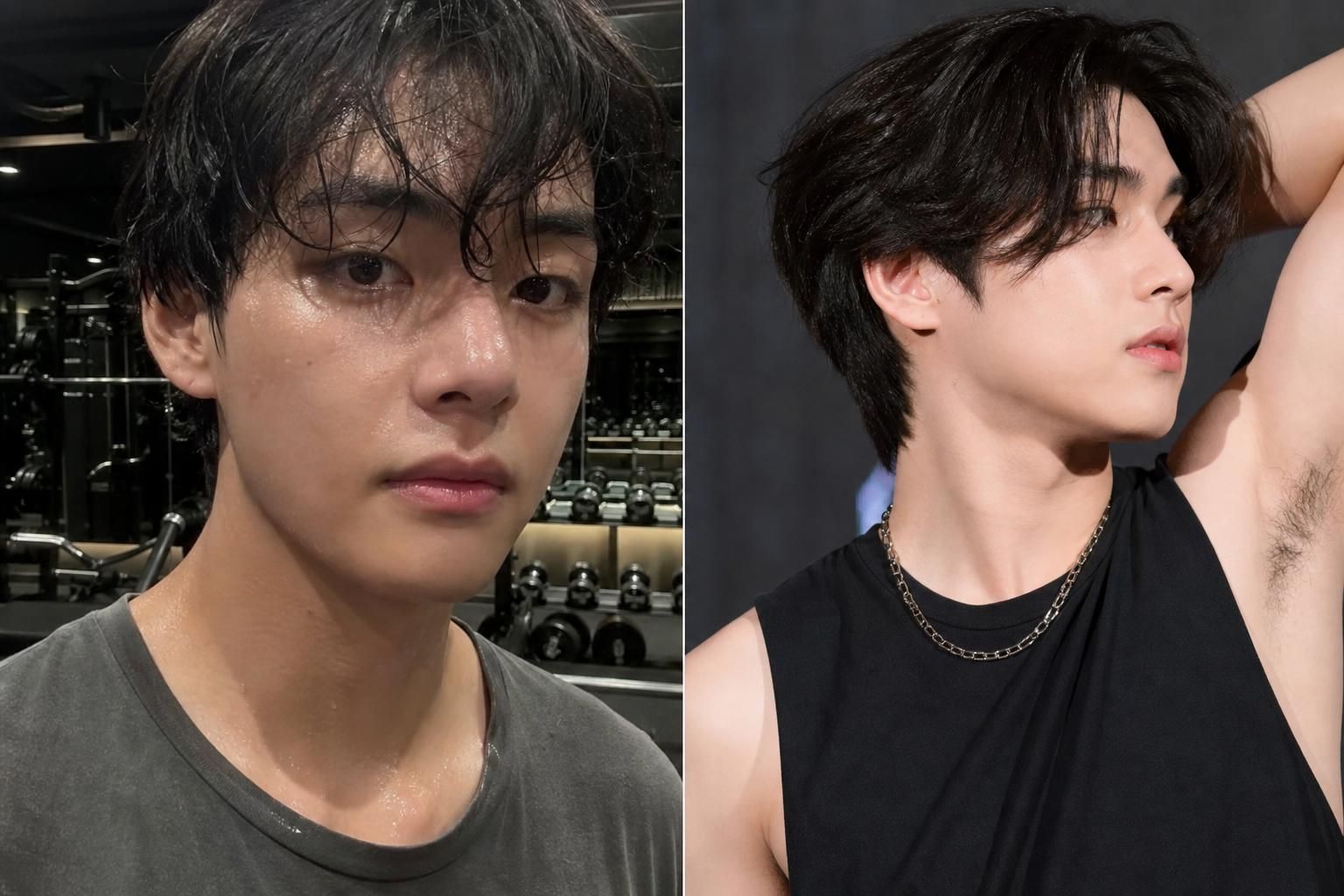
Meanwhile, the separate controversy around EVAN revolved around grooming expectations rather than filters. Koreaboo reports that Korean netizens have long shown mixed reactions to male idols with armpit hair, and that a recently shared fan photo intensified the debate. In the post, the original uploader reportedly pointed out that armpit hair was visible, triggering critiques in comment threads.
Examples of criticism included claims that the idol’s grooming standards had supposedly relaxed. Koreaboo also notes the presence of pushback from international audiences who argued that continued scrutiny over body hair is out of step with how people view human appearance in 2026—especially when an idol is performing, dancing, or living as an actual person rather than a perpetually perfected image.
Two controversies, one underlying question: “How real is too real?”
Together, the two viral moments reveal a split in how audiences interpret authenticity in celebrity culture. V’s unfiltered after-workout look appears to have generated mostly positive astonishment: fans praised the comfort and perceived honesty of letting a raw moment stay raw. EVAN’s case, however, shows that “natural” features can quickly become targets for judgment—at least when they violate grooming standards that some audiences treat as non-negotiable.
This contrast suggests that the same broad idea—being visibly human—can lead to completely different reactions depending on which physical details are scrutinized. In V’s case, the visual takeaway was primarily about lack of makeup and filters alongside visible sweat. In EVAN’s case, the focal point was body hair, which many commenters treated as a sign of inadequate personal management.
Why these posts keep sparking controversy
Photo and video virality amplifies small details, and that dynamic is especially intense in fandom ecosystems where screenshots are shared and analyzed in real time. Korean netizens, international fans, and broader social media audiences often respond with different cultural baselines: some view “imperfections” as proof of humanity and relatability; others treat visible natural changes as “unacceptable” because idols are expected to present an always-controlled image.
Koreaboo’s coverage of both stories also reflects how quickly debate can form. In EVAN’s case, commenters immediately compared his appearance to expectations about “management” and used the visibility of hair as a proxy for personal discipline. In V’s case, viewers used the visibility of facial hair and bare skin as evidence of an unusually relaxed, unedited moment—essentially turning “imperfection” into a point of appeal.
What to watch next
For V, the immediate aftermath is likely continued circulation of the live stream screenshots, with fans debating whether idols should more often show candid, unfiltered looks. For EVAN, the discussion may persist as the broader online argument about grooming expectations resurfaces—especially if additional fan posts or edited comparisons appear on social media.
More broadly, these episodes point to a recurring question for celebrity platforms: as camera quality improves and social apps normalize constant sharing, will audiences eventually adjust their standards toward more realistic appearances—or will “natural” cues be treated as mistakes that require correction? For now, both incidents show that “authenticity” is not a single concept online. It’s interpreted through culture, grooming norms, and who is being scrutinized.
Join the Conversation
Log in to share your thoughts and join the conversation with other fans.