
Former Click-B Member Ha Hyungon Says He Was Pushed Out Of Group Against His Will

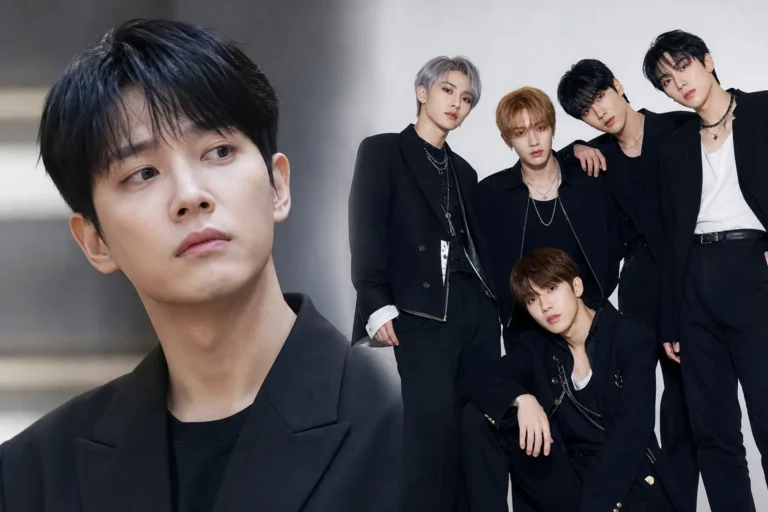
Former Click-B member Ha Hyungon has given a new account of one of the group’s most sensitive career chapters, saying that his departure from the first-generation idol group was not a voluntary decision. His remarks, shared during Click-B’s recent full-group reunion on KBS 2TV’s Happy Together: I Like That I’m Not Alone, have reopened discussion around how idol lineup changes were handled during an earlier era of K-pop management.
Click-B, known for combining idol performance with a band-style setup, recently appeared together as a complete group for the first time in 11 years. The reunion format naturally led the members to revisit their peak years, including the period when three members left while the group was still active and commercially visible.
A Departure Reframed
For years, Ha Hyungon’s exit was largely understood by the public as part of a normal lineup adjustment. On the broadcast, however, he said the situation felt very different from his side. According to Ha, fellow member Noh Minhyuk had first told the agency he intended to leave. Ha said that after Noh’s decision, the company began making him feel that he should leave as well.
That detail changes the emotional weight of the story. Rather than describing a personal career pivot, Ha presented his exit as something pushed by the agency after the group’s structure began to change. He said he believed the decision was connected to Click-B’s original band configuration: once the group was losing its guitarist, the company may have felt less reason to keep the band concept intact.
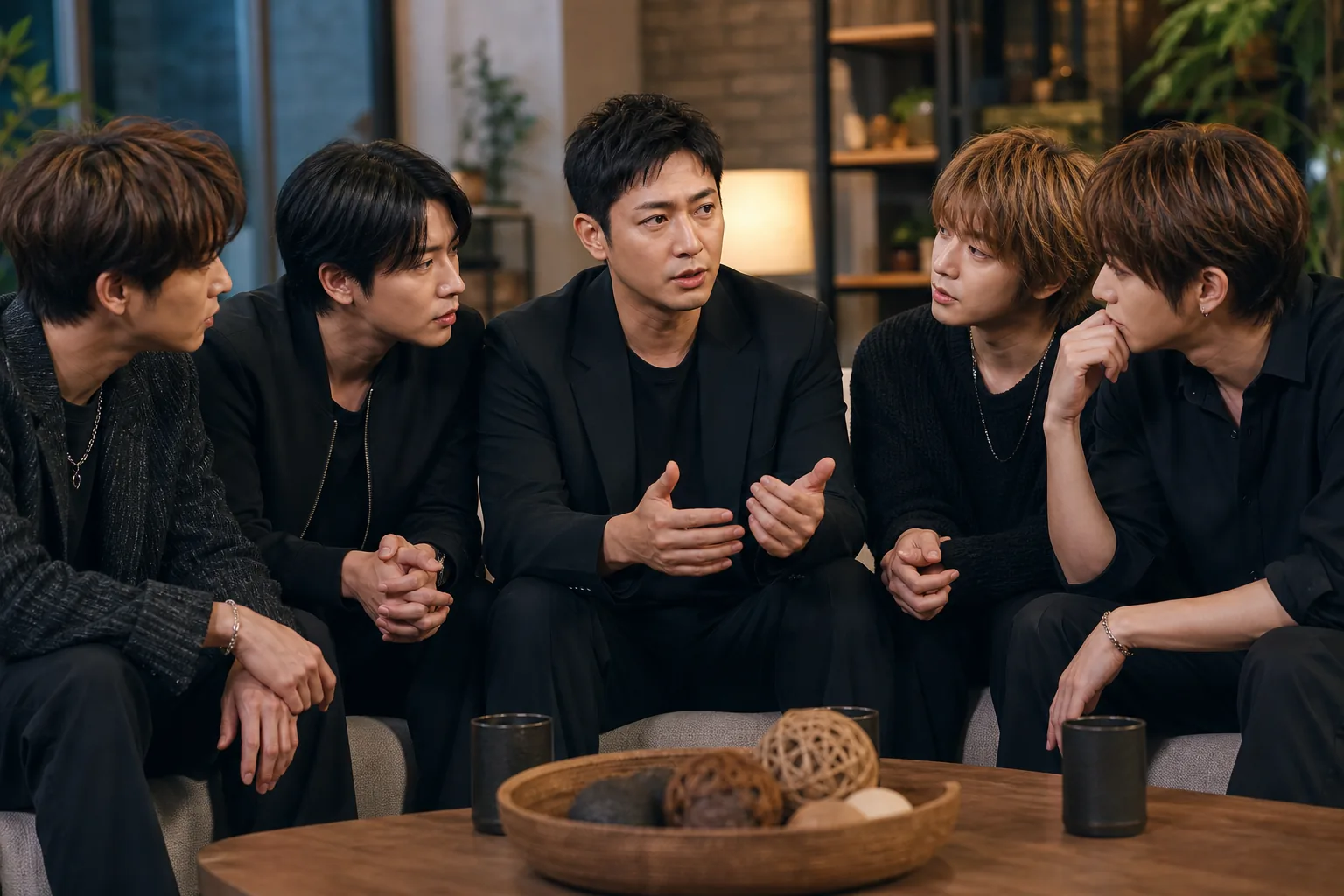
Click-B debuted at a time when K-pop agencies were still experimenting with how idol groups could look and sound. The group’s mix of pop performance and instrumental identity set it apart, but it also meant that internal changes could affect more than just stage positions. If the company no longer saw the band image as central, members tied to that identity could become vulnerable to strategic decisions made behind closed doors.
The Human Cost Of A Lineup Change
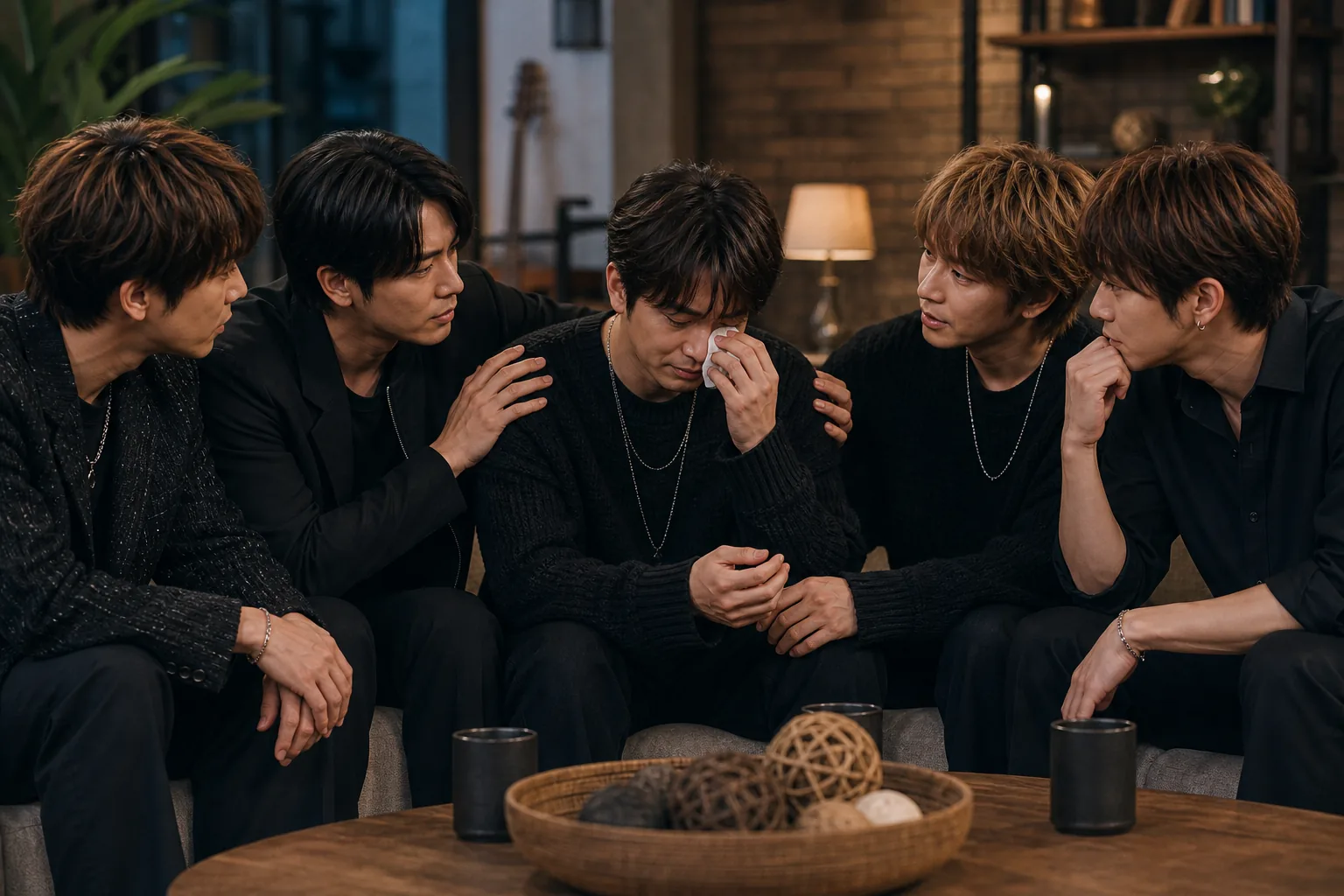
Ha’s account also stood out because it emphasized the emotional impact of leaving. Oh Jonghyuk recalled the day departing members moved out of the dorm, saying Ha came to say goodbye while visibly overcome. Although the memory was later softened with humor, as Ha explained he had recently undergone double-eyelid surgery, the scene still pointed to a painful moment between members who had lived and worked together.
That balance of pain and comedy is familiar in Korean variety television, where difficult memories are often revisited through a lighter tone. Even so, Ha’s central claim remained clear: he did not want to leave Click-B, and he felt the situation was shaped by forces outside his control. For fans who followed the group during its active years, the comment gives a sharper explanation for a split that had long been treated as industry history.
The reunion also highlighted the different reasons members may leave a group, even when the public sees only one headline. Yoo Hoseok, also known as Evan, explained that his own departure came from a desire to understand himself outside the team after debuting at a young age. Placed beside Ha’s account, that contrast shows how one group’s lineup change can contain several very different personal stories.
Why The Story Resonates Now
Ha’s revelation arrives at a time when K-pop audiences are more attentive to agency power, artist contracts, and the unseen pressures behind group branding. Modern fans often expect clearer communication around hiatuses, departures, and contract disputes. Looking back at Click-B through that lens makes the older story feel less like nostalgia and more like an early example of issues that still shape the industry.
It also underlines why reunion programs can matter beyond simple fan service. When veteran idols gather years later, they are often able to discuss experiences that may have been too sensitive to explain while careers, contracts, and public images were still being managed in real time. Those accounts do not erase the music or the memories fans hold, but they can make the history more complete.
For Click-B, the reunion offered both warmth and unresolved emotion. Ha Hyungon’s comments do not turn the group’s legacy into a single dispute, but they do add an important perspective to how one member experienced a major turning point. The story is likely to resonate with longtime fans because it connects a familiar K-pop question, why a member left, with the more complicated reality of agency decisions, group concepts, and personal loss.



Join the Conversation
Log in to share your thoughts and join the conversation with other fans.