
Court Sentences BTS Member Jungkook Stalker to Suspended Prison Term, Citing Repeated Home Intrusions

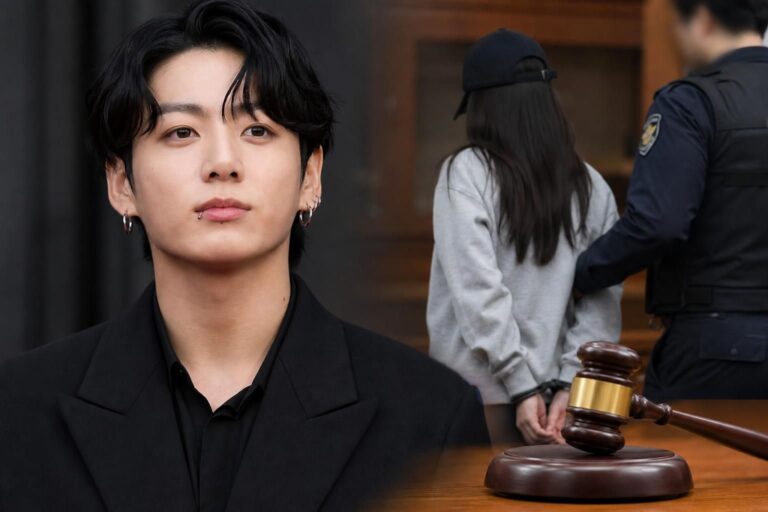
A South Korean court has sentenced a Brazilian woman convicted of stalking BTS member Jeon Jung-kook to a suspended one-year prison term, with two years of probation, according to reports published this week. The ruling followed months of alleged repeat visits to the singer’s home and violations of a court-issued protective order, court records cited by outlets said.
The case was heard under South Korea’s anti-stalking framework and related trespassing provisions. The defendant—identified in coverage only as “A”—had already spent about three months in detention prior to sentencing, after being arrested for incidents tied to the singer’s residence between December 2025 and January 2026.
Repeated visits, protective order violations
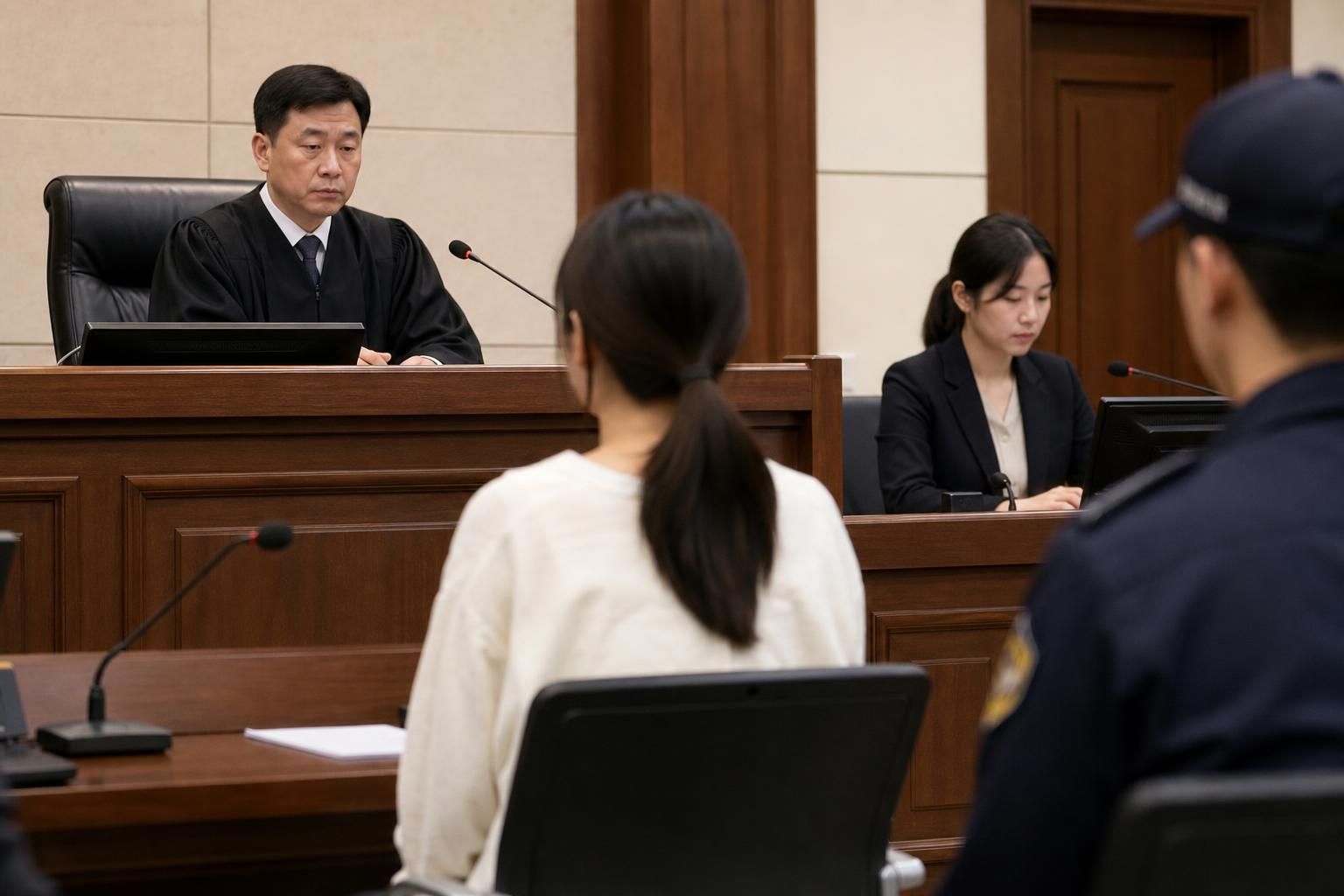
According to coverage of the decision, Judge Park Ji Won of the Seoul Western District Court issued the suspended sentence for charges including violating South Korea’s anti-stalking law and trespassing. Prosecutors described a pattern of persistent behavior that continued even after legal restrictions were imposed.
One of the key allegations involved the woman visiting Jungkook’s residence 22 times over roughly one month. Court documents, as summarized by the reporting, alleged that she repeatedly rang the doorbell, waited outside the property, and left letters and personal items, alongside attempts to contact the singer.
Authorities also cited a particularly serious incident on December 12, when the woman reportedly rang the doorbell 133 times in a single evening. The next day, she was said to have gained access to the property by waiting near a side entrance and following a food delivery worker after the worker entered and then exited.
Emergency order and a continued pattern
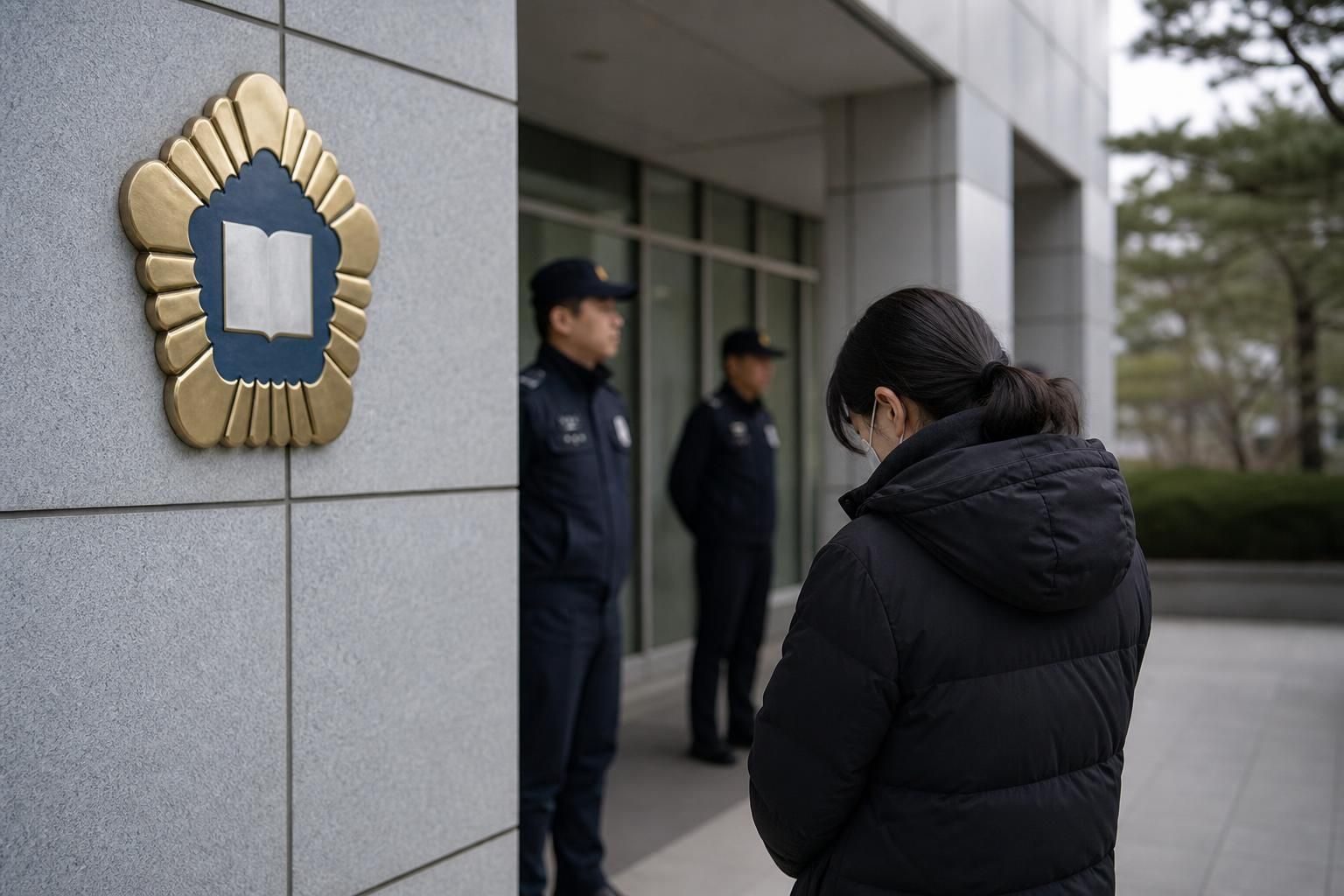
After the December 13 arrest, police and legal authorities reportedly issued an emergency protective order, which prosecutors said barred her from approaching within 100 meters of Jungkook or his residence. Despite that restriction, the case continued.
Prosecutors alleged that the defendant returned in early January and left photographs and printed materials near the home, leading to additional charges. The court’s decision, as described in coverage, acknowledged the gravity of repeated stalking behavior and the fact that the defendant persisted despite warnings from police and the existence of court-mandated limits.
Why the prison term was suspended
The sentence did not amount to immediate incarceration. While the court recognized the seriousness of the conduct, it reportedly declined to impose an unsuspended term, citing a range of considerations.
In the reported reasoning, the judge reportedly took into account the argument that the defendant acted to “express feelings” rather than to cause physical harm. The court also considered time already served in detention during the pre-trial period. In addition, coverage of the decision stated that the defendant is expected to be deported once the judgment becomes final, reducing the likelihood of continued presence in South Korea after the legal process completes.
Meanwhile, accounts of the ruling indicate the victim sought a strong punishment. That demand, however, was balanced against the court’s view of intent and other mitigating factors.
Broader pressure on celebrity safety and online behavior
The Jungkook stalking case arrives amid ongoing scrutiny of how South Korea handles risks faced by high-profile public figures—both in physical proximity and in the digital ecosystem that surrounds fame. Separate coverage this week highlighted how entertainment agencies continue to pursue legal action against harmful or malicious posts targeting celebrities.
For example, Soompi reported that Park Bo Gum’s agency, THEBLACKLABEL, shared results of legal efforts against malicious online postings. While that report focused on digital misconduct rather than a physical-stalking offense, it reflects the same core theme: legal responses are increasingly being used to protect artists from targeted harassment.
And while unrelated to the court proceedings, entertainment reporting on actors and film projects continues to underscore how the public attention that comes with stardom can also elevate risk—from online abuse to real-world intrusion.
What comes next
With the sentence currently suspended, the key developments to watch are whether the decision becomes final without appeal and how authorities proceed with enforcement related to any immigration outcome. If upheld, deportation would likely end the defendant’s ability to continue similar behavior in South Korea.
More broadly, the case may influence how courts evaluate repeated stalking patterns, especially when protective orders are violated. For celebrities and their agencies, it also signals the importance of rapid legal action when harassment escalates—from issuing protective orders to pursuing criminal charges when restrictions are ignored.
For fans, the ruling is also a reminder that celebrity safety is increasingly addressed through structured legal processes—aimed at stopping not just one incident, but a sustained campaign of intrusion.
Join the Conversation
Log in to share your thoughts and join the conversation with other fans.