

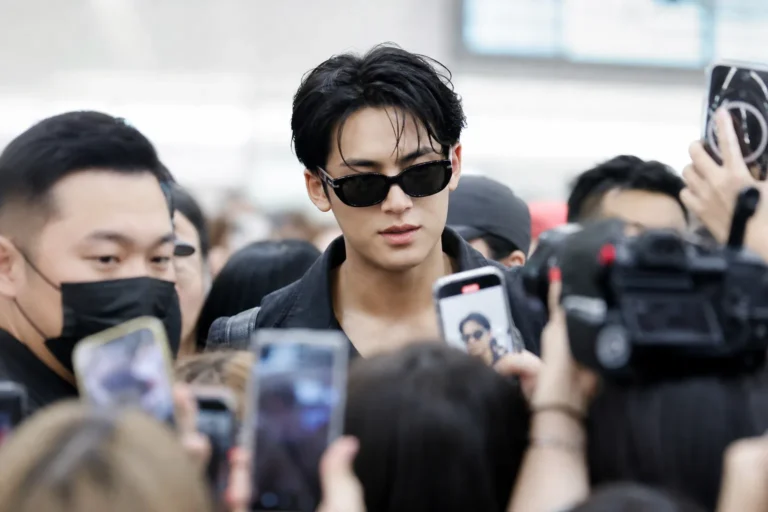
A short airport video of SEVENTEEN’s Mingyu has sparked a fresh round of concern among fans, after viewers said the idol appeared visibly frustrated while moving through a crowded arrival area at Incheon. The clip spread online following Mingyu’s return to Seoul after an overseas fan signing event, with many fans focusing less on the celebrity sighting itself and more on the lack of space around him.
According to Koreaboo, videos shared on social media showed a large crowd gathering around Mingyu as he walked through the airport wearing a hat and mask. Some fans who watched the footage claimed that he could be heard saying “Ah, please” around the five-second mark, a detail that quickly became central to the reaction. The moment was interpreted by many as a sign that the atmosphere had crossed from enthusiastic greeting into uncomfortable pressure.
The discussion is not simply about whether fans should be allowed to see idols at airports. Airports are public places, and celebrity arrivals have long been part of K-pop’s highly visible fan culture. The issue raised by this clip is more specific: when a crowd closes in, blocks movement, or follows too closely, an ordinary transit moment can become stressful for the artist, security staff, airport workers, and other travelers.
Why This Clip Hit a Nerve
Mingyu is one of SEVENTEEN’s most recognizable members, and the group’s global schedule means airport appearances often draw attention. But the reaction to this clip shows how quickly fans can distinguish between support and intrusion. Many comments circulating around the video argued that wanting to see an idol does not justify surrounding them, pushing for photos, or ignoring personal space.
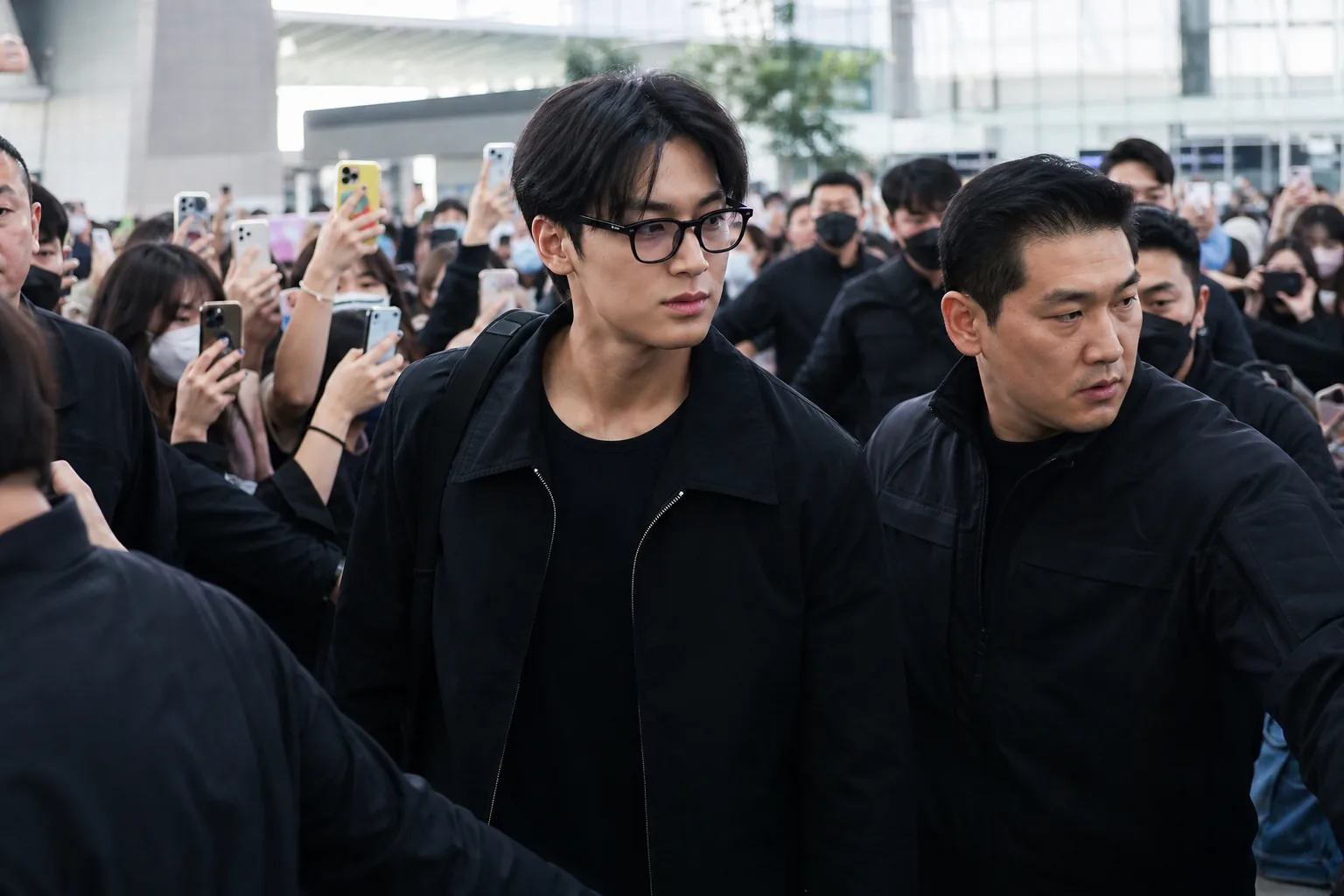
That distinction matters because airport settings are not planned fan events. Unlike concerts, fan meetings, or official send-offs, transit areas are shared public infrastructure. Idols may be tired after flights, navigating immigration and baggage schedules, or moving on tight timelines. When fans gather in large numbers without order, the situation can become unpredictable even if most people present do not intend harm.
The emotional tone of the reaction also reflects a broader shift in fan expectations. In earlier eras of K-pop, airport photos were often treated as a routine extension of promotion. More recently, fans have become more willing to call out behavior they see as invasive, especially when video evidence appears to show an artist looking uncomfortable. The Mingyu clip has become another example of that changing standard.
Fan Culture and Shared Responsibility
There is also a practical safety concern. Crowding around a moving person creates risk for everyone in the area. Artists can be bumped or blocked, fans can fall while filming, and airport staff can be forced to manage a situation they did not organize. Even a calm crowd can become difficult to control when several people try to get the same close-up angle at once.
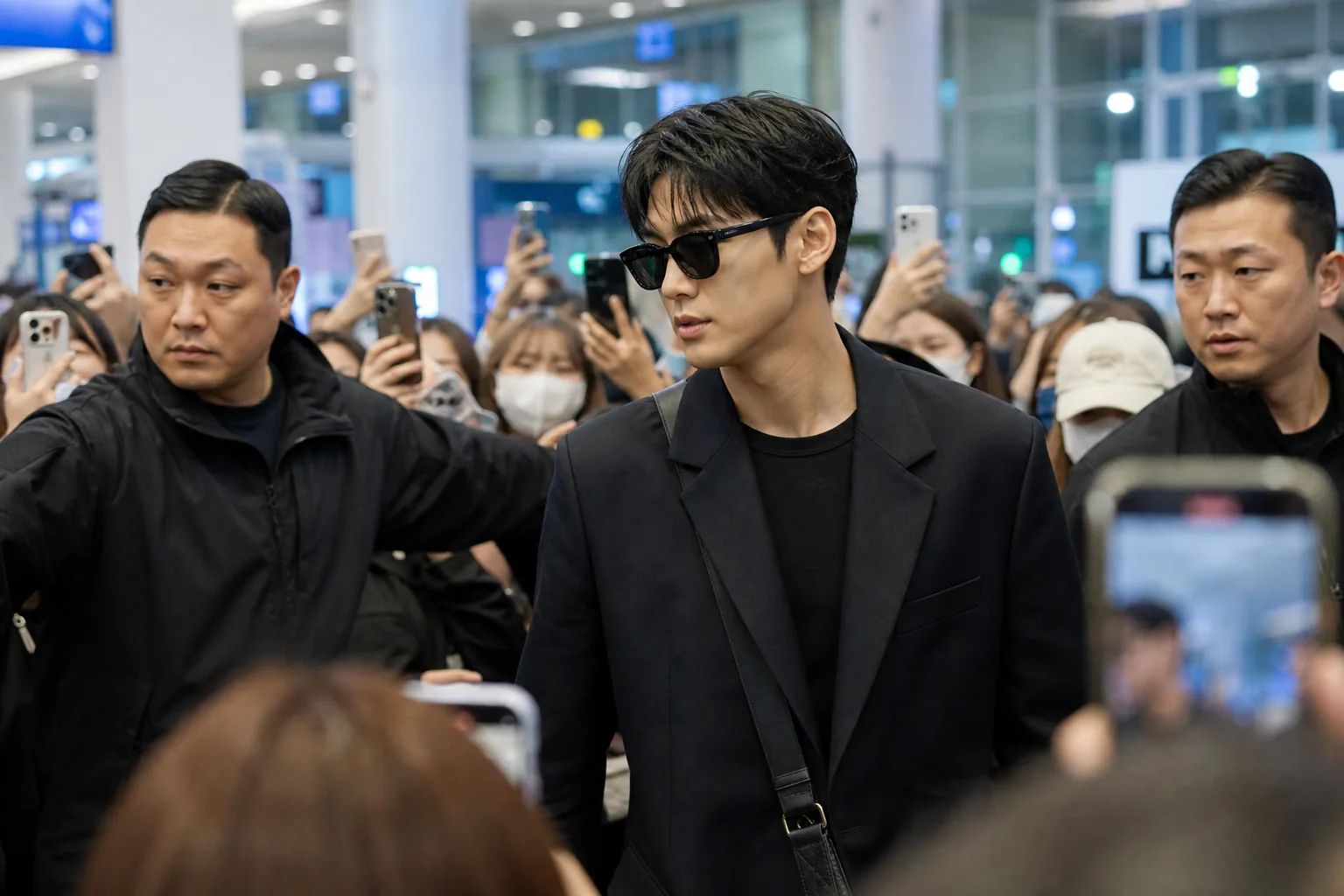
For K-pop agencies, airports remain a complicated space. Some schedules are known publicly, some are inferred by fans, and some are leaked through unofficial channels. Agencies can request restraint, use security, or coordinate routes, but they cannot fully control public behavior. That leaves a large part of the responsibility with fans themselves, especially those who choose to be physically present.
The most constructive fan responses to the Mingyu video focused on simple boundaries: keep distance, do not block the path, avoid following too closely, and remember that an airport arrival is not the same as a fan signing. These are not anti-fan rules. They are basic conditions that allow an artist to move safely while still acknowledging support from a distance.
A Recurring K-Pop Problem
Mingyu’s situation is part of a recurring industry pattern. Viral airport clips often become flashpoints because they compress several tensions into a few seconds: celebrity visibility, fan devotion, privacy, safety, and the pressure on idols to remain composed in public. If an artist smiles, the crowd may feel encouraged. If an artist looks upset, fans may feel guilty or defensive. Either way, the behavior around the artist becomes the story.
That dynamic is especially difficult for idols, whose public image is often built on warmth and accessibility. Fans may feel emotionally close to artists they support, but physical access is different from emotional connection. Respecting a boundary at an airport does not weaken support; it can be one of the clearest ways to show it.
For SEVENTEEN fans, the Mingyu video has already served as a reminder that admiration should not come at the cost of comfort or safety. The strongest response now would be cultural rather than punitive: normalizing distance, discouraging crowding, and treating airport restraint as part of responsible fandom.
In the end, the clip’s impact comes from how familiar it feels. A few seconds of visible frustration were enough to reopen a long-running question in K-pop: how can fans celebrate artists without turning ordinary movement into a public obstacle course? The answer starts with treating access as a privilege, not a right, and recognizing that support sometimes means stepping back.

Join the Conversation
Log in to share your thoughts and join the conversation with other fans.