
Viral Backlash Highlights How K-pop and K-drama Intimacy Lines Are Being Debated Online

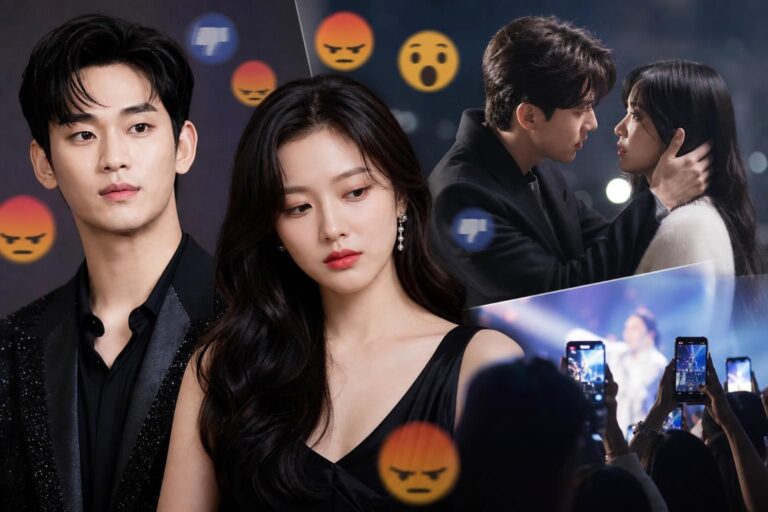
From a viral moment on a K-pop tour stage to a polarizing on-screen romance in a new drama, the past 24 hours have underscored how quickly celebrity content can ignite public debate—and how audience expectations about “what’s appropriate” are increasingly shaped by social media.
In one of the most widely shared stories, BTS member Jungkook drew intense reactions after clips circulated showing him during what fans described as a soundcheck appearance, wearing a denim set with his bare torso visible and his underwear waistband showing. The footage spread rapidly online, prompting some viewers to call for cancellations while others argued that the incident was being sensationalized beyond what actually occurred. Meanwhile, separate online discussions have focused on the ethics and optics of intimate scenes in K-dramas, and another wave of backlash has targeted a rumored ex-partner tied to BLACKPINK’s Lisa.
BTS’s Jungkook Clip Sparks an “Appropriateness” Debate
According to reports shared by Korean entertainment outlets, Jungkook appeared on stage during a Spain stop on BTS’s ongoing European tour, with a styling choice that left his midsection visible. Videos highlighted the visual contrast between a tour environment—often associated with choreography, costuming, and stagecraft—and the boundary-pushing discomfort some fans felt when the moment went viral.
On platforms such as X, the reaction was swift and emotional. Some users expressed outrage in all-caps posts, arguing that the appearance was inappropriate for the context of a soundcheck. Others framed the criticism as overblown, noting that performers wear expressive outfits as part of stage visuals. Regardless of where people landed, the episode illustrates how context—not just the outfit itself—can become the central argument once a clip leaves the venue and enters the broader algorithmic spotlight.

It also shows the power dynamics of modern celebrity communication: fans can interpret, remix, and escalate moments within hours, while official responses—if they arrive—often come later and may struggle to outrun the initial narrative cycle.
K-Drama’s “Unsettling Intimacy” Triggers Backlash Over Age Gap
While BTS-related chatter centered on physical exposure, another controversy focused on something more narrative and interpretive: a viral steamy makeout scene from the 2026 thriller Notes from the Last Row. The show reportedly stars Choi Hyun Wook (24) and veteran actress Jin Kyung (54), playing characters whose relationship is described as rooted in obsession and a disturbing power inversion.
When the scene circulated on X, the reaction split along familiar lines. Some viewers singled out the 30-year age gap and said the intimacy crossed a line, with several declaring they would stop watching. Others argued that the backlash reflects a double standard: male actors frequently play romantic or intimate roles with significantly younger partners without the same level of public condemnation. In that view, the issue is not the craft of acting, but the gendered optics audiences apply to it.
Another group defended the scene by pointing to the show’s genre and writing. They argued that discomfort is part of the story’s intent—that the series uses intimacy to explore manipulation and moral ambiguity rather than to promote a “normal” romance. In other words, the controversy became less about what was shown and more about how audiences interpret the purpose behind what was shown.
Lisa Rumors and “Heir” Backlash Show How Fan Spaces Police Narratives
Separately, online discourse around BLACKPINK’s Lisa has centered on breakup rumors involving Frédéric Arnault, a son of a billionaire LVMH executive. While neither Lisa nor Arnault has publicly commented on the rumors, a reported Vanity Fair interview sparked renewed speculation, with attention turning to his absence from Lisa’s earlier birthday events, according to coverage.

But the focus quickly moved away from romance itself and toward the way netizens evaluate the alleged ex-partner’s image. Reports from Korean community platforms describe the debate as less “shipping” and more reputational: some comments mocked his attractiveness and labeled him as a “rich kid” rather than a refined romantic figure, while others criticized the tone and assumptions behind those judgments. The backlash suggests that fan and online community spaces often treat celebrity relationships as public property—something to be debated, ranked, and punished regardless of whether any relationship claim is verified.
Why These Stories Keep Converging in the Same Debate
Across all three headlines, the common thread is that virality collapses the distance between performance and personal morality. Jungkook’s stage outfit became a proxy for audience boundary-setting. Notes from the Last Row turned an acting moment into a referendum on age, power, and representation. Lisa-related rumors became a battlefield for public perception of character, status, and “deservingness.”
Even though these incidents involve different industries—music, television, and celebrity gossip—the online ecosystem functions similarly: clips and captions are consumed quickly, interpreted emotionally, and amplified through user commentary. Once the narrative hardens, the original context—tour soundcheck vs. stage set design, thriller obsession vs. romance, rumor vs. confirmation—often becomes secondary.
What to Watch Next
For BTS and Jungkook, the key question will be whether additional footage or follow-up explanations appear, and whether any official event organizers or management teams address the concern. For Notes from the Last Row, viewership momentum could rise or fall depending on whether viewers embrace the show’s discomfort-as-storytelling angle or decide the controversy undermines the viewing experience.
And for Lisa, the future likely hinges on whether more interviews, statements, or verified reporting emerge—or whether the rumor cycle continues to be driven primarily by social chatter. In all cases, these stories demonstrate how quickly “entertainment” becomes a site of cultural argument, with audiences using celebrity moments to negotiate evolving standards of appropriateness, power, and representation.



Join the Conversation
Log in to share your thoughts and join the conversation with other fans.