

Train to Busan will return to theaters in a 4K remastered version for its 10th anniversary, with confirmed rerelease dates across several major markets.
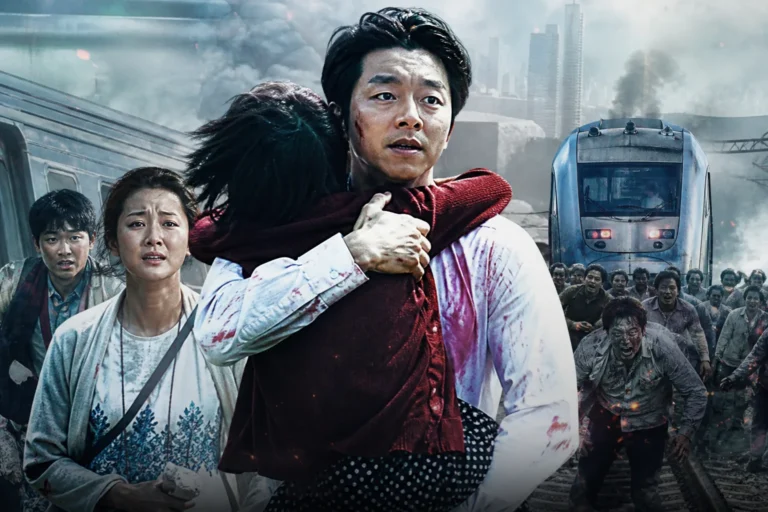
Train to Busan is returning to theaters for its 10th anniversary, giving one of modern Korean cinema’s most influential genre hits a new global run in a 4K remastered version. The rerelease marks a decade since Yeon Sang-ho’s zombie thriller first reached Korean audiences in July 2016 and became a breakout title for both Korean horror and Korean commercial filmmaking overseas.
The anniversary rollout is built around a theatrical presentation rather than a simple catalog reissue. The remastered version is being promoted with sharper image quality and upgraded sound, a practical choice for a film whose tension depends on cramped interiors, fast movement, and sudden shifts from human drama to full-scale panic. For viewers who discovered the film through streaming, the rerelease offers a chance to experience its confined-train set pieces on a large screen.
A 4K Return For A Korean Zombie Landmark
The confirmed international schedule begins in the Philippines on August 5, followed by North America on August 14, Japan on August 21, and Italy on September 2. Additional markets, including Spain and several Latin American countries such as Argentina, Bolivia, Chile, Ecuador, Peru, Venezuela, and Mexico, are also in the process of coordinating release dates. The schedule gives the anniversary campaign a staggered global shape rather than a single one-day event.
That global framing matters because Train to Busan was never just a domestic box-office story. The film helped introduce a wider international audience to the speed, emotional force, and social tension that Korean genre cinema could bring to a familiar zombie premise. It turned the narrow geography of a KTX train into a pressure chamber for class conflict, family regret, fear, sacrifice, and survival.
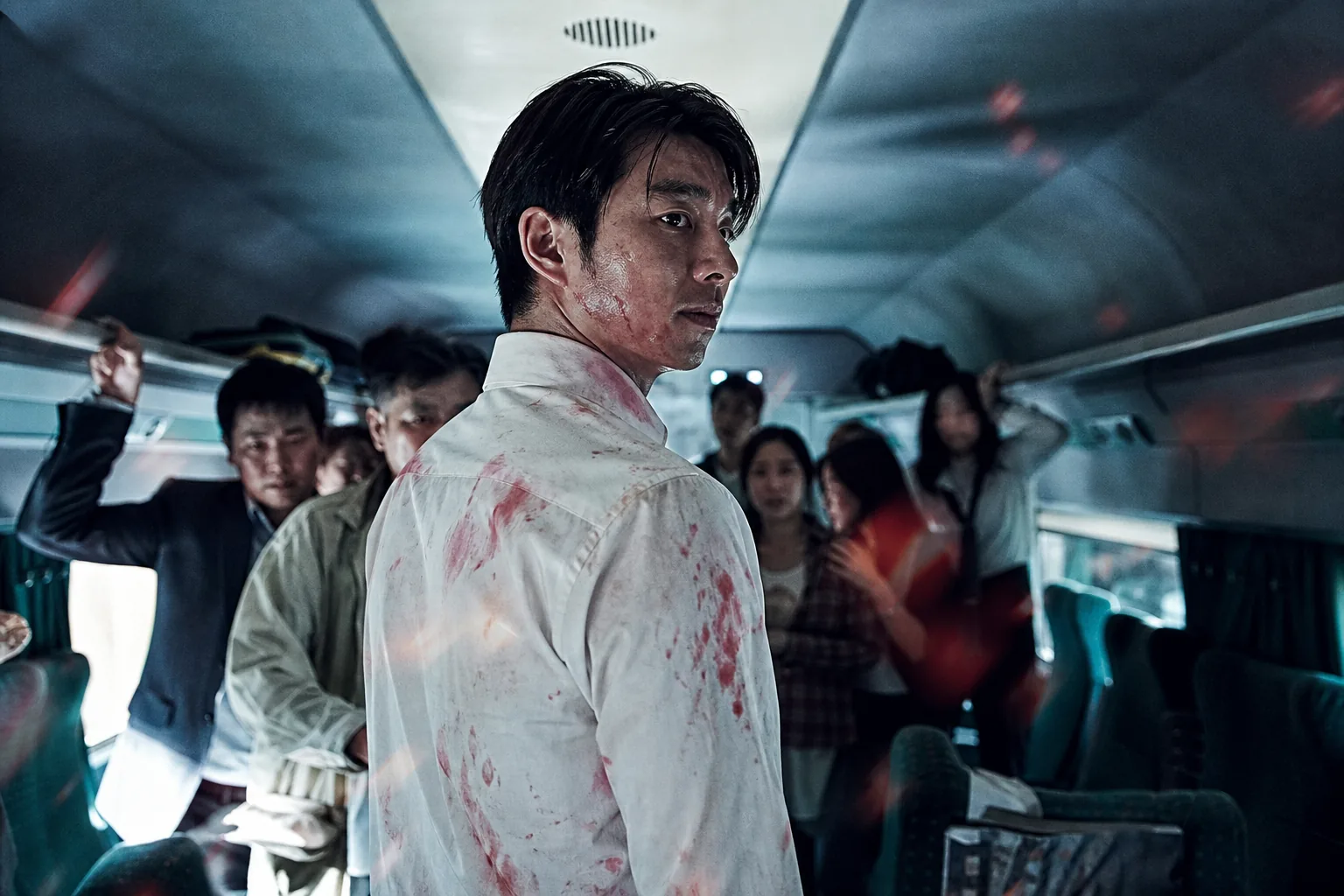
At the center of the story is a father and daughter whose birthday trip becomes a fight for survival after a zombie outbreak spreads through South Korea. The premise is direct, but the film’s staying power comes from how efficiently it connects action mechanics with character stakes. Each carriage becomes a new obstacle, each stop threatens to reset the danger, and each act of self-preservation raises a moral cost.
Why The Film Still Carries Weight
Released in 2016, Train to Busan became the first Korean zombie film to pass 10 million admissions at the domestic box office. Its success helped open the door for a broader wave of Korean zombie and survival stories, while also strengthening international expectations for Korean commercial films that could combine high-concept genre appeal with emotional accessibility.
The movie’s reputation also grew through festival attention and word of mouth. It was invited to the Midnight Screenings section at Cannes, and its momentum abroad helped turn it into a reference point whenever later Korean genre projects reached global audiences. The title has remained especially durable because it works both as a propulsive thriller and as a family melodrama about a parent forced to understand sacrifice too late.
The 4K rerelease arrives at a moment when Korean film and television have a much larger global platform than they did in 2016. Audiences who came to Korean entertainment through later streaming hits, prestige dramas, or K-pop-adjacent cultural discovery may now encounter Train to Busan not as a surprise export, but as a foundational work in the current Korean screen boom.
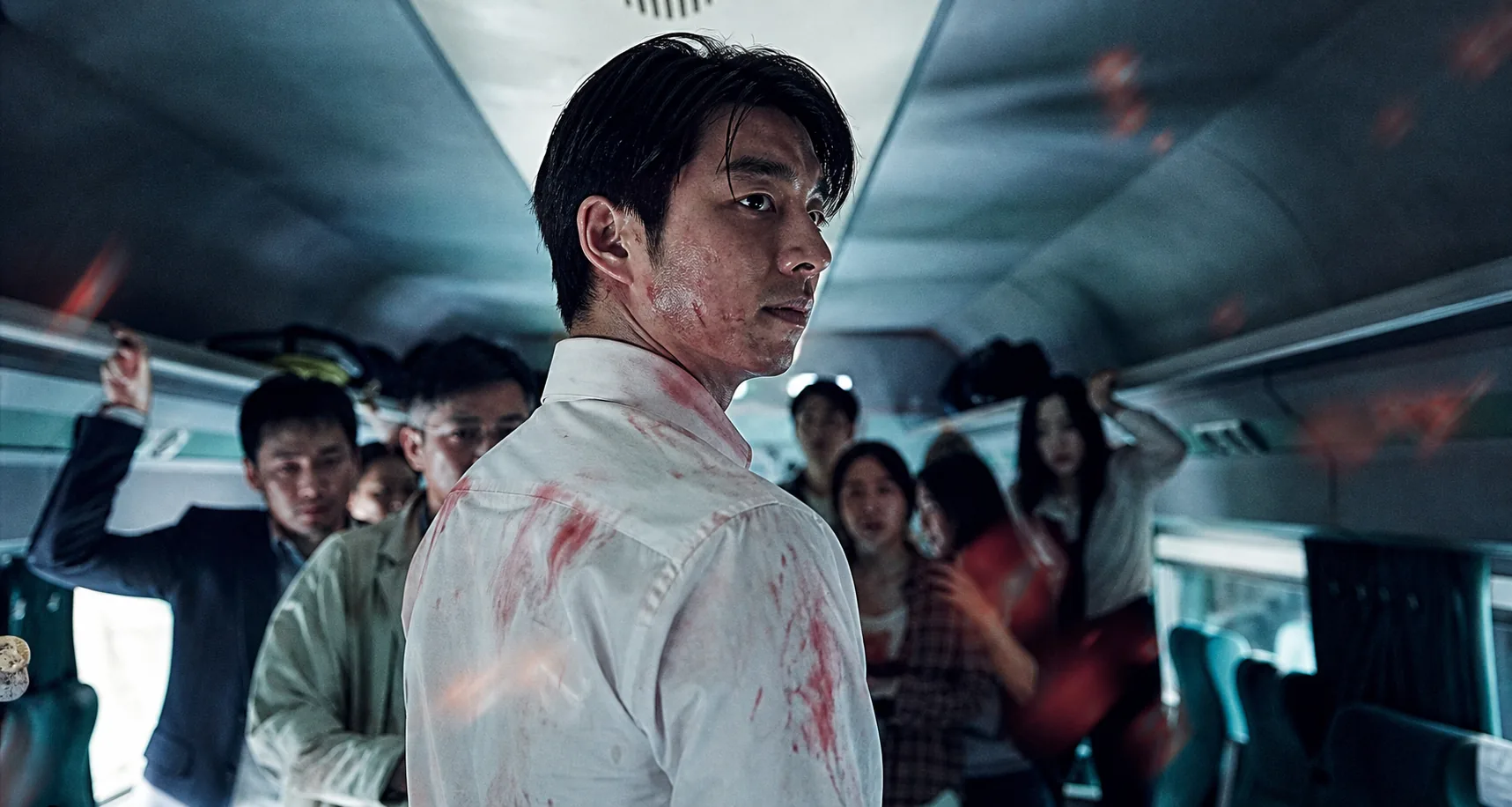
A Decade Later, The Train Is Still Moving
The anniversary campaign also underscores how much Yeon Sang-ho’s world expanded after the original film. Train to Busan was followed by the animated prequel Seoul Station and the standalone sequel Peninsula, and the broader franchise continues to be discussed as part of Korean cinema’s modern genre identity. Even when later entries divided viewers, the original retained its status as the emotional and structural anchor.
For theaters, the rerelease offers more than nostalgia. Anniversary events have become a useful way to bring proven titles back to premium screens, especially when a film has gained new fans after its initial release. Train to Busan is well suited to that treatment because its set pieces are spatially clear, its emotional beats are broad without being vague, and its final stretch remains one of the most widely remembered endings in contemporary Korean genre cinema.
The rerelease will test how much theatrical demand remains for a film that many viewers already know well. But the decision to remaster it in 4K and send it back across multiple regions suggests confidence that the film’s core appeal has not faded. Ten years after departure, Train to Busan is being positioned less as a past hit than as a Korean cinema touchstone still capable of pulling audiences back into the carriage.



Join the Conversation
Log in to share your thoughts and join the conversation with other fans.