
Train to Busan Marks 10th Anniversary With 4K Global Theatrical Rerelease

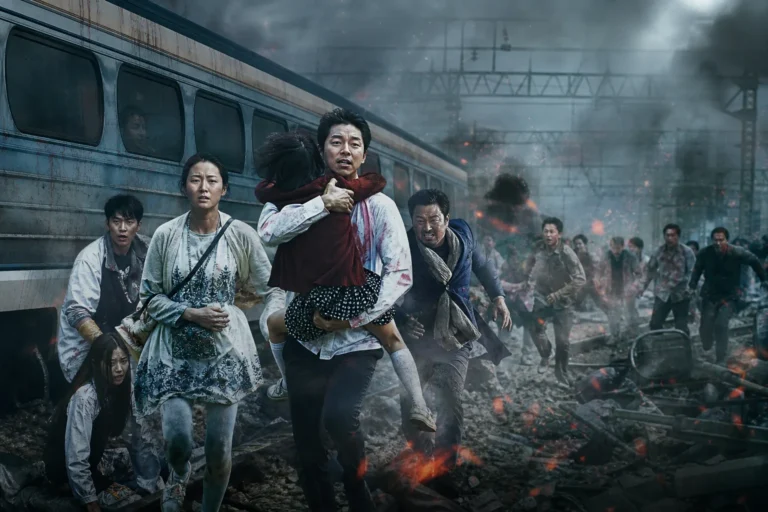
Train to Busan is returning to movie theaters for its 10th anniversary, with a 4K remastered version set for a staged international rerelease that underscores the film’s lasting place in Korean genre cinema.
The anniversary rollout is scheduled to begin in the Philippines on August 5, followed by North America on August 14, Japan on August 21, and Italy on September 2. Additional releases are being planned or coordinated for markets including Spain, Argentina, Bolivia, Chile, Ecuador, Peru, Venezuela, and Mexico. In North America, the rerelease is expected to reach more than 500 screens, giving the film a much broader theatrical footprint than its limited run there in 2016.
Directed by Yeon Sang-ho, Train to Busan follows passengers on a KTX train from Seoul to Busan as they fight to survive a rapidly spreading and mysterious viral outbreak. The film stars Gong Yoo, Jung Yu-mi, and Ma Dong-seok, and became one of the defining Korean commercial films of the 2010s by combining disaster-thriller mechanics, zombie horror, family melodrama, and a tightly contained train setting.
A Wider Return For A Korean Genre Milestone
The new theatrical campaign is built around a 4K remaster, a format intended to sharpen the film’s image quality and heighten the impact of its action and sound design. For a film remembered for claustrophobic compartments, rushing platform escapes, and a relentless sense of forward motion, the remaster gives distributors a clear reason to bring audiences back into cinemas rather than positioning the anniversary only as a streaming or home-video event.
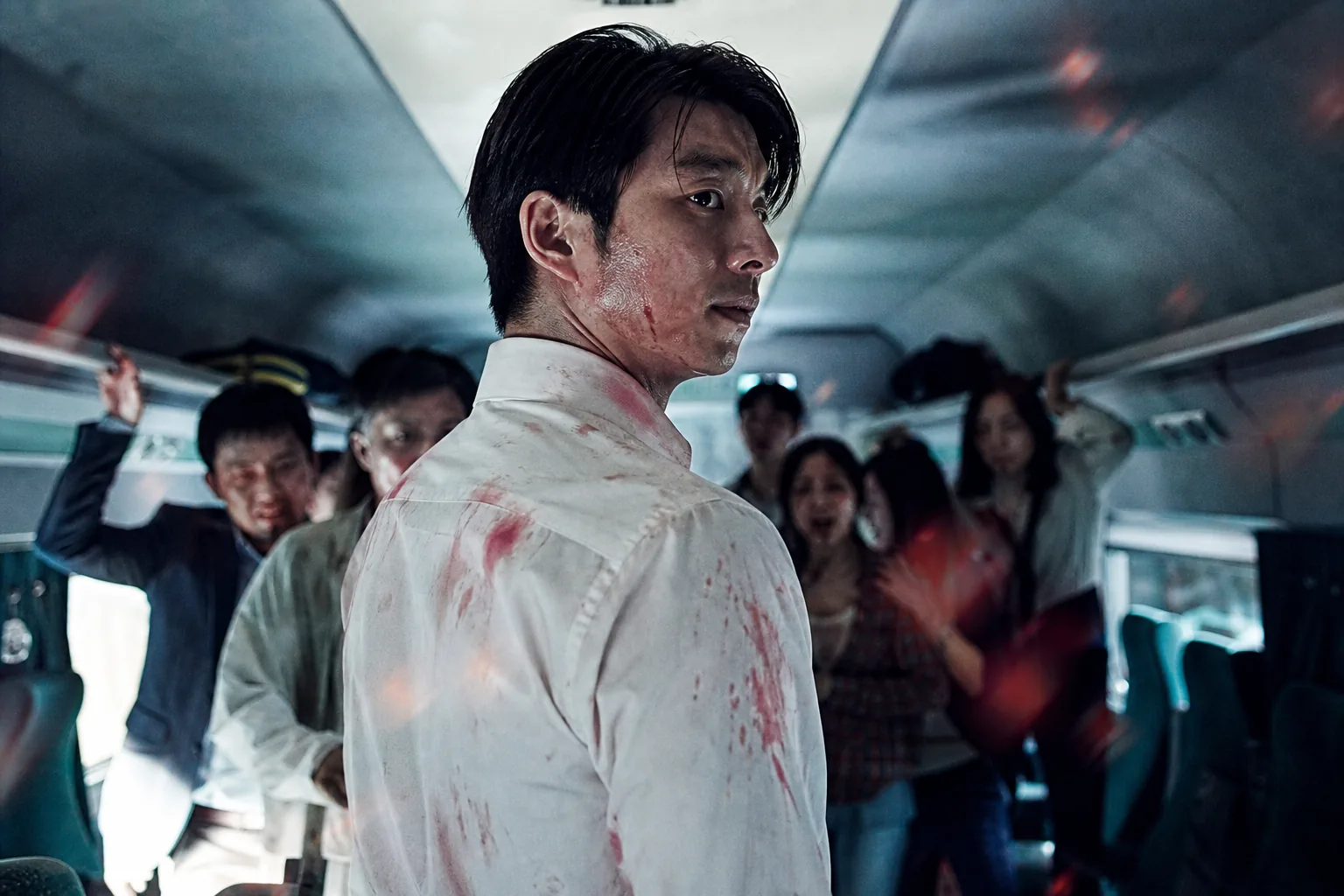
The expanded North American plan is especially notable. When Train to Busan first reached that market in 2016, it played more narrowly, even as word of mouth grew among genre fans and Korean cinema followers. A rerelease across more than 500 theaters signals a different level of confidence in the film’s recognition value and in the broader audience for Korean-language genre titles.
The anniversary also arrives at a moment when international viewers are more accustomed to seeing Korean films and series circulate widely. The global success of Korean dramas, thrillers, and pop culture exports has changed the context around a film that was already ahead of that curve. In 2016, Train to Busan was often discussed as proof that a Korean commercial thriller could travel without losing the emotional directness of its local story. Ten years later, its return feels less like a test case and more like a celebration of a film that helped expand those expectations.
Why Train To Busan Still Travels
Part of the film’s durability comes from its simple premise. A train full of passengers becomes a moving pressure chamber, forcing strangers, families, and workers into decisions that reveal character under stress. The viral threat gives the film speed, but the emotional stakes come from its human relationships, especially the tension between self-preservation and responsibility to others.
That structure made the film accessible to audiences beyond Korea. Viewers did not need detailed cultural background to understand the fear of being trapped, the panic of a public emergency, or the anguish of trying to protect a child in a collapsing situation. At the same time, the KTX setting, social hierarchies among passengers, and urban-to-regional route gave the story a specifically Korean texture that helped distinguish it from many Western zombie films.
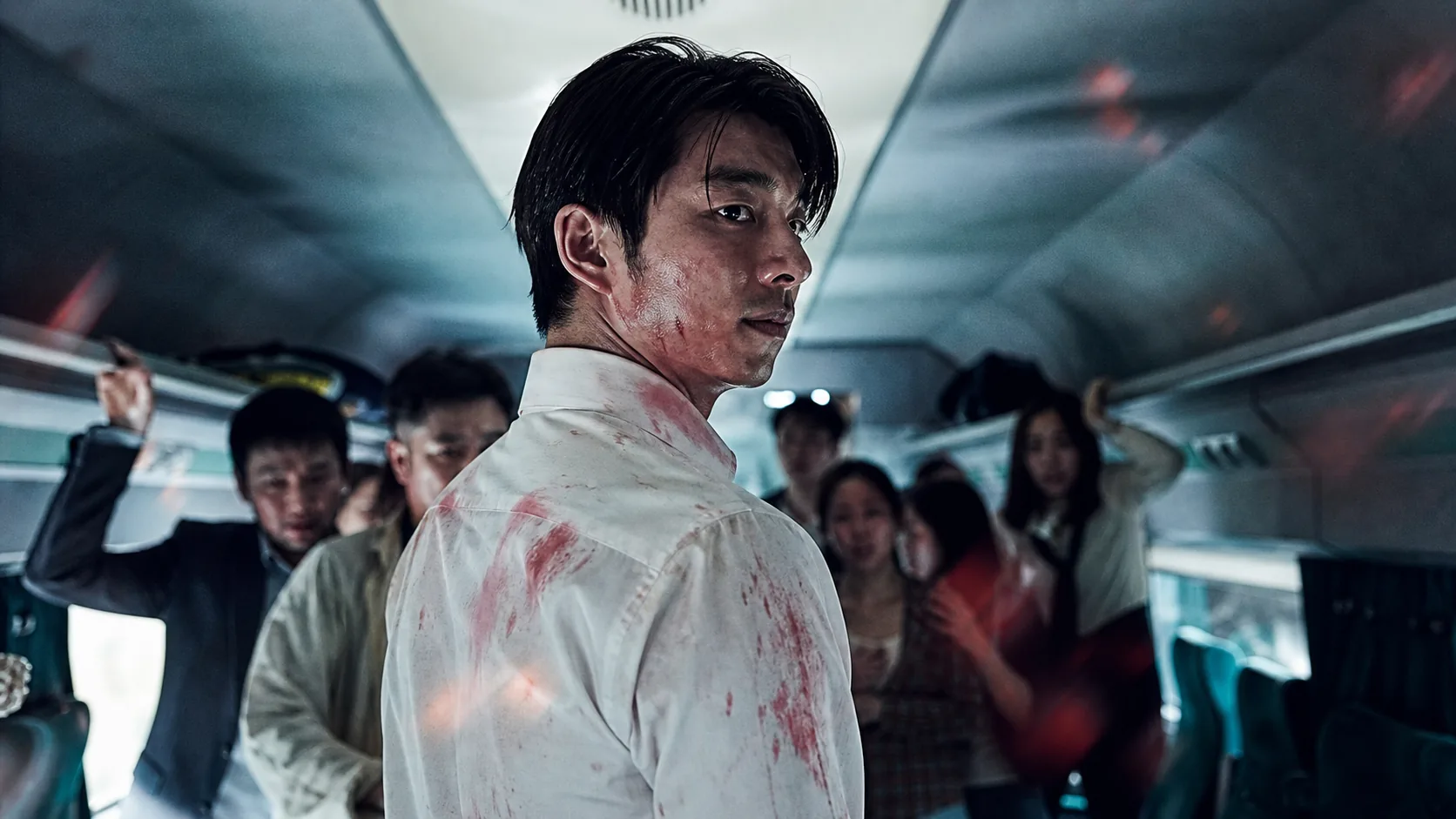
The movie’s festival history also remains central to its reputation. Train to Busan screened in the Midnight Screenings section at the Cannes Film Festival in 2016, giving it an early international platform before its commercial performance confirmed its mass appeal. It went on to draw more than 10 million moviegoers in South Korea, a benchmark that placed it among the country’s major box-office successes.
Its legacy has since extended beyond the original film. The success of Train to Busan strengthened the global shorthand of the K-zombie label and helped make Korean genre storytelling a more visible part of international cinema conversations. It also reinforced Yeon Sang-ho’s position as a filmmaker whose work could bridge animation, horror, action, and social commentary.
An Anniversary Framed For The Big Screen
The decision to bring the film back in 4K suggests that the anniversary is being treated as more than a nostalgia marker. The rerelease is a chance to reintroduce the film to viewers who discovered it later on smaller screens and to give longtime fans a version closer to the scale of its original theatrical design.
For Korean cinema, the global rerelease is another reminder that export value is not limited to new titles. A decade after its debut, Train to Busan still has enough recognition to anchor a multi-market theatrical campaign. That staying power is the clearest argument for why the film remains important: it is not only remembered as a hit, but still being positioned as an event audiences may want to experience together in a theater.



Join the Conversation
Log in to share your thoughts and join the conversation with other fans.