
YouTuber Indicted Over Claims Kim Soo Hyun Caused Kim Sae Ron’s Death, Accused of Fabricating AI Audio

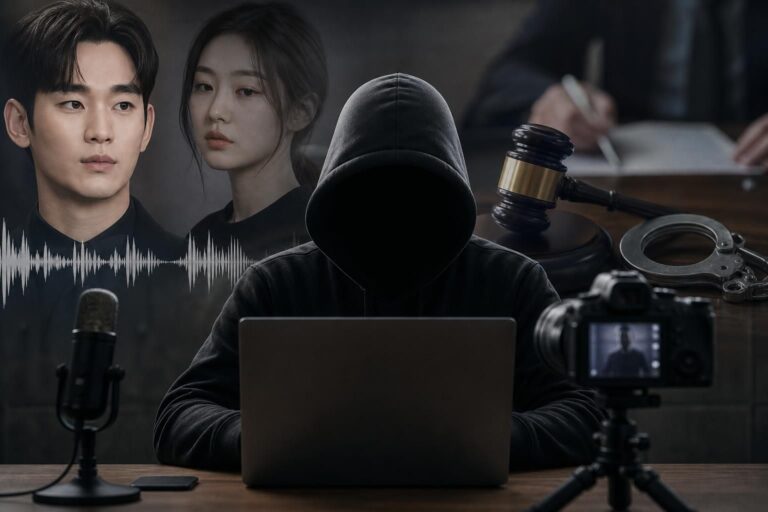
A prominent South Korean YouTube creator, Kim Se Ui—head of the “Garo Sero Research Institute”—has been arrested and indicted over allegations he spread false information accusing actor Kim Soo Hyun of being linked to the death of late actress Kim Sae Ron. Prosecutors said the claims were propagated through YouTube and other channels, including assertions that Kim Soo Hyun had been in a relationship with Kim Sae Ron while she was a minor and that financial pressure from the actor contributed directly to her death.
According to coverage reported by Kyunghyang and summarized by Koreaboo, the Women’s and Children’s Crime Investigation Division 2 of the Seoul Central District Prosecutors’ Office indicted Kim Se Ui on June 23 while he was in custody. The indictment includes charges under South Korea’s Information and Communications Network Act as well as violations related to the Sexual Violence Punishment Act and Stalking Punishment Act.
Indictment focuses on knowingly spreading allegedly false claims
Prosecutors’ case centers on what they characterize as deliberate dissemination of misinformation. Kim Se Ui allegedly asserted online—via livestreams and edited materials—that Kim Soo Hyun had been romantically involved with Kim Sae Ron when she was underage, and that the actor’s alleged financial demands forced Kim Sae Ron into debt-related pressure that contributed to her death.
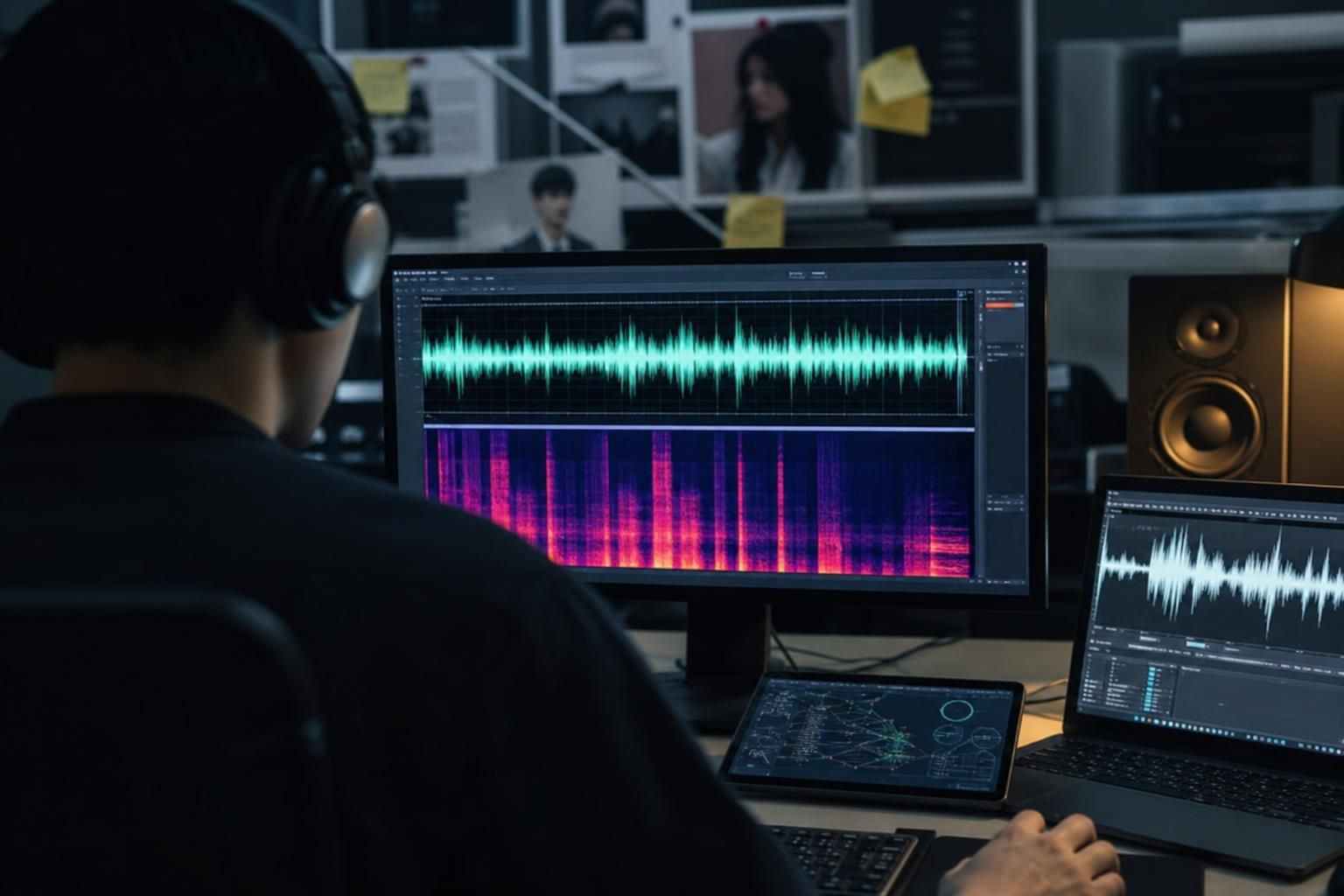
Investigators reportedly sought evidence not only through content review, but also via victim interviews and forensic analysis of audio recordings. The investigation concluded that the creator had edited materials in a misleading way and promoted claims without basic fact-checking, according to the reporting.
The prosecution also described concerns that the creator broadcast content that violated privacy norms, including accusations that he circulated private photos of Kim Soo Hyun without consent. Prosecutors further said he threatened to release additional private material unless he received an apology.
Arrest warrant granted amid claims of evidence tampering and flight risk
Kim Se Ui previously denied all allegations. Still, an arrest warrant was granted after police applied for one on May 14. Prosecutors and investigators said the court found there was a risk that evidence could be destroyed or that the suspect might flee.
The reporting also indicates that prosecutors believed Kim Se Ui used AI-related techniques—or at minimum AI-enabled editing tools—to fabricate or alter audio evidence, including claims about Kim Sae Ron’s voice. The narrative described is that the creator produced recordings that suggested authenticity while the underlying editing and presentation were misleading.
Broader policy shift: higher penalties for intentional falsehoods on YouTube
Beyond this individual case, the indictment lands at a moment when South Korea is tightening enforcement against online misinformation. As noted in the Koreaboo report, a policy change beginning in July would allow courts to order larger damages for certain harmful falsehoods.
Under the planned shift, YouTube channels with more than 100,000 subscribers that intentionally distribute false information could be ordered to pay up to five times the damages suffered by victims. Legal experts have argued that the combination of criminal liability and amplified civil penalties is intended to deter creators from weaponizing the speed and reach of platform-based distribution.
What happens next in the case
With the indictment now issued, the matter will proceed through South Korea’s judicial process. If the court accepts prosecutors’ claims that the defendant knowingly spread false information and engaged in privacy violations, Kim Se Ui could face consequences under multiple statutes referenced in the indictment.
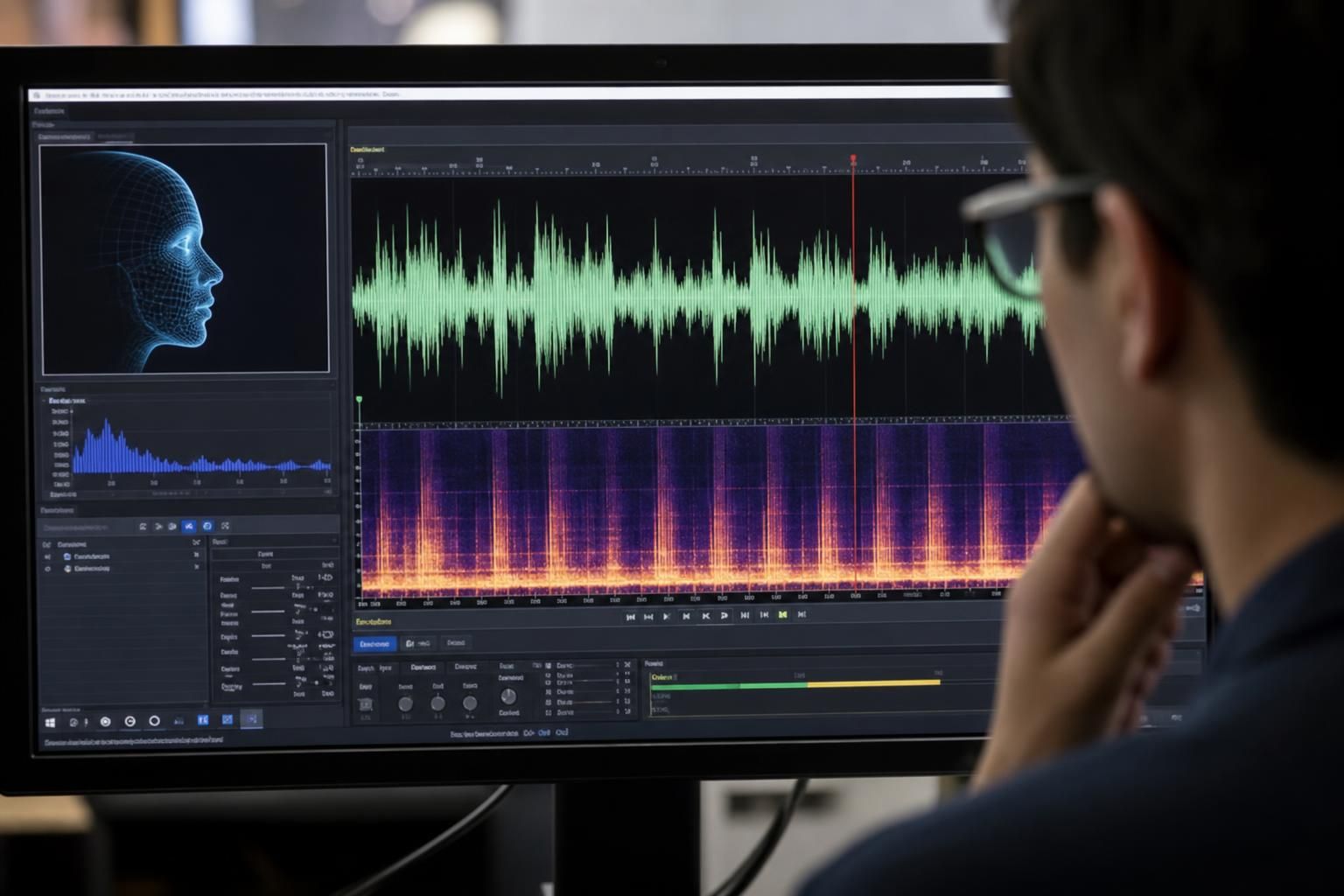
For the entertainment industry and online communities alike, the case also raises the practical question of how courts will evaluate edited digital media, especially when audio or other materials are presented as authentic. The reporting suggests forensic review played a central role, and future outcomes may influence evidentiary standards in similar disputes over manipulated content.
Why the ruling could change online behavior
The broader impact may be less about any single creator and more about setting expectations: online allegations that target public figures—particularly when tied to major tragedies—can trigger both criminal prosecution and expanded civil exposure, especially if platforms are treated as distribution vectors for demonstrably false content.
As the case moves forward, observers will likely watch for how the court weighs intent, the degree of factual verification (or lack thereof), and the legal treatment of AI-enabled or otherwise altered media. With South Korea preparing stricter damages rules for high-subscriber creators, the legal system may be signaling that misinformation campaigns can no longer rely on the assumption that amplification alone will insulate them from serious consequences.



Join the Conversation
Log in to share your thoughts and join the conversation with other fans.
Reading this made me pause a bit. Hope things move in a better direction from here.