
Cha In-pyo Turns His Theatre Debut Into a “Second Act,” 36 Years After First Sitting in the Audience

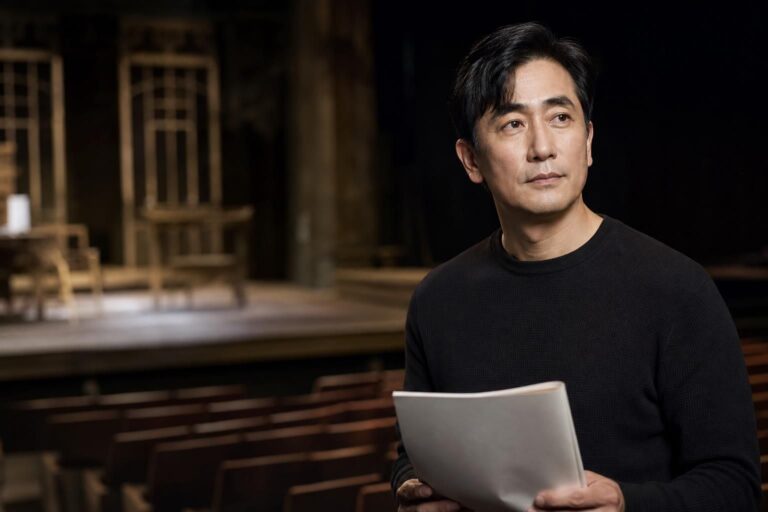
South Korean actor Cha In-pyo is stepping onto the theatre stage for the first time in his career, marking a deliberate “return” to the craft after decades in screen and drama work. In a report published by Kyunghyang Shinmun, the 36-year span between his first experience in an audience and his current debut as a performer is framed as more than trivia—an indication that his motivations for this project run deeper than a routine career pivot.
The production—based on Dead Poets Society’s core premise as discussed in coverage—has highlighted Cha’s first-ever move from acting on camera to taking on live stage performance, where timing, presence, and audience connection are immediate and unforgiving. While the entertainment news cycle often treats such transitions as promotional moments, Cha’s remarks suggest a more reflective approach, anchored in a question he says has stayed with him for years: “What is the poem of your life?”
From audience member to stage performer
According to the Kyunghyang Shinmun report, Cha described how the theatre experience has “followed” him since his early days—specifically recalling the moment he sat among the audience 36 years ago. That memory, he said, has remained “engraved,” gradually turning into an internal prompt rather than a simple admiration for stagecraft.
The significance of the timeline is that Cha is not portraying this debut as the inevitable next step for a veteran actor. Instead, his comments present it as a delayed but intentional fulfillment: a chance to respond to the meaning of the work, not merely to the prestige of theatre. In other words, the debut is framed as personal convergence—when a long-held question meets the moment he can finally answer it in front of an audience.
A stage project shaped by reflection, not rote answers
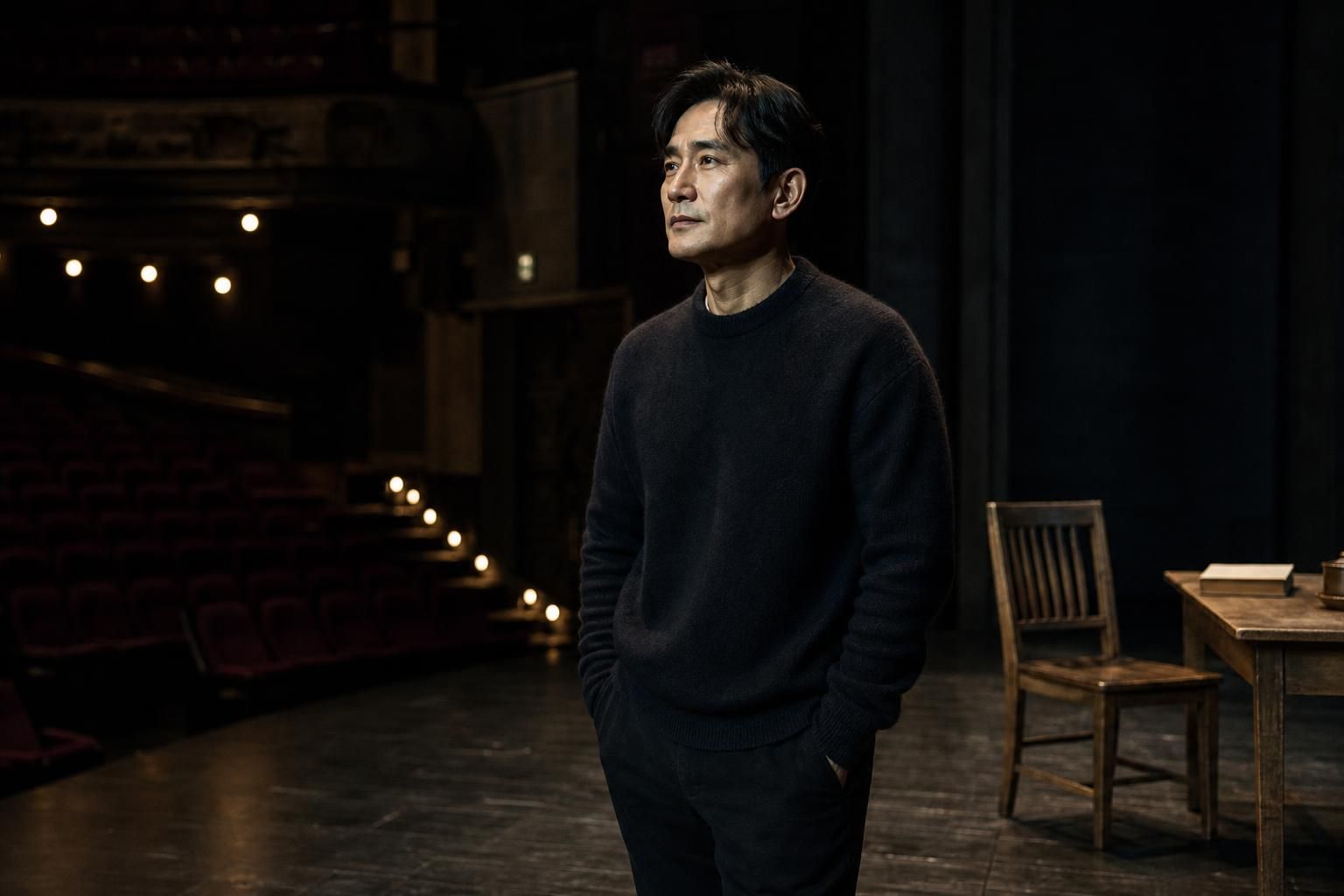
Coverage also suggests that the production places emphasis on the act of questioning rather than simply delivering solutions. Another line attributed to the Kyunghyang coverage contrasts the tendency of “answer-giving” with the more educational, human focus of asking better questions—often associated with the well-known classroom philosophy of the story’s original premise.
That distinction matters for understanding why Cha In-pyo’s casting and debut are being discussed beyond standard entertainment reporting. A screen actor’s work is typically mediated by editing and camera control; on stage, the performance must carry meaning without the same safety net. For a story built around inquiry and self-discovery, that makes Cha’s stated motivation—remembering the question for years—feel thematically aligned with the production itself.
In short, the debut is being positioned as a match between the performer’s personal narrative and the project’s central idea: that growth is less about being told what to think and more about learning how to think.
What Cha’s “first live role” could signal for Korean theatre
Cha In-pyo is among Korea’s best-known actors, a factor that can be consequential for theatre in a market where stage projects often rely on consistent word-of-mouth and niche demand. When high-profile screen talent crosses into theatre, it can broaden audience reach—especially among viewers who might not otherwise buy tickets for a live production.
However, the public expectation for celebrity-led theatre debuts is often split: some want the spectacle of recognition, while theatre regulars watch closely for signs of craft—vocal projection, physical staging, and an ability to sustain a role without camera edits. Cha’s own framing, centered on long-term reflection and the memorability of questions, may be a clue to how he plans to meet that standard: treating the role as work that requires presence rather than a cameo on stage.
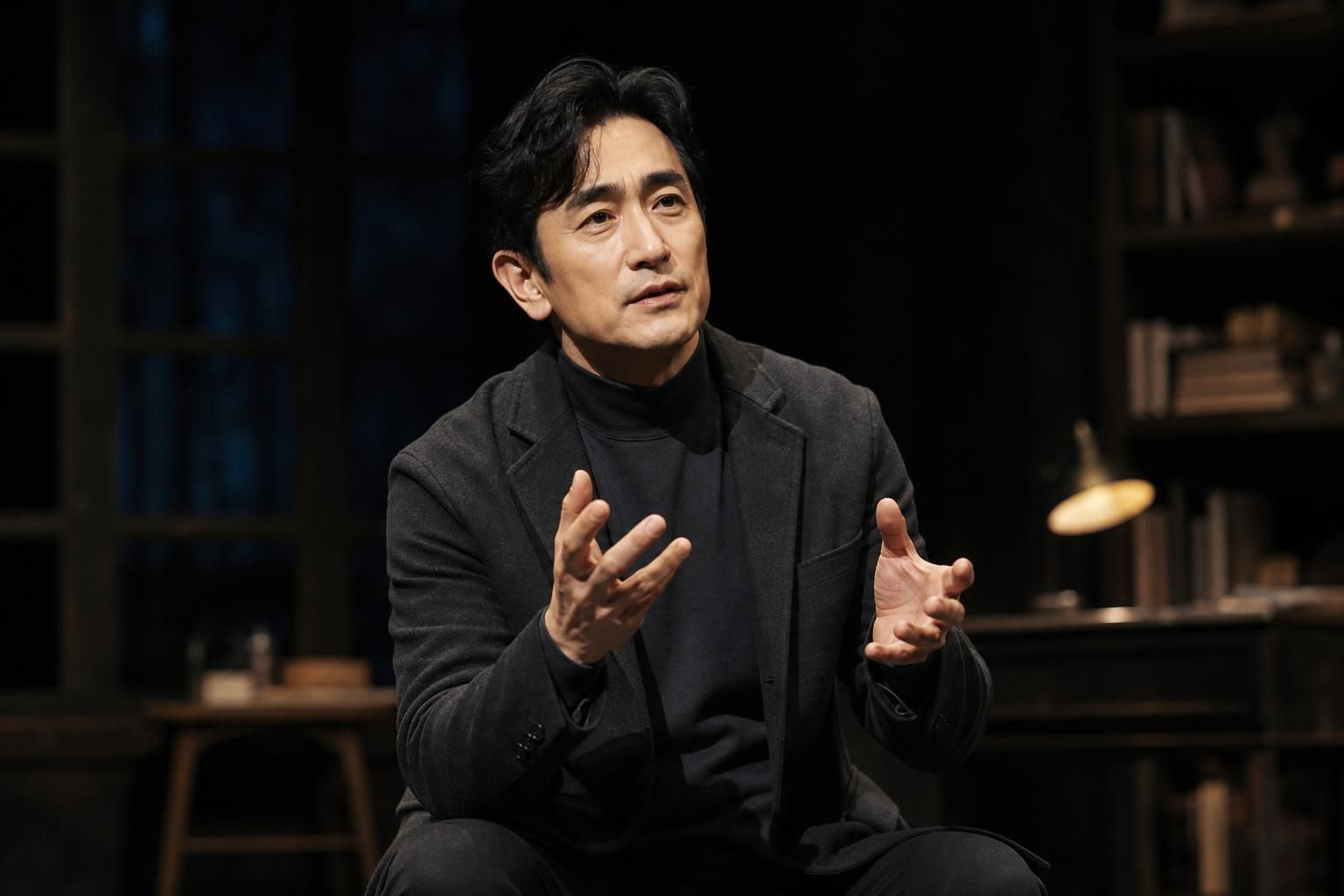
There is also an implied message for the broader industry. If a veteran actor describes theatre as meaningful enough to wait decades for, it supports the idea that stage performance remains a distinct artistic arena—not just a detour from screen fame.
Fans and audiences will watch for how he handles immediacy
While specific production details (such as cast lists, run dates, and role names) were not included in the portion of coverage available through the digest item, the narrative focus remains clear: this is Cha In-pyo’s first time acting on stage, and his prior experience will be tested by live performance dynamics.
For audiences, the key variable will be immediacy—how naturally he connects, how effectively he paces dialogue in real time, and whether the emotional arc reads clearly without cinematic emphasis. For industry observers, the question is whether Cha’s debut encourages other screen actors to approach theatre with the same seriousness rather than as an occasional brand exercise.
What’s next
As the production begins and reviews and audience reactions accumulate, the spotlight is likely to shift from “first theatre debut” headlines to whether Cha’s stage work sustains the role beyond opening-week curiosity. Early feedback—particularly from theatre-focused outlets and repeat-goers—will be watched for signs of long-term viability, not just initial publicity.
For Cha In-pyo, the next phase is straightforward but demanding: to convert decades of screen acting experience into something that resonates in the theatre’s immediate rhythm. If his motivation holds—his own described respect for the question at the heart of the story—his debut could be remembered less as a novelty and more as a genuine second act.



Join the Conversation
Log in to share your thoughts and join the conversation with other fans.