
Why K-Arts’ 2010 Acting Class Became a Korean Entertainment Standout

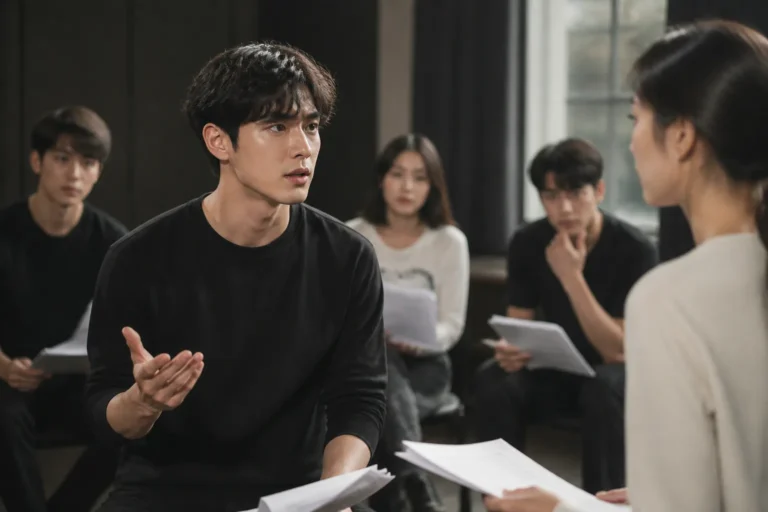
The 2010 acting class at the Korea National University of Arts has acquired an unusual reputation in Korean entertainment. Its alumni include performers who later became leading figures in film, television and musical theater, creating a concentration of recognizable careers within a single university cohort.
Often called K-Arts, the institution was established in 1993 by South Korea’s Ministry of Culture, Sports and Tourism. It is the country’s only national arts university. Across its history, it has trained many working artists, but the 2010 intake stands out because so many classmates went on to build sustained public careers.
Film breakthroughs shaped the class’s profile
Kim Go Eun made her official acting debut while still attending university, appearing in the 2012 film Eungyo. Her later work crossed formats and genres, with the drama Guardian: The Lonely and Great God becoming a major turning point. Her subsequent credits include the films Exhuma and Love in the Big City, along with the series Yumi’s Cells and The Price of Confession.
Park So Dam also began building experience before graduation, working in independent cinema during her student years. She received wider attention through the 2015 film The Silenced, then reached an international audience as part of the cast of the 2019 Oscar-winning black comedy Parasite. After stepping away from acting for cancer treatment, she returned to the screen with Death’s Game.
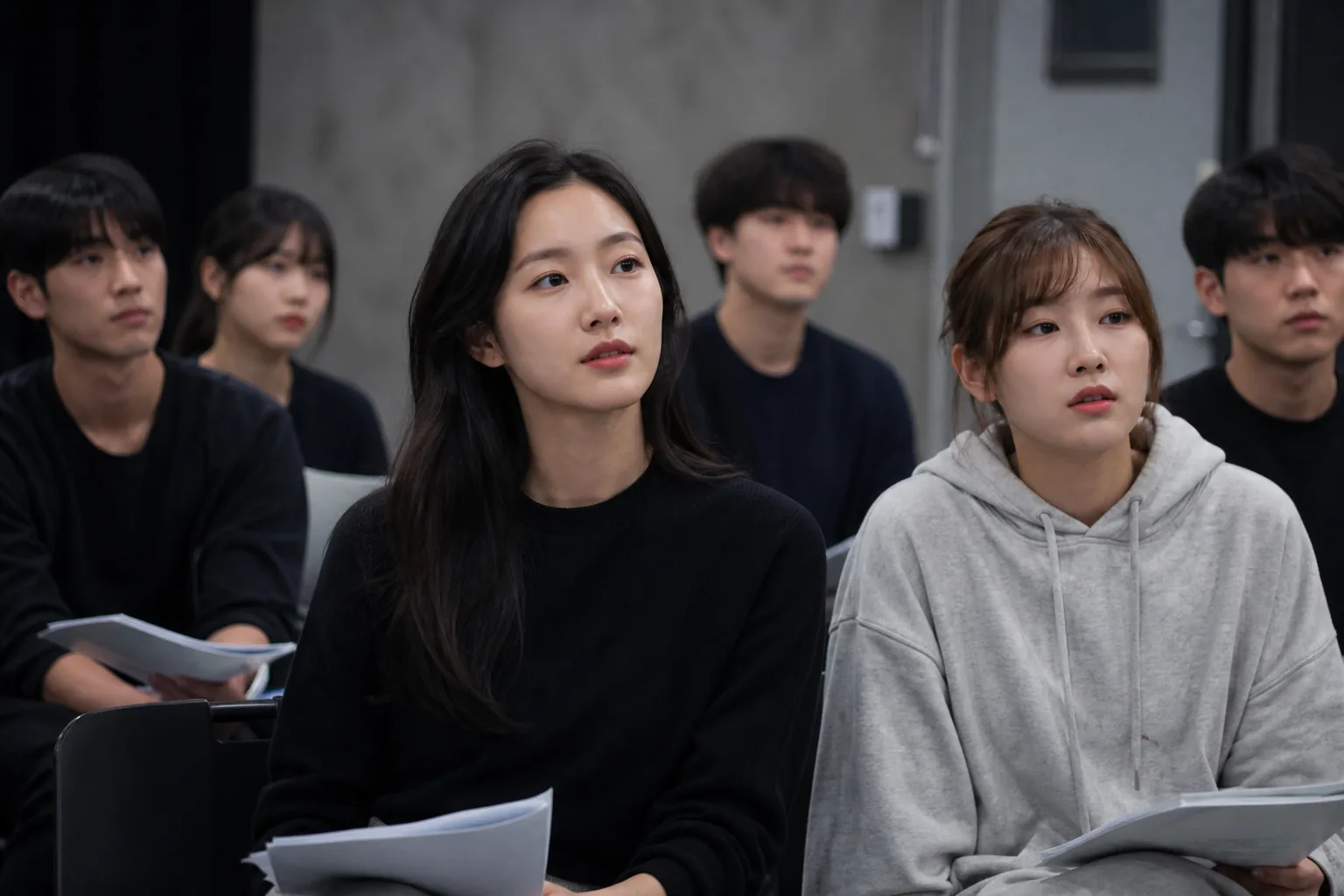
Those two careers alone would make the cohort notable, but they are part of a much broader list. Their paths also show that the class’s reputation was not created by one shared project. Recognition accumulated through separate roles, industries and release periods over more than a decade.
Television created additional breakout careers
Ahn Eun Jin first drew broad attention through her supporting performance in Hospital Playlist, which aired from 2020 to 2021. She later moved into central roles in dramas including The Good Bad Mother and My Dearest, establishing a career trajectory that developed steadily rather than through an immediate post-university breakthrough.
Lee Sang Yi spent years working in musical theater before gaining a major television opportunity in Once Again. His profile expanded through appearances in Hometown Cha-Cha-Cha and Bloodhounds. That combination of stage training and screen work reflects the range found within the class rather than a single route into celebrity.
Cha Seo Won began appearing in dramas in 2013 and reached a larger audience with the 2022 series The Second Husband. His credits also include Park Chan Wook’s film Decision to Leave and the 2026 drama The Wonderfools, giving him experience across daily television, feature film and contemporary series production.
Stage and independent work deepen the roster
Kim Sung Cheol began professionally in musical theater, debuting in the 2014 production Puberty. He continued performing in musicals before making his television debut in Prison Playbook in 2017. His path reinforces the class’s connection to live performance as well as screen acting.
Lee Yoo Young started her career in 2012 while still at university. Her early credits included the short film Flowers Do Not Wither and seven additional short films before her feature debut. She continued to build a filmography around critically recognized projects, with Pro Bono among her more recent works.
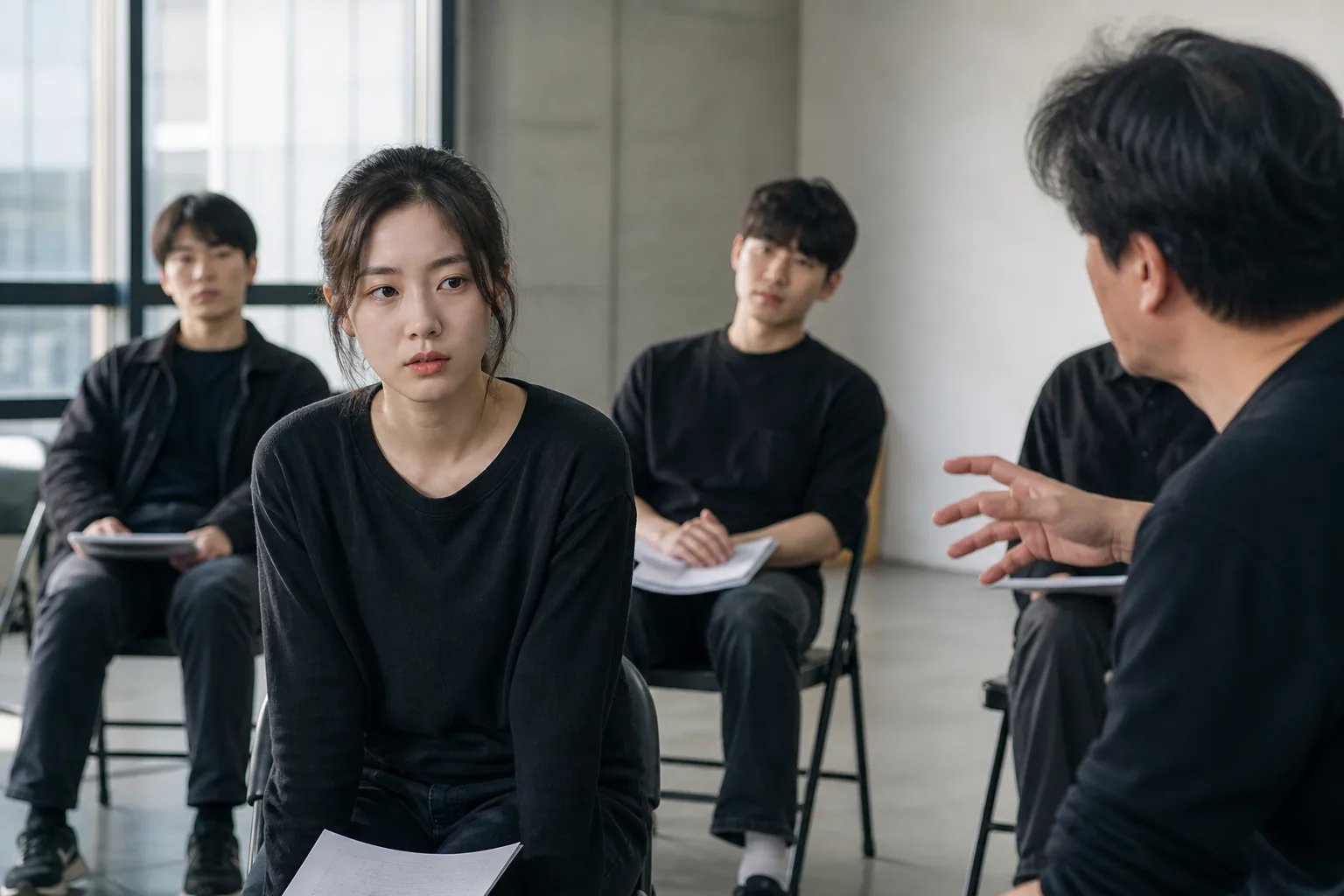
Stage actor Lee Hw Jong and television actor Lee Seo Jun are also identified with the same 2010 class. Their inclusion pushes the cohort beyond the seven alumni most commonly highlighted and shows why the group is remembered as a batch rather than merely a handful of famous classmates.
A reputation built over time
The word legendary is an informal label, not an academic measurement. In this case, it describes the retrospective effect of seeing multiple students from one entry year succeed independently. Some found recognition almost immediately, while others spent years in supporting parts, theater or smaller productions before reaching a wider audience.
That difference in timing is central to the class’s story. The 2010 cohort was not defined by a single graduation-year phenomenon; its reputation grew as alumni accumulated distinct breakthroughs across the 2010s and 2020s. The result is a rare university roster whose members now connect several major strands of modern Korean entertainment.


Join the Conversation
Log in to share your thoughts and join the conversation with other fans.