
K-Pop Ticket Wars May Ease as Agencies Roll Out Domestic Fan Pre-Sales—and Fans Push Back

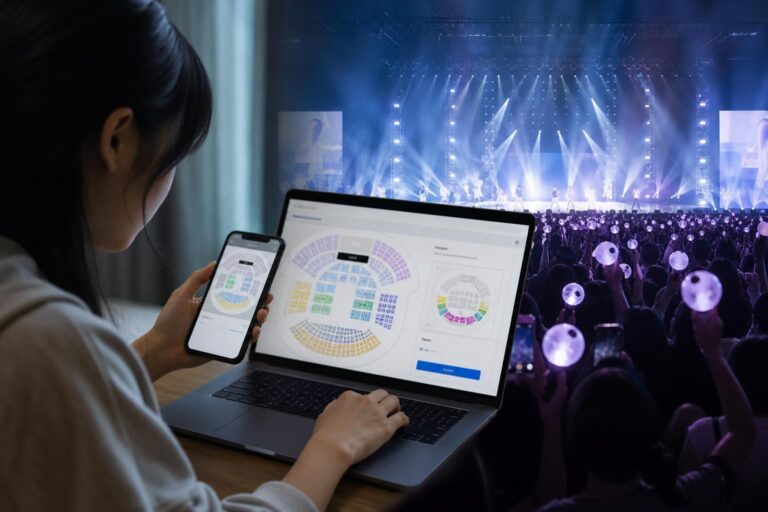
South Korean K-Pop agencies have begun prioritizing domestic fan club members with a new pre-sale ticketing system for concerts in Korea, a move that some observers say is aimed at reducing scalping and tightening controls around reservation access. But the change has also sparked backlash among both domestic and international fans, according to reports circulating in Korean fan communities. The system comes amid continued concerns about high-demand shows being swallowed by resellers—particularly across borders.
The latest controversy centers on the growing use of a “domestic fan club pre-sale” process, where eligible members within South Korea can access tickets earlier than the general public or certain overseas purchasing channels. While agencies frame the approach as a way to protect the concert-going experience for local supporters, critics argue it may amount to unequal access, or may not meaningfully stop resellers—especially when foreign demand remains high.
Why agencies are shifting to domestic-first pre-sales
Music critic Randy Seo highlighted two primary motivations behind the new system. First, he pointed to efforts to curb ticket scalping. Even if domestic scalpers exist, Seo argued that it is often harder to catch and punish overseas scalpers, meaning the reservation pipeline can be a weak point for enforcement. By narrowing who can reserve early, agencies may be attempting to reduce the pathways through which large quantities of tickets reach illegal resale markets.
Second, Seo said the policy appears designed to strengthen domestic fandom. In his view, agencies may be trying to reward the concert culture built inside South Korea, where demand is deeply tied to sustained fan engagement rather than short-term, opportunistic purchases.
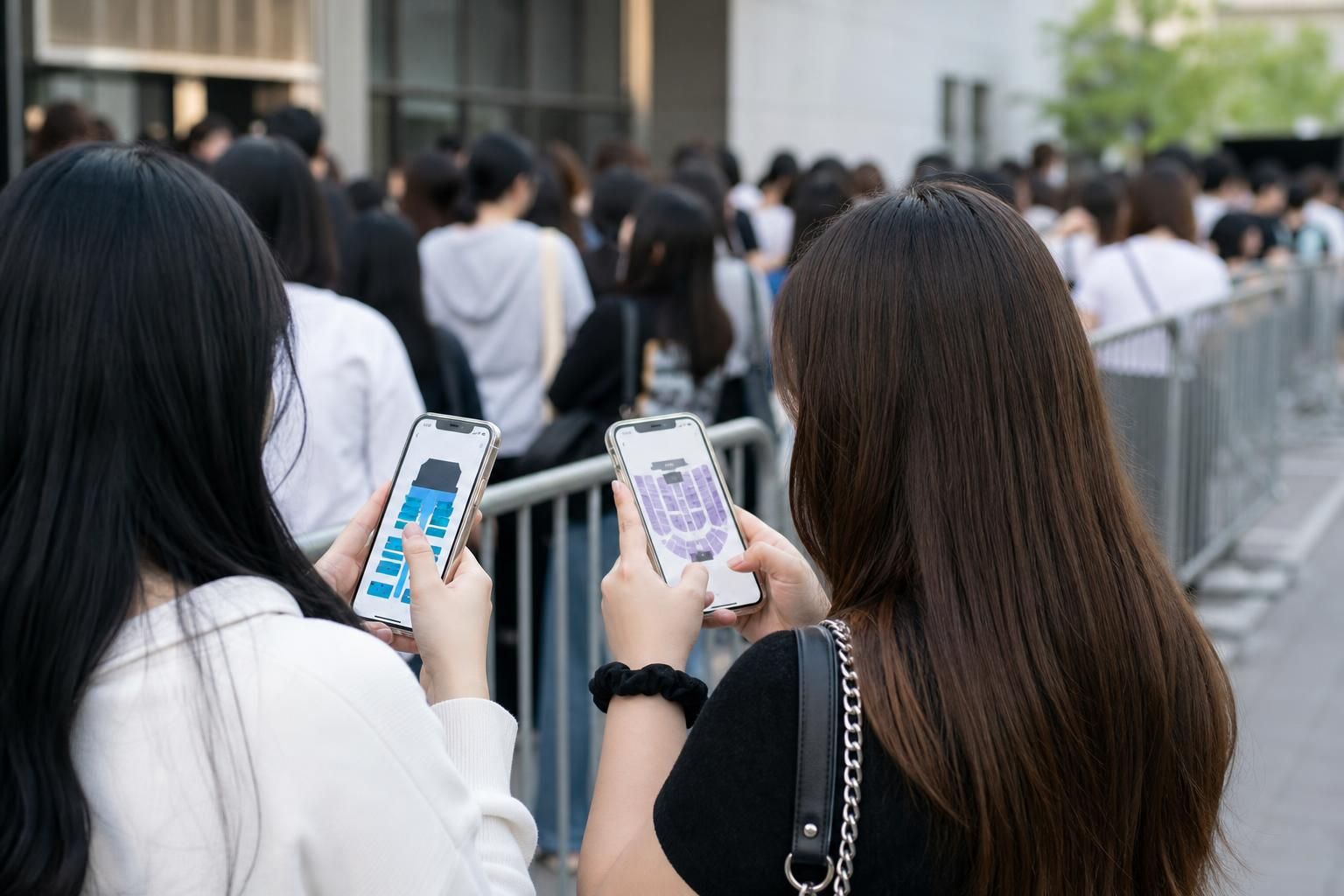
Another entertainment official, as cited in the report, offered a similar interpretation: the new approach reflects an assumption that domestic concerts should prioritize domestic audiences. However, the same reports stress that the decision could come with trade-offs—such as potentially reducing attendance from international visitors, even though “travel tourism” around concerts remains encouraged in practice.
Fans respond: “good for locals” vs. “scalpers find a way”
Reactions have been sharply mixed in Korean online discussions. Some netizens welcomed the shift, arguing that protecting domestic fans is a long-overdue step. Comments captured in the report include sentiments such as: “It’s a good thing if they are taking care of the domestic fans” and “No matter how much they try to hold onto international fans, if they lose the domestic fandom, the idol group will become a failure.”
Others, however, criticized the timing and effectiveness. Several responses questioned why the policy was not implemented sooner. There was also skepticism that domestic pre-sales alone can fully prevent scalpers, with at least some commenters claiming that foreign resellers can still “find a way” into the domestic pre-sale system. The division suggests a broader tension: fans want lower prices and fairer access, but they also worry about policies that may restrict legitimate international supporters without addressing the core resale infrastructure.
Still, supporters of the policy argued that the change could reduce scalping pressure even if it does not eliminate it entirely—especially if the system limits early purchasing windows and tightens eligibility checks.
What this could mean for the K-Pop ticket market
Ticket scalping has long been a flashpoint in the K-Pop ecosystem, where globalized fandom and cross-border demand can turn limited inventory into a high-margin resale market. By prioritizing domestic fan club membership, agencies appear to be pursuing a practical lever: controlling the earliest stages of ticket allocation where scalpers can often gain advantages.
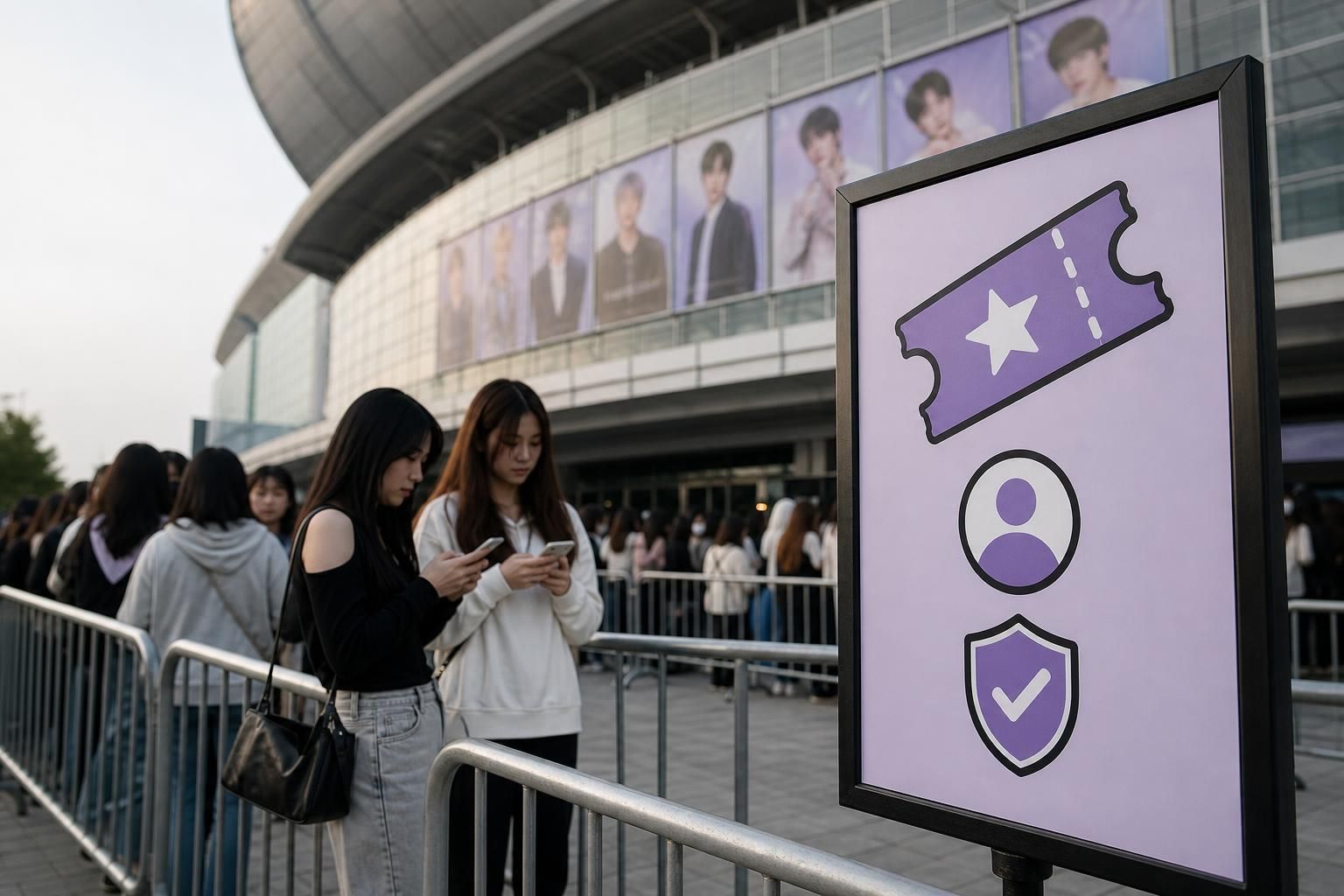
Yet the report also underscores a complicated reality for event organizers. As one implication, agencies may be attempting to balance two competing goals: maintaining international reach (which can support tourism and global visibility) while also preserving the trust of local fans. If domestic supporters feel consistently outbid, they may disengage—even if overseas demand remains strong.
For now, the key question is whether the new domestic-first pre-sale approach reduces resale volume and improves the odds for everyday fans. If it does not, agencies may face mounting pressure either to enhance eligibility verification, adjust allocations, or increase transparency around ticketing rules.
What to watch next
In the coming weeks, fans will likely watch for two indicators: changes in resale prices and availability patterns during pre-sales compared to prior ticketing cycles. If domestic fan club access leads to fewer “instant sell-out” situations—followed by resale listings—agencies may be encouraged to expand or standardize the policy.
Conversely, if the controversy continues or if commenters are proven right that scalpers can still penetrate domestic pre-sales, agencies may have to refine the system further—potentially through stronger identity matching, purchase restrictions, or revised allocations that address the root supply bottleneck. The outcome will shape not only future concerts but also how fans judge whether ticketing reforms are about fairness—or simply a new set of rules that changes who gets locked out.


Join the Conversation
Log in to share your thoughts and join the conversation with other fans.