
“World Cup Cheer” Drives a Surge in Convenience-Store Beer Sales in Seoul, Data Show

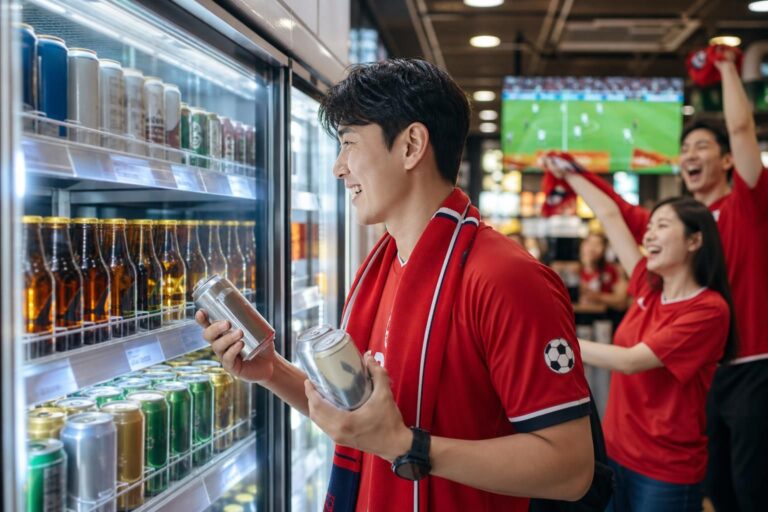
Seoul retailers are seeing a clear “World Cup cheer” effect this week, with convenience stores near major viewing areas reporting sharp jumps in beer and chicken sales as fans pack city streets. According to recent reporting based on sales tracking, beer demand around the World Cup has surged as much as sevenfold, while foot traffic near hotspots such as Gwanghwamun has spiked on both weekend and weekday viewing periods.
Beer and chicken become the default match-day combo
One widely cited trend is the way fans cluster food-and-drink purchases around matches. A headline from Yonhap News highlighted how sales of beer in convenience stores near Gwanghwamun rose dramatically during peak viewing times, with some locations reporting increases of up to 7x compared with baseline periods. The same coverage points to the pairing of beer with popular “chimaek” staples—fried chicken and beer—as a driving force behind the category lift.
In practical terms, convenience stores have become quasi “micro-viewing hubs,” where fans can quickly grab snacks and beverages without leaving the viewing area. The effect is visible not only on match days but also during periods when crowds gather for watching outside or in nearby venues.
Foot traffic concentrates near viewing hotspots
Beyond product categories, the bigger story may be geographic. Multiple reports in the digest reference crowd density around central Seoul, where match excitement pulls consumers into nearby retail corridors. One data point cited in coverage notes that on weekdays as well, the convenience-store “World Cup special” is detectable—specifically, sales near Gwanghwamun recorded a reported 3.8x increase for the relevant period.
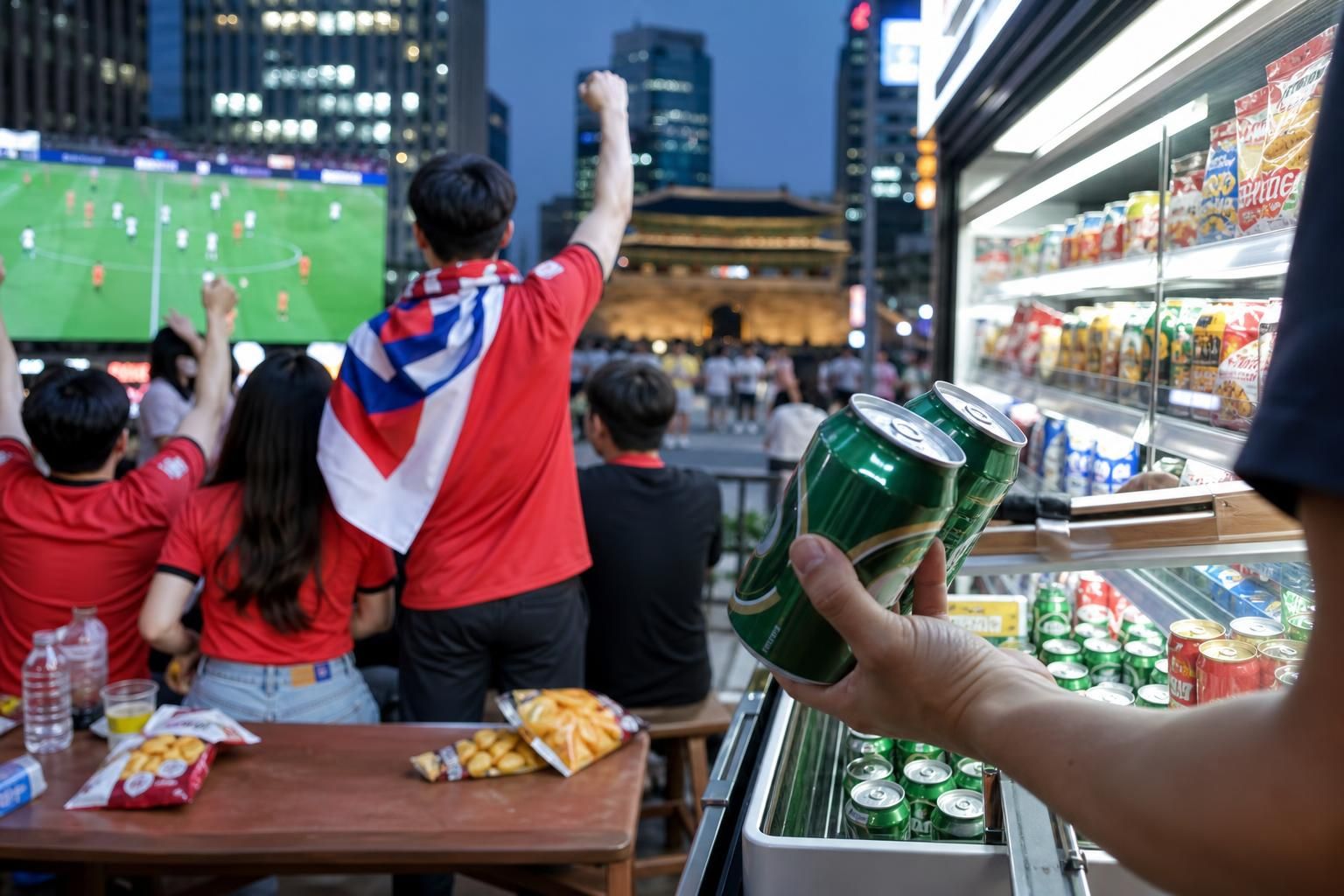
That matters for retailers because World Cup viewing behaviors are time-sensitive. Inventory planning, staffing, and replenishment schedules become crucial during the narrow windows when fans are most likely to purchase impulse items—beer, snacks, and heat-and-eat foods—right before or during key moments.
Broadcasting and digital platforms amplify the effect
The World Cup is not only driving offline consumer behavior; it is also intensifying competition among media channels and distribution partners for attention. In parallel with convenience-store sales, other outlets in the digest report strong performance indicators for match broadcasting and online viewing platforms. For example, coverage mentioning live-streaming and app-based viewing suggests that fandom is increasingly multi-screen: viewers split time between TVs, official streaming services, and internet communities, all of which can influence when consumers decide to go out and stock up.
For retailers, that means match schedules are effectively shaping the “retail calendar.” When viewership spikes, the retail spike follows—sometimes quickly enough that stores with better real-time forecasting can outperform those that refill too slowly.
Retailers face both opportunity and operational risk
While the sales jump signals opportunity, it also exposes weaknesses. Convenience stores must manage sudden demand swings, including risks of stockouts (especially for high-velocity items like beer) and waste from over-ordering. In hotly contested games or late-night match windows, stores can struggle to predict demand precisely because crowd intensity and viewing behavior vary by neighborhood and time.
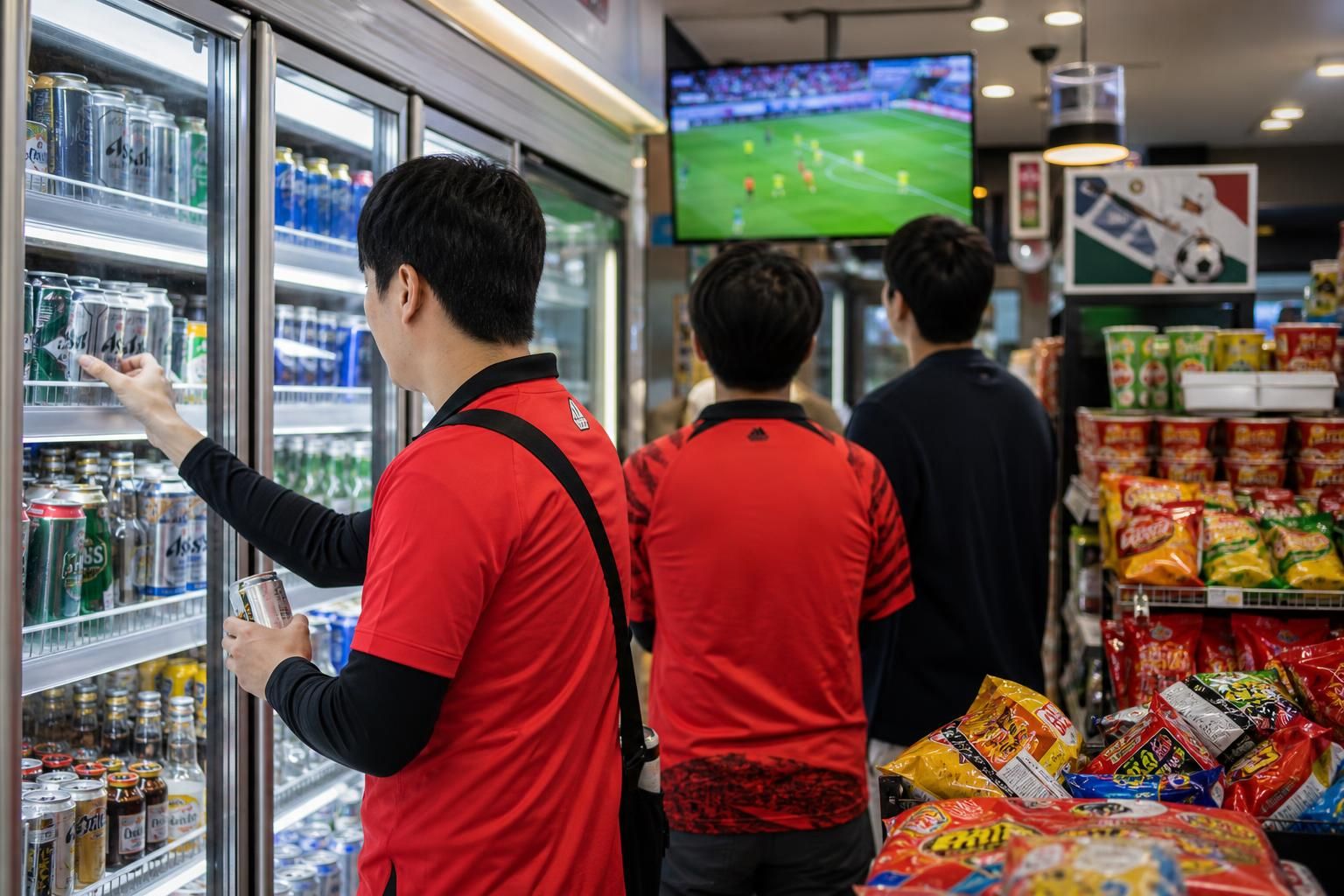
At the same time, retailers that can maintain inventory—paired with effective point-of-sale merchandising—can capture margin on impulse purchases. Match-day demand also tends to favor cross-category upsells: a customer buying beer may also grab snacks, disposable utensils, or additional beverages to share with friends.
What to watch next
As the tournament progresses, the key question is whether the sales curve stays elevated beyond the early “hype” phase. Retail performance will likely depend on match timing, the teams playing, and how crowds form around viewing hotspots. Stores close to transport hubs and major public squares may continue to see above-normal demand during high-stakes fixtures.
Separately, retailers and consumer analytics providers will be looking to refine the same-day forecasting models—tying sales signals to broadcast schedules and real-world foot traffic patterns—so that stocking and staffing can better match demand in future international events.
In short: the World Cup is acting as a short-term retail catalyst in Seoul, turning convenience stores into match-day supply centers and driving measurable spikes in beer and snack purchases.

![[fan meeting, music show, pre-recording] featured image - Korean Media Industry Watches “Weverse Pre-Record” Announcements as...](https://d1ycet1ctov4dv.cloudfront.net/wp-content/uploads/2026/06/25233143/fan-meeting-music-show-pre-recording-1782397901460-300x200.jpg)

Join the Conversation
Log in to share your thoughts and join the conversation with other fans.