

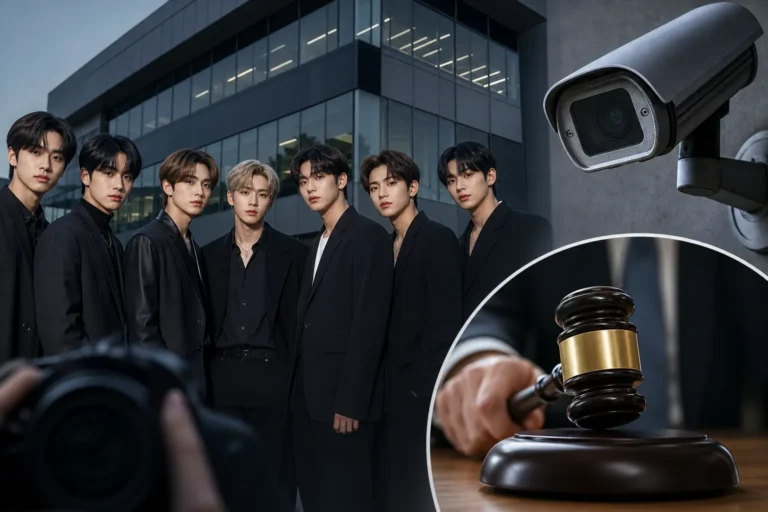
BELIFT LAB has issued a new update on its legal response to malicious online activity, stalking, and privacy violations targeting ENHYPEN, outlining a broader effort to protect the group both online and in offline spaces.
According to a June 30 statement reported by Soompi, the agency said it has continued to pursue legal action during the current quarter based on evidence gathered through internal monitoring and fan reports. The update named defamatory posts and malicious comments among the materials being reviewed, while also placing heavy emphasis on conduct that crosses into stalking or the exposure of private information.
The announcement arrives at a time when major K-pop agencies are increasingly treating artist protection as a recurring legal and operational issue rather than a one-time public relations response. For ENHYPEN, the statement frames the matter as both a rights issue and a safety issue, connecting online abuse with behavior that can affect the members’ daily lives, movements, and private spaces.
BELIFT LAB said its monitoring has covered major Korean portals, online communities, music platforms, and overseas social media channels. The agency credited fan reports as part of the evidence-gathering process, a detail that reflects how fandoms now often function as informal early-warning networks when harmful posts, rumors, or privacy breaches spread quickly across platforms.
Residence Stalking Case Moves Forward
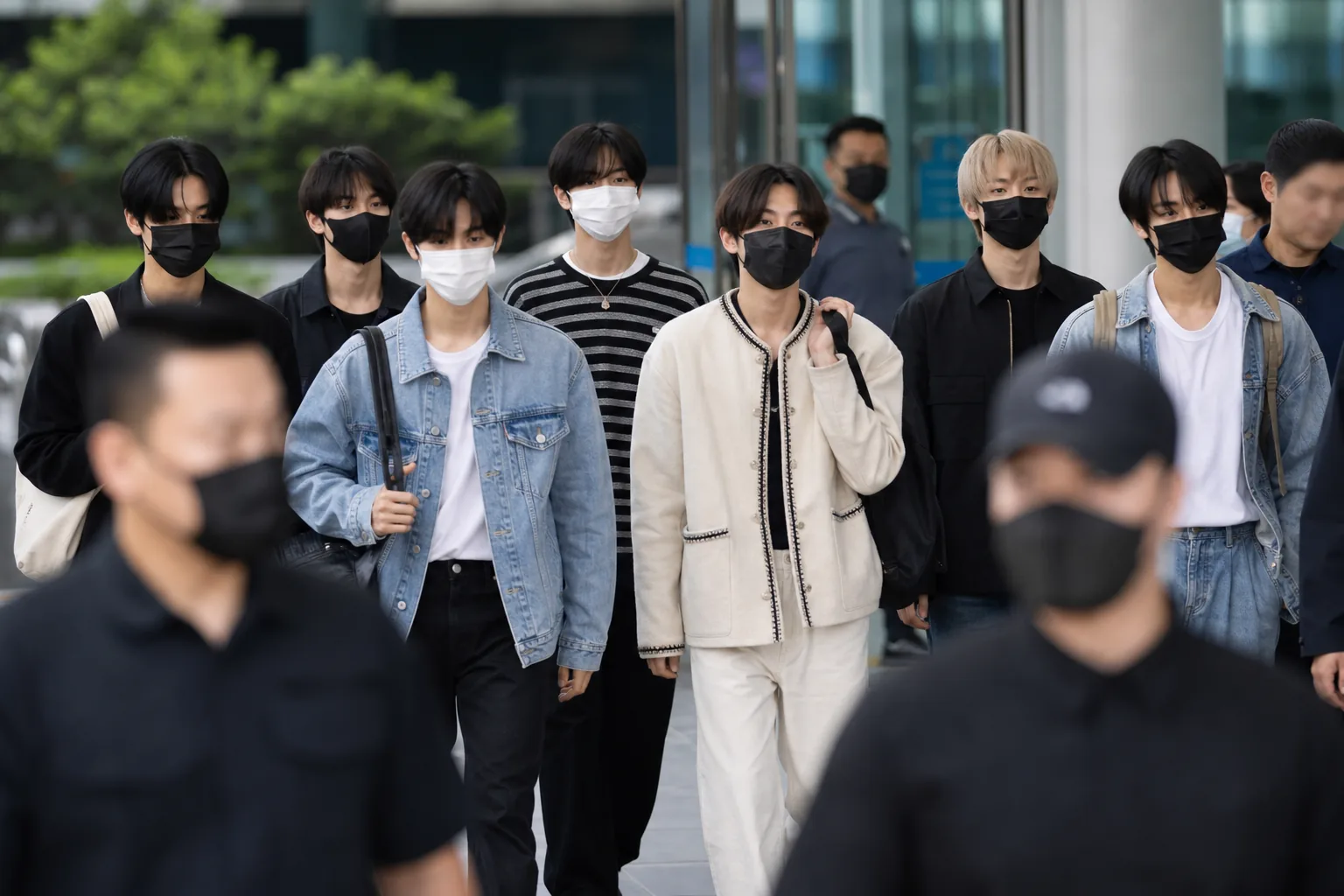
The most serious update involved a stalking incident from last year in which an individual allegedly entered ENHYPEN’s residence and secretly filmed the members. BELIFT LAB said the person responsible has been identified and that the case has been forwarded to prosecutors with a recommendation for indictment, with judicial proceedings now underway.
That disclosure moves the incident beyond a general warning and into a more concrete legal stage. While the agency did not release identifying details about the suspect, its statement indicated that it will continue cooperating with investigators and will seek strong punishment for actions that violate the artists’ rights or threaten their safety.
The agency also warned that conduct such as hiring drivers to follow artists to private schedules or trespassing into accommodations can constitute criminal behavior. In its statement, BELIFT LAB said even first-time offenders may face strict consequences, signaling that it does not intend to treat privacy violations as minor fan misconduct.
The broader message is clear: access to public performances, broadcasts, and fan events does not create permission to follow artists into private settings. For a group with an international fan base and a busy travel schedule, the boundary between public-facing promotion and private movement has become a critical point of enforcement.
Airports And Private Schedules Under Scrutiny
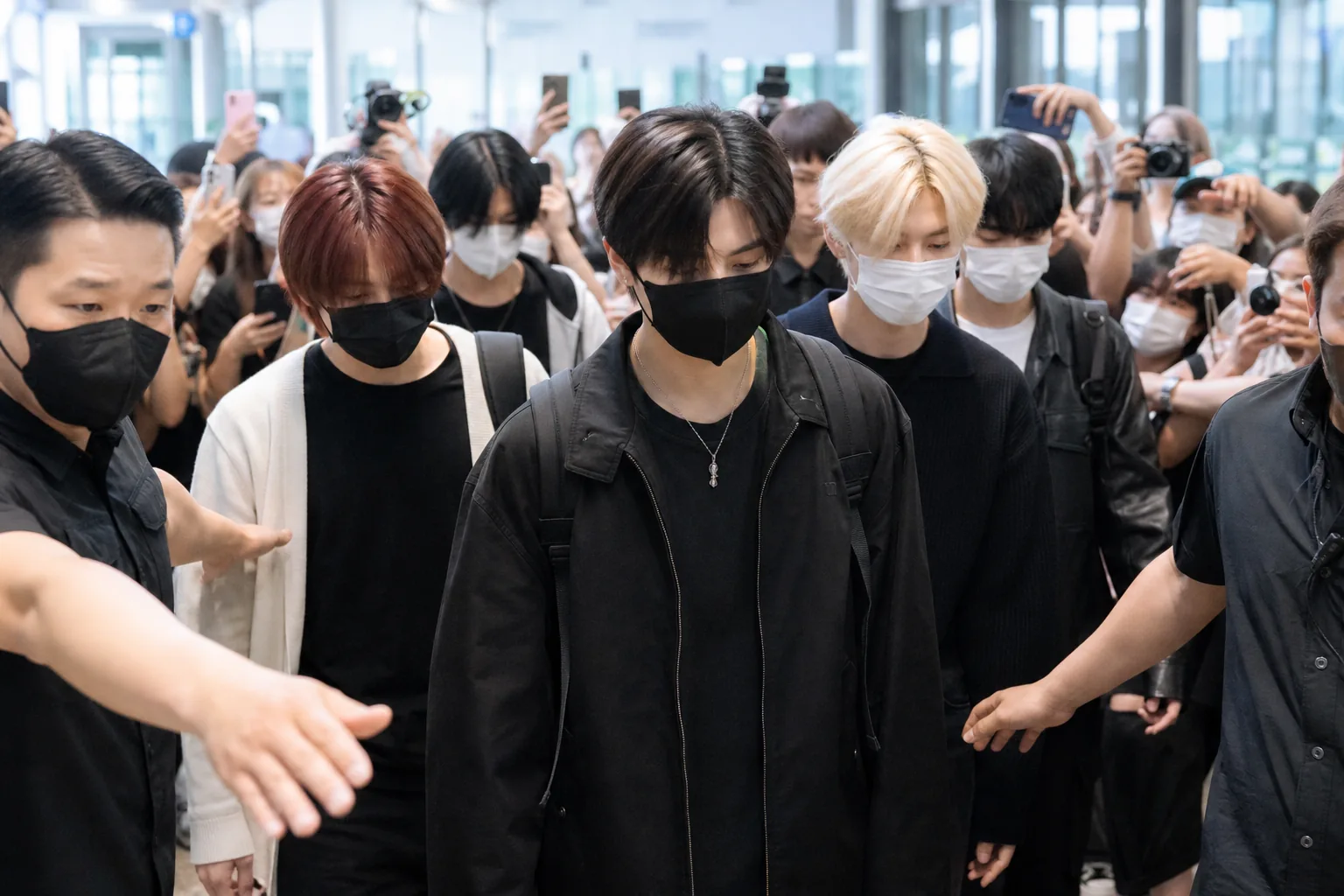
BELIFT LAB’s update also focused on airport behavior, saying that some actions during arrivals and departures have caused physical and psychological harm. The agency specifically referenced the close photographing and distribution of passport images, describing such behavior as a serious criminal offense.
Airports have long been a flashpoint in K-pop culture because they sit between public visibility and basic travel logistics. Fans and photographers may gather to see artists, but agencies have repeatedly warned that crowding, ignoring staff instructions, blocking movement, or attempting to capture personal documents can endanger artists, airport workers, other passengers, and fans themselves.
In the ENHYPEN statement, BELIFT LAB also mentioned behavior such as breaking through barricades, physical altercations, and disrupting order in duty-free areas or onboard aircraft. The agency asked fans to cooperate with on-site instructions and said people who violate guidelines may be barred from fan events immediately, without prior warning.
That potential restriction is notable because it connects private-safety rules with access to official fan spaces. Rather than limiting its response to lawsuits or criminal complaints, the agency is also reserving the right to control participation in events it manages directly.
A Wider Shift In Artist Protection
The update fits a wider pattern across Korean entertainment, where companies are posting regular legal notices about defamation, false rumors, privacy invasions, and threats. These statements often serve two purposes: they inform fans that reports are being reviewed, and they warn would-be offenders that online anonymity or distance from Korea does not necessarily place them beyond legal scrutiny.
For ENHYPEN, the timing also underscores the pressures surrounding high-profile idol groups as they move between albums, concerts, broadcasts, airports, and online fan communication. The more visible an artist becomes, the more complicated the job of protecting ordinary personal boundaries can be.
BELIFT LAB closed its statement by thanking ENGENE for support and reaffirming that it will take necessary measures to safeguard ENHYPEN’s rights and interests. The agency’s latest update does not announce a finished case, but it does show that at least one serious privacy incident has advanced to prosecutors and that the company intends to keep using both legal action and event restrictions as part of its response.



Join the Conversation
Log in to share your thoughts and join the conversation with other fans.