
K-pop-Style Fandom Meets Chinese Social Media: From “Love Story” Rumors to Haaland-Game Crossover Craze

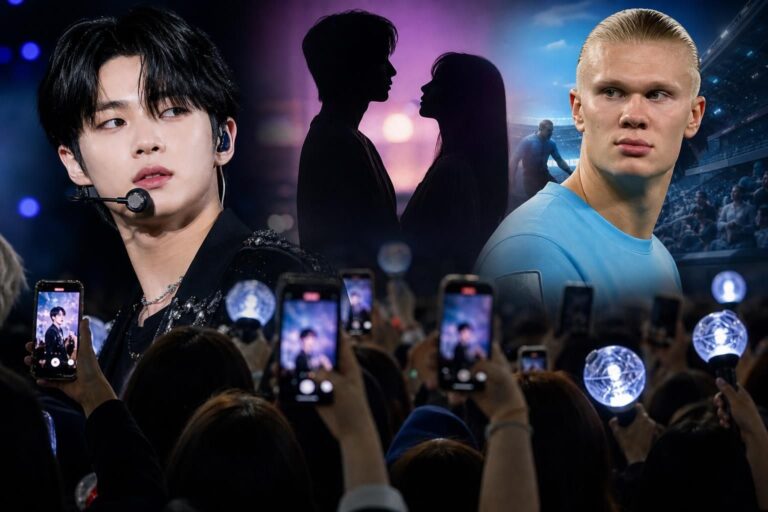
Chinese and global fandom communities are once again colliding—this time across dating rumors, celebrity “shipping” culture, and media designed to blur the line between fiction and real-world stardom. Over the past day, three separate entertainment threads have dominated attention: online dating speculation surrounding Chinese drama co-stars Cristy Guo and Wang Tian Chen; a viral wave of Chinese social-media affection for soccer superstar Erling Haaland, including edits connecting him to the dating game Love and Deepspace; and a new time-slip drama preview in South Korea that turns K-pop-era idol casting into an on-screen narrative mechanic.
Co-stars become “real-life romance” candidates
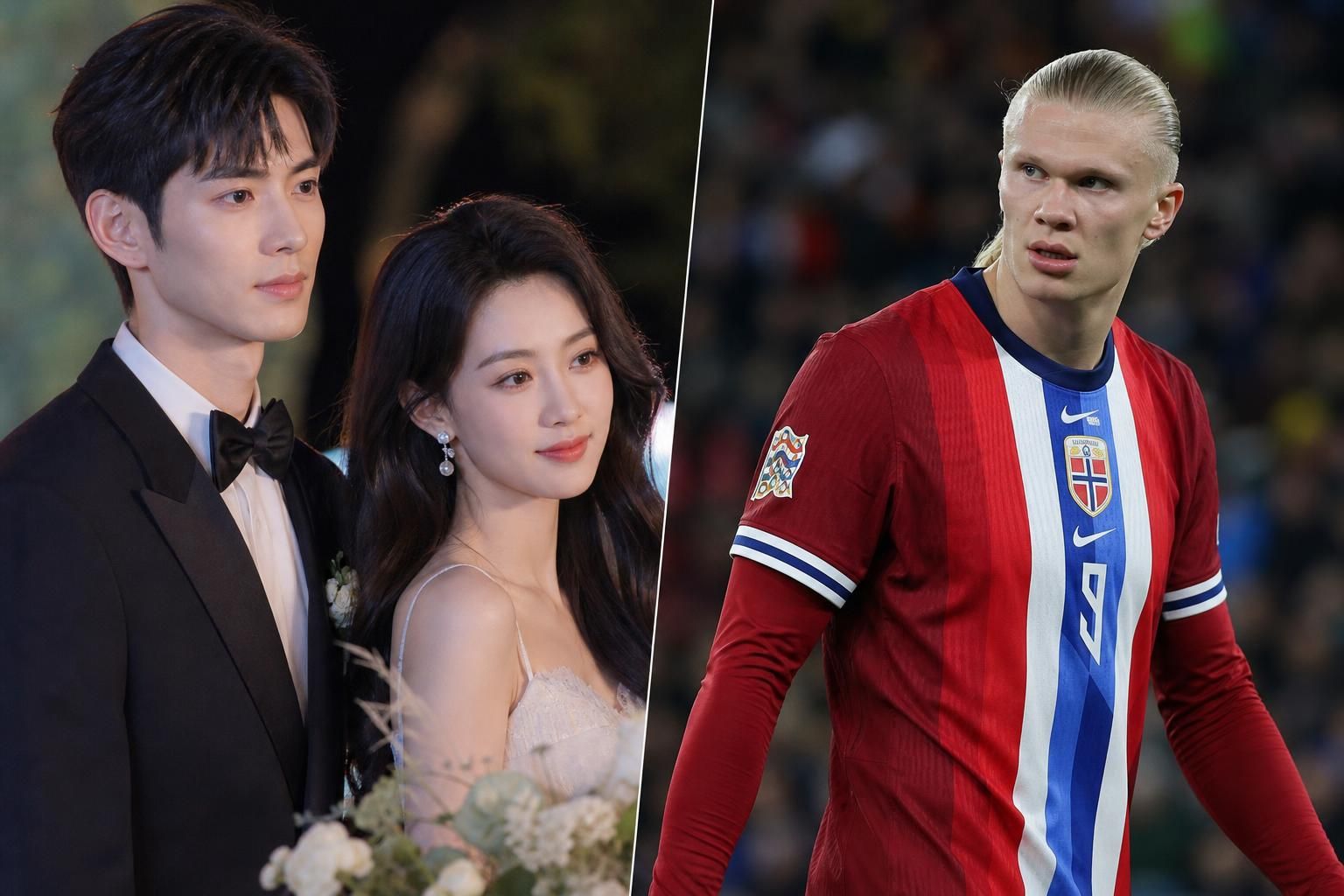
For months, Chinese actress Cristy Guo—also known as Guo Xiao Ting—has faced persistent dating rumors alongside her co-star Wang Tian Chen. Fans cite their repeated collaborations and frequent joint public appearances as evidence behind the nickname “Juedai Fanghua,” a reference to their chemistry across multiple projects.
According to coverage summarized by Koreaboo, a March 2026 red-carpet appearance reportedly sparked fresh speculation when photos and videos went viral online. Viewers framed the atmosphere as more romantic than promotional, comparing it to wedding-style imagery rather than standard industry publicity. Earlier, a magazine gala reportedly added fuel as Wang’s remarks about both being “happy,” along with protective or attentive gestures—such as shielding Guo from wind and speaking with her quietly—spread via online clips and fan edits.
The speculation escalated further as talk of a possible third collaboration circulated. But Guo, when asked about how actors avoid becoming emotionally attached after working closely, reportedly responded with a firm professional line: both she and Wang are professional actors who separate their roles from real life, urging fans to keep the characters’ stories within the fictional world.
Meanwhile, rumors suggest Guo and Wang may reunite in an upcoming military-themed C-Drama, meaning the next public-facing moment—whether an interview, press event, or trailer—could either dampen or intensify the online “ship.”
Haaland becomes a digital romance “male lead”
In a different corner of online culture, Chinese fans are reportedly turning sports stardom into dating-game fantasy. As the 2026 FIFA World Cup kicked off on June 11 and runs through July 19, Koreaboo reports that Chinese netizens have been “smitten” with Norway striker Erling Haaland to the point that some are editing him into the popular dating game Love and Deepspace as a dreamy male lead.
What stands out in the trend is not only the crossover itself, but the style: fans incorporate Haaland’s celebrity persona—his expressions, humor, and meme-friendly moments—into a format built for romantic storylines. Koreaboo cites the broader social-media mechanics of the game and the platform. On Xiaohongshu, Haaland-themed content reportedly surged dramatically during the World Cup buzz, with #Haaland impressions on the platform cited at 982.3 million in the past 10 days.
Haaland’s rise in China is described as long-running as well. The article notes that his earlier years at Borussia Dortmund laid the foundation for nicknames like “Nordic Cyborg” and “Robot Striker,” while his later move to Manchester City amplified mainstream attention through high-scoring performances. Coverage also points to his “comedian-athlete” appeal—an element that makes him especially fertile for meme culture and, now, for “romance” edits.
For international audiences, the crossover has also become part of the story: social posts on X highlight the humor of a sports superstar being inserted into a game designed for narrative dating mechanics.
A Korean drama turns idol stardom into plot—and casting into a hook
While fans are debating whether co-stars are secretly dating and repurposing athletes as romance characters, South Korea’s media industry is leaning into the same blurred boundaries with purpose-built storytelling. Soompi recently previewed MBC Plus’s upcoming drama My Idol, My Debut, a time-slip coming-of-age story in which a passionate fan travels eight years into the past to prevent a tragic accident—only to wind up becoming an idol trainee herself.
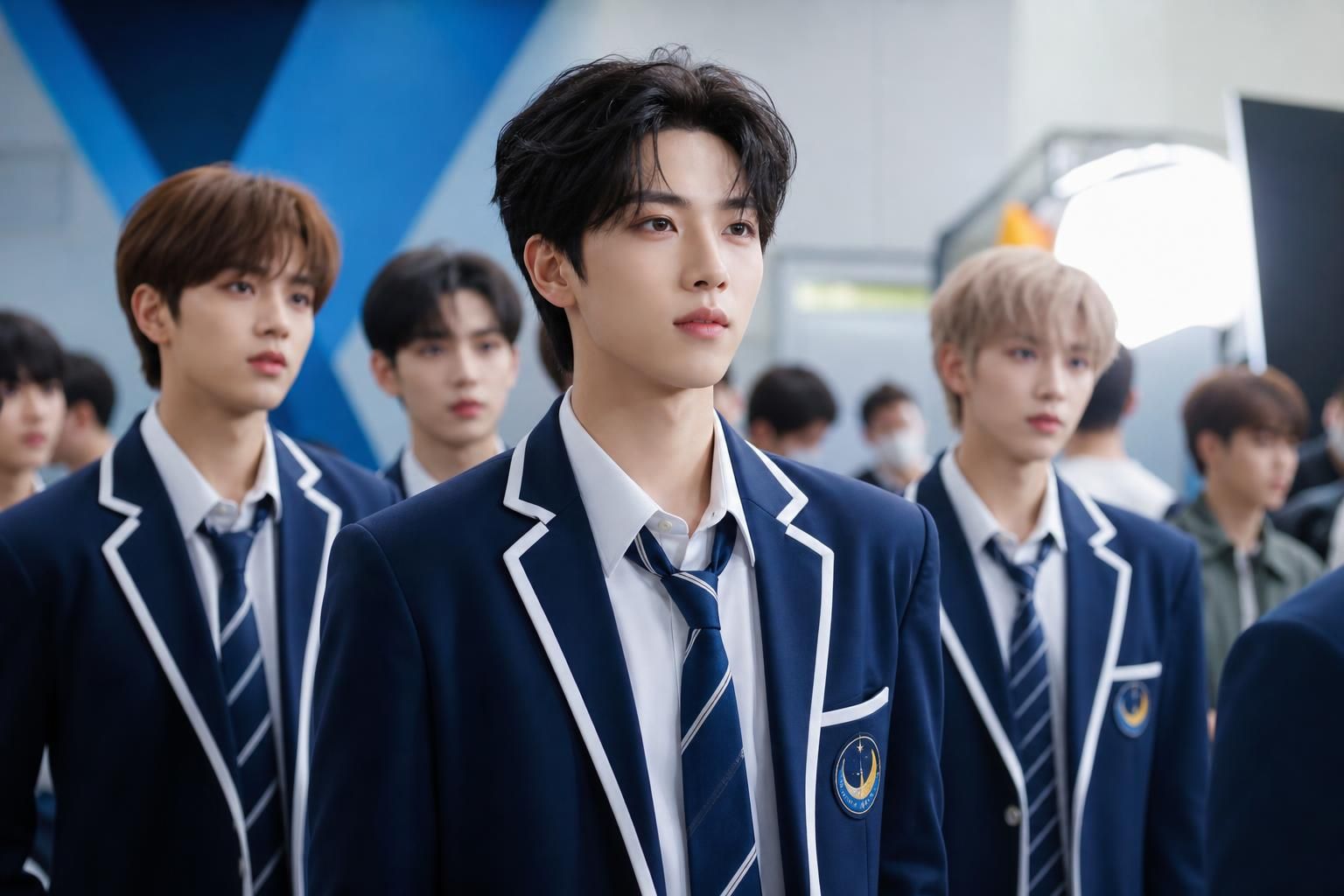
In newly released stills, the show introduces fictional idol groups as part of the narrative engine. The preview states that THE BOYZ’s Q will star as Han Jae Ha, a key member of a fictional boy group called BOY TO THE MOON, while Lee Jin Hyuk plays Ethan, described as a Canadian-born “mood-maker” in the same group.
Crucially, the marketing choices here mirror the fan-driven logic spreading across social platforms: the drama presents what looks like “real idol life” aesthetic, then makes it a time-travel mystery. Ethan is shown with an unpolished look—messy hair and a stained, ripped outfit—suggesting the character is thrown into circumstances that conflict with the curated idol image audiences typically expect.
Alongside Ethan, the preview includes a fictional girl group IRION, with cast members listed for roles tied to WOOAH’s Nana and tripleS’s Kaede, among others. The series is scheduled to premiere in July, positioning it to arrive during a period when fandom attention is already high across multiple streaming and social ecosystems.
What these stories have in common—and what to watch next
Taken together, these separate items reflect a broader shift in how entertainment spreads: audiences increasingly treat celebrity visibility—red carpets, interviews, memes, edits, and casting reveals—as evidence in an unfolding narrative. Whether the “narrative” is romantic speculation about two co-stars, a fan fantasy remix featuring a sports icon inside a dating-game world, or a fictional drama built around idol identity formation, the underlying dynamic is similar. Platforms reward emotional participation, and fans respond by producing interpretation at high speed.
For Cristy Guo and Wang Tian Chen, the next inflection point is likely a public appearance or confirmation regarding the rumored third collaboration. For Haaland, the World Cup provides a sustained news cycle that can keep feeding social-media edits and game crossovers. And for My Idol, My Debut, the question will be whether audiences treat the fictional idol world as immersive entertainment—or whether it becomes a new platform for fandom to map real-world personalities onto screen identities.
Join the Conversation
Log in to share your thoughts and join the conversation with other fans.