
J-Hope Instagram Comment Sparks Fan Boundary Debate Around Dancer Alyssa Santos

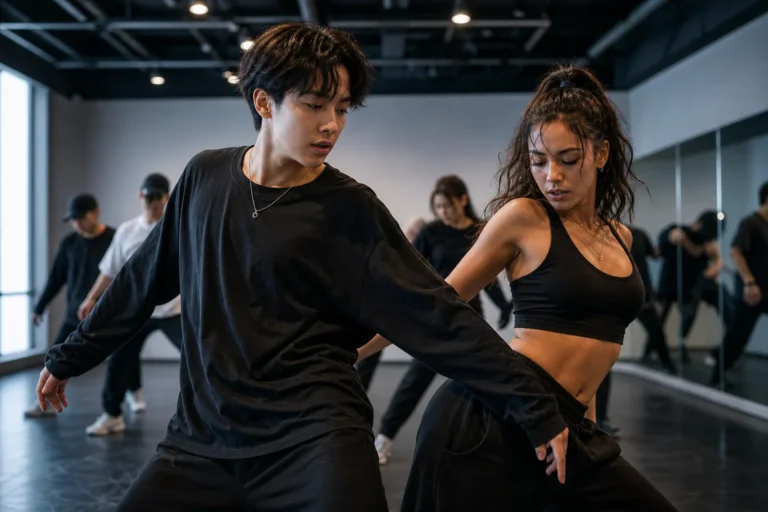
A brief social media interaction involving BTS’s J-Hope and dancer Alyssa Santos has turned into a wider conversation about fandom speculation and online boundaries. According to Koreaboo, discussion began after J-Hope responded to an Instagram story connected to Santos, a dancer who has previously worked with him, and fans later connected that exchange to one of her recent TikTok posts.
The situation appears to have started with a dance-focused post rather than any public statement about a personal relationship. Santos, who is known for her work as a dancer and has been linked professionally to J-Hope through Killin’ It Girl, posted a video of herself dancing to FYA. J-Hope’s comment on the Instagram story drew warm reactions from many fans who saw it as a friendly nod between performers.
How A Dance Post Became A Talking Point
The discussion escalated when viewers looked at a separate TikTok from Santos in which she referred to being in London at the same time as friends. Some fans interpreted the timing and wording as a possible reference to J-Hope. Koreaboo reported that the comment section soon filled with remarks about the BTS member, even though the post itself did not confirm that he was involved.
That gap between what was posted and what was assumed is the center of the current debate. In K-pop fandom spaces, small clues can be analyzed intensely, especially when they involve major artists and people in their professional circles. A comment, location reference, song choice, or casual phrase can quickly become material for speculation, even when the people involved have not made any direct claim.
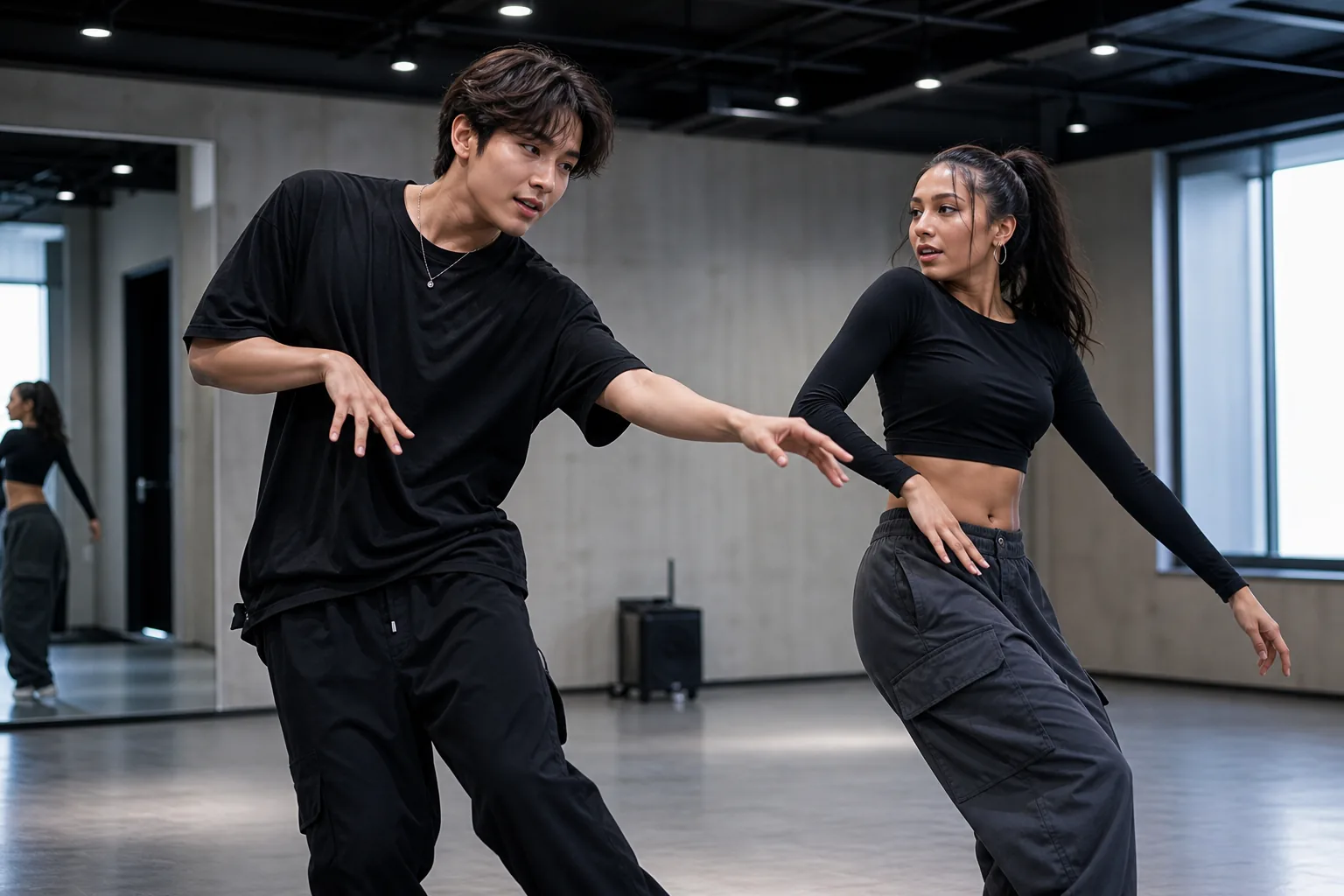
In this case, some fans enjoyed seeing J-Hope support a dancer he has worked with, framing the interaction as a simple professional or friendly exchange. Others became uncomfortable with how quickly the conversation moved from appreciation to personal assumptions. The backlash was not only about the original comment, but about whether fans were crossing a line by flooding Santos’s TikTok with comments centered on J-Hope.
Fan Boundaries Take Center Stage
The incident reflects a recurring issue in global K-pop fandom: how to respond when idols interact with collaborators, dancers, stylists, actors, or friends online. Social media makes those interactions visible in real time, but visibility does not automatically make every detail public property. For artists and the people around them, even ordinary exchanges can become magnified once fans begin treating them as clues.
J-Hope has spent years performing in one of the world’s most watched pop groups, and his solo work has also placed dancers and creative collaborators in the spotlight. That visibility can bring attention to the professionals around him, but it can also create pressure when fans direct assumptions at people who did not invite that level of scrutiny.
The response from some netizens was direct: fans should understand boundaries. That argument has become increasingly common as K-pop fandoms grow larger and more international. Supporters may feel close to artists through live streams, social posts, and behind-the-scenes content, but parasocial closeness can blur the difference between public support and invasive curiosity.
Why The Conversation Matters
There is no confirmed personal development in this story based on the available source. What is confirmed is the pattern: a public interaction, a wave of fan interpretation, and pushback from people who felt the speculation went too far. That pattern matters because it affects not only idols, but also dancers, staff, and collaborators who can unexpectedly become part of fandom narratives.
The more useful takeaway is not about guessing who was referenced in a TikTok caption. It is about recognizing that professional respect and casual online friendliness do not need to become a rumor cycle. Fans can enjoy seeing artists support collaborators while still leaving room for privacy and ordinary human interaction.
For J-Hope and Santos, the moment may pass quickly. For fandom culture, however, it adds to an ongoing discussion about how fans can stay enthusiastic without making every social media exchange feel like evidence. In an era where K-pop is watched globally second by second, restraint can be as important as attention.
Join the Conversation
Log in to share your thoughts and join the conversation with other fans.