
K-pop Fights Back Against Harmful Diet Culture as AtHeart Sparks a Viral “Buy a Bigger Skirt” Exchange


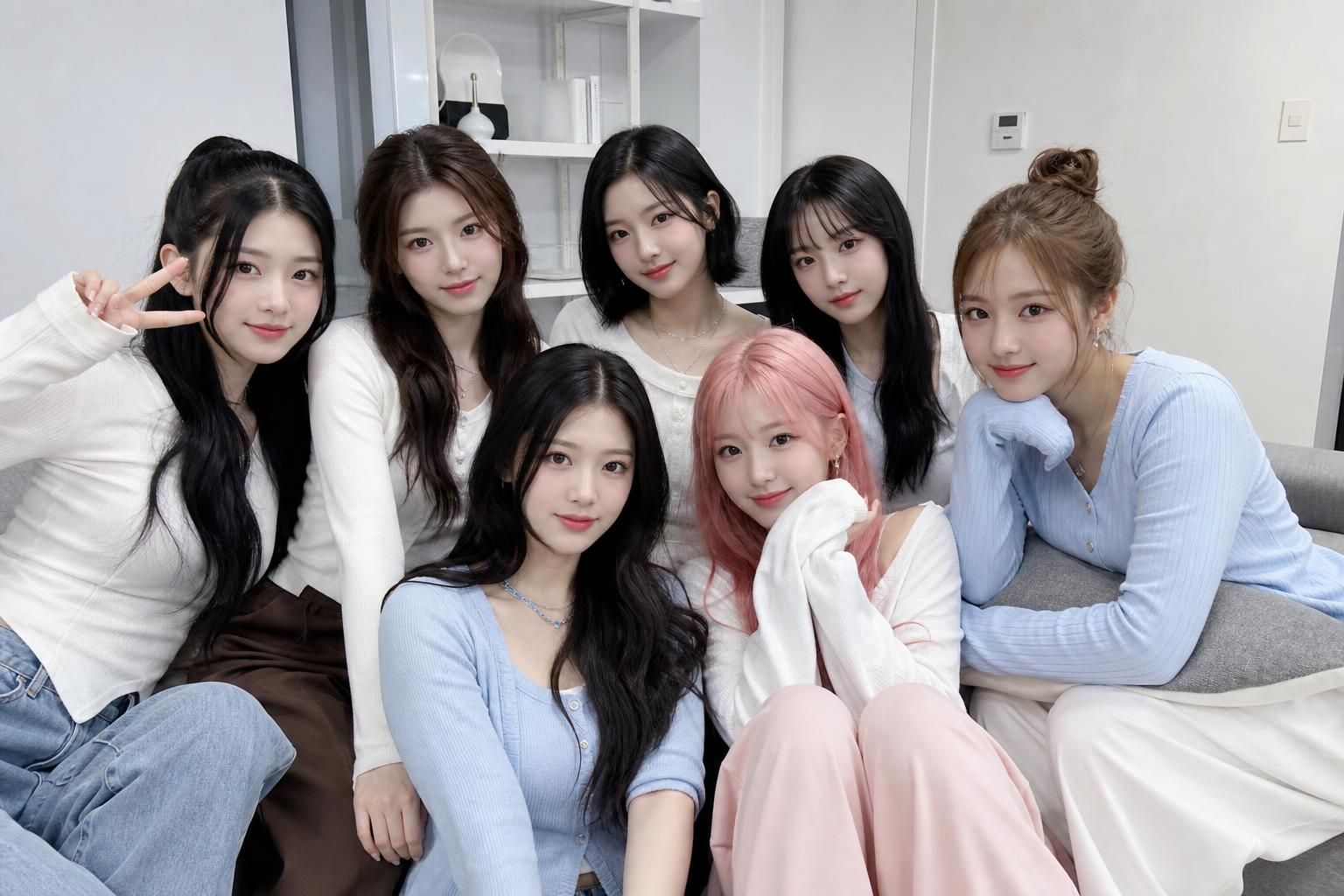
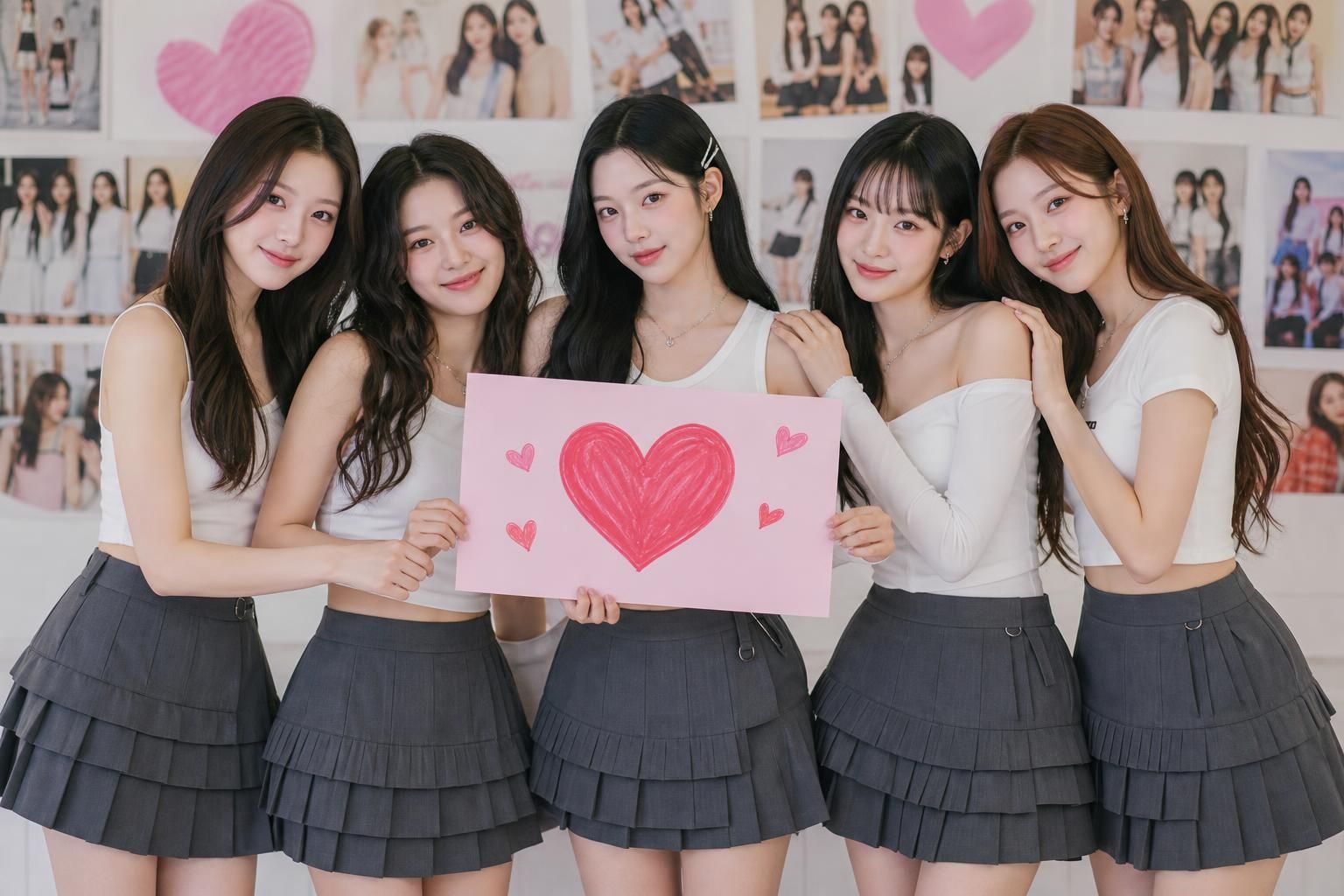
A new viral moment from a rising K-pop group is reframing what fans think “diet advice” should look like—while also shining a spotlight on the darker ecosystem that surrounds body image online. On June 17, AtHeart drew widespread praise after responding to a fan who asked for dieting tips because she couldn’t fit into a skirt. Rather than pushing calorie restriction or weight-loss methods, the group delivered a blunt, body-safety-first message that quickly went viral.
The exchange is notable not only for its lighthearted tone, but for how it challenges the default playbook of appearance pressure in the idol industry—pressure that can be amplified by broader entertainment controversies, including school bullying scandals that have previously reshaped careers and public perceptions of misconduct and harm.
A “Dieting” Question Meets a Refreshingly Different Answer
According to the viral clip reported by Koreaboo, the fan told AtHeart she was worried because she couldn’t wear one of her skirts, then asked for dieting advice. The group’s members did not recommend restricting food or pursuing aggressive weight-loss strategies. Instead, they offered an alternative that many fans read as both practical and emotionally considerate.
The response included lines to the effect of: “Just get a bigger skirt,” and a warning against dieting—adding that if stress increases, weight can also change. They even suggested purchasing a new skirt rather than attempting to force the old one to fit.
While the wording is playful, netizens treated the message as serious: it centered on comfort, self-management, and reducing harm, rather than endorsing a “fix your body to fit clothes” mentality. In comment threads and reposts, fans praised the group for resisting the normalization of eating-disorder-adjacent advice.
Why the Reaction Hit So Hard Online
In K-pop culture, body scrutiny can be relentless. Diet talk is often framed as discipline, and idol appearance becomes a constant public metric. That context makes AtHeart’s response stand out: rather than validating the premise that the fan needed to shrink, the group questioned the assumption that dieting was the correct solution.
As the story spread, many reactions leaned into the idea that younger idols can influence fans for better—or worse. Some commenters contrasted this viral moment with more harmful forms of body-image messaging they have criticized in the past, especially content that can be interpreted as encouraging risky restriction. Others said the group’s stance felt mature, responsible, and aligned with mental well-being rather than surface-level aesthetics.
For fans, the key takeaway wasn’t the skirt itself—it was the tone: permission to step away from pressure and to solve a clothing problem without turning it into an eating-better-at-all-costs narrative.
Entertainment Culture’s Hard Edges: When Harm Becomes a Career Story
AtHeart’s viral moment arrives amid ongoing conversations about harm in youth environments that can precede public controversies. In a separate overview, Koreaboo highlighted how several actors’ careers were disrupted by school bullying allegations—cases that triggered intense public scrutiny, project pauses, and lasting reputational damage even when accusations were contested or unresolved.
Across these reported cases—spanning multiple actors and allegations—the common thread was the idea that early-life cruelty and misconduct can follow people into adulthood, shape public trust, and lead to major professional consequences. Even when the allegations do not result in clear legal outcomes, the entertainment industry’s ecosystem tends to amplify public sentiment, sometimes with far-reaching effects on careers.
For audiences, that matters because bullying and appearance-related harassment are often connected in lived experience. A culture that tolerates or glamorizes control over bodies can overlap with the social dynamics that produce bullying in the first place. Against that backdrop, AtHeart’s reframing of “diet advice” reads to many as a small resistance to the larger normalization of damage.
What This Means for K-pop’s Messaging—and Fans’ Expectations
The immediate impact is measured in attention: a rookie group gained momentum and goodwill by communicating in a way that many viewers interpret as healthier and more empathetic. But the longer-term significance may be how fans now evaluate idols—not only for performance, but for the guidance they give when followers ask personal, high-stakes questions.
Body image discussions online rarely stay confined to one platform. They spill into fan communities, commentary culture, and repost algorithms, where even casual advice can become model behavior. AtHeart’s response, therefore, may influence what fans consider acceptable: discouraging dieting advice framed as a “solution,” and encouraging practical alternatives that don’t treat the body as a problem to be punished.
What’s Next: Will the Message Spread—or Get Pushback?
For now, AtHeart’s viral post functions as a stress test for the fandom ecosystem: will more idols emulate this framing, or will the industry’s conventional emphasis on strict appearance norms overpower it?
In the coming weeks, fans may look for whether the group continues to address body-image questions with similar care, and whether agency-approved messaging will reinforce or dilute such positions. At the same time, audiences will likely keep watching how entertainment platforms handle sensitive topics—particularly when public disputes already show how quickly reputations can change under scrutiny.
Whether or not the trend becomes widespread, the core takeaway from the “bigger skirt” exchange is likely to endure: some answers are not about changing bodies, but about reducing pressure, choosing safer coping, and treating discomfort as a situation to manage—rather than a punishment to earn.


Join the Conversation
Log in to share your thoughts and join the conversation with other fans.
This kind of news makes the whole comeback feel even more exciting 💫
This kind of spotlight feels special because it connects fans, artists, and a bigger story.