
ITZY’s Ryujin Apologizes After Viral Stage Clip Sparks Debate Over Idol Scrutiny

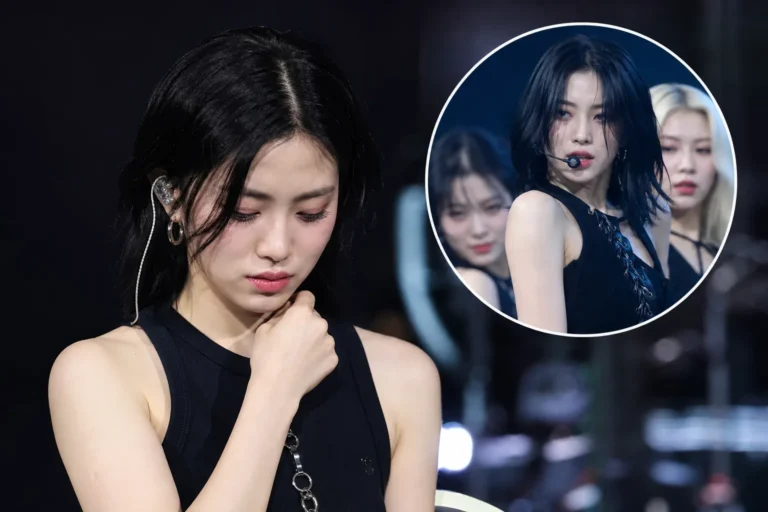
ITZY member Ryujin has apologized after a short clip from a recent concert circulated online and triggered a sharp debate over stage etiquette, edited viral videos, and the standards applied to female K-pop idols.
The controversy centered on footage that appeared to show Ryujin adjusting her shorts or stage outfit during a performance. After the clip spread on social media, some viewers criticized the moment as inappropriate, while many fans argued that the incident had been exaggerated and stripped of context.
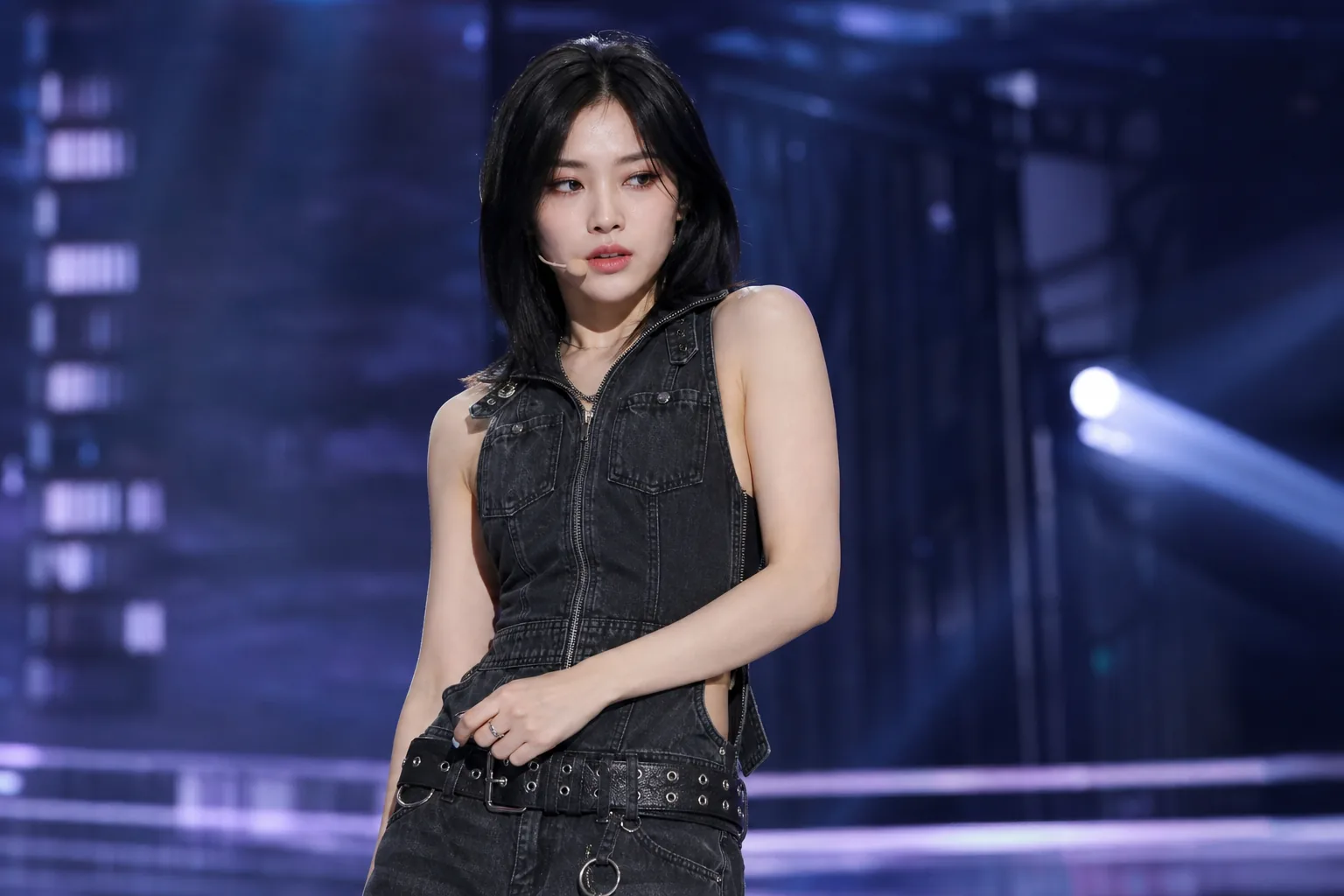
During a livestream on July 18 KST, Ryujin addressed the situation directly. She explained that her jumpsuit had been riding up and causing discomfort, even pain, while she was on stage. In the moment, she said, she pulled the outfit down without thinking about how the action might appear when isolated in a video clip.
Ryujin apologized to fans and said she had received messages from people around her about the incident. She also acknowledged that she had been scolded and had reflected on the matter, saying she had become too comfortable on stage in front of fans and had let her guard down. Her remarks mixed seriousness with a light tone, as she joked about finding a practical solution next time rather than letting a costume issue become a public controversy.
Why the clip became a larger debate
The backlash did not remain focused only on the brief stage moment. As the clip continued to circulate, supporters pushed back by sharing what they said was fuller context from the performance. Their argument was that the most widely shared versions used slow motion, looping, or replay effects that made a quick outfit adjustment appear more suggestive than it was in real time.
That concern turned the discussion into a broader criticism of how viral content can reshape public perception. A few seconds from a concert, separated from the performance around it, can become the entire story once it is reposted with a provocative framing. For idols, whose images are closely managed and constantly watched, that kind of compression can carry real reputational consequences.
Many fans also objected to the fact that Ryujin felt compelled to apologize at all. They argued that the incident reflected a common problem in idol culture: performers are expected to keep dancing through uncomfortable wardrobe issues, yet may still face criticism when they make a quick adjustment in public. The reaction was especially strong among fans who saw the backlash as sexualizing a routine response to an uncomfortable stage costume.
The gendered nature of the criticism became a major part of the online conversation. Some fans compared the response to how male performers are treated when they adjust clothing during performances or public appearances, saying female idols often face harsher moral judgment for similar or less intentional actions. Whether or not every comparison was accepted by all viewers, the debate showed how quickly questions of performance professionalism can turn into discussions about gender, privacy, and online double standards.
Ryujin’s response shows the pressure around live performance
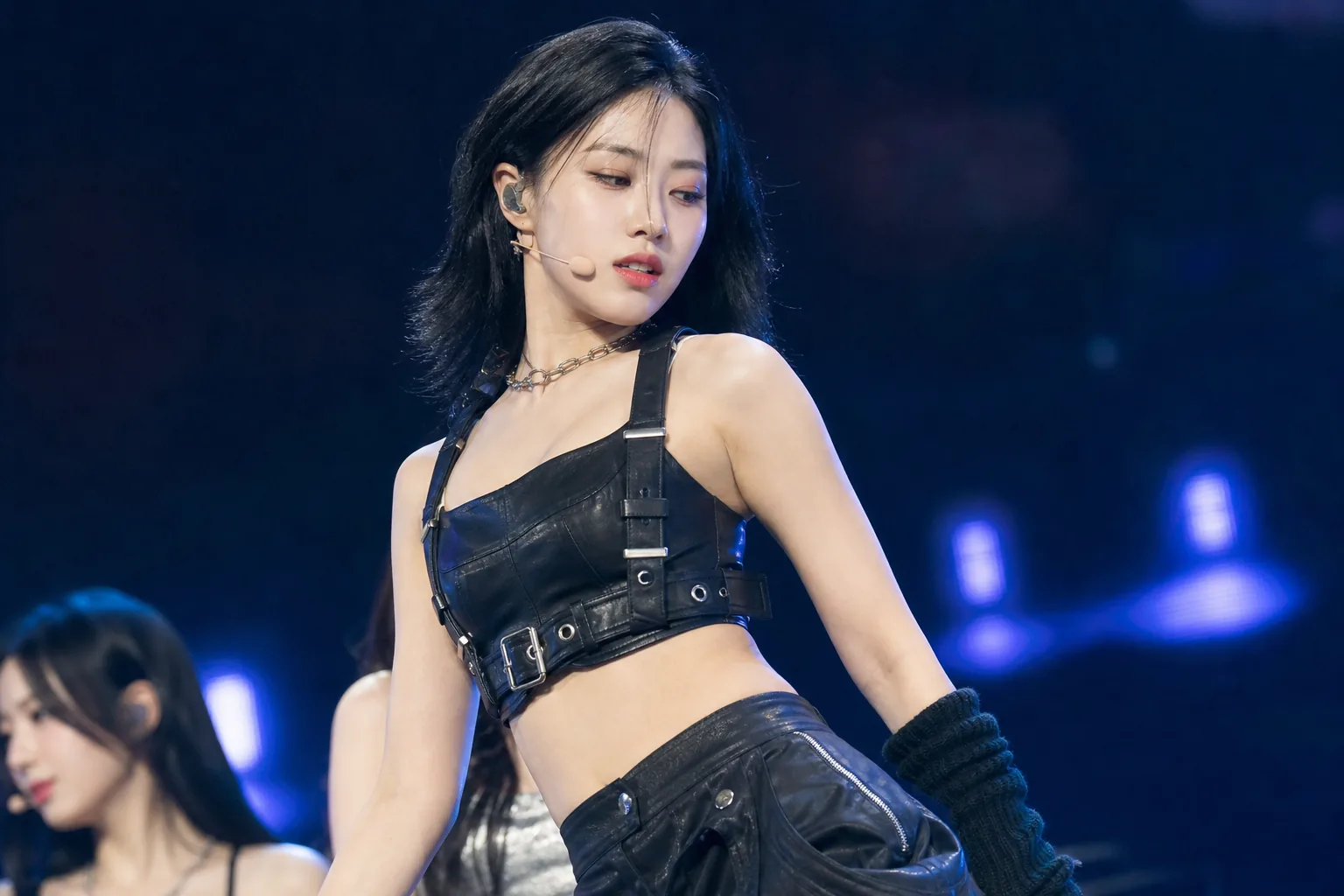
Ryujin’s apology also highlighted the particular pressure idols face during concerts. Stage outfits must serve choreography, lighting, camera angles, styling concepts, and audience expectations at the same time. When something goes wrong, performers often have to manage it instantly without interrupting the show. Those split-second decisions can later be slowed down, replayed, and judged as if they were deliberate public statements.
For ITZY, a group known for high-energy choreography and confident stage presence, the episode is unlikely to define the group’s current activities. Still, it has become a reminder of how fragile context can be in the social media cycle. A live performance moment that began as a wardrobe discomfort issue quickly became a discussion about accountability, fan protection, and the boundaries of public scrutiny.
The incident also raises a practical question for entertainment agencies and concert teams. Wardrobe design, camera monitoring, and crisis communication all matter when artists are performing under constant recording from both official cameras and fans’ phones. Even when no serious misconduct has occurred, companies and artists may still have to respond quickly once a clip gains momentum online.
Ryujin’s decision to speak directly to fans may calm some of the immediate criticism, but it has not ended the conversation. For many supporters, the main issue is no longer the outfit adjustment itself. It is whether idols, particularly women, are being expected to apologize for being caught in ordinary human moments while performing under physically demanding conditions.
As the debate continues, the clearest takeaway is that viral clips rarely carry the full weight of what happened on stage. Ryujin offered an explanation and an apology, but the response from fans shows that audiences are also increasingly willing to question how those clips are edited, framed, and used to judge artists in real time.



Join the Conversation
Log in to share your thoughts and join the conversation with other fans.
Mixed feelings about ??topic,??but the wider context really matters here ?쭬 Online reactions are rarely as simple as the first headline makes them look.