

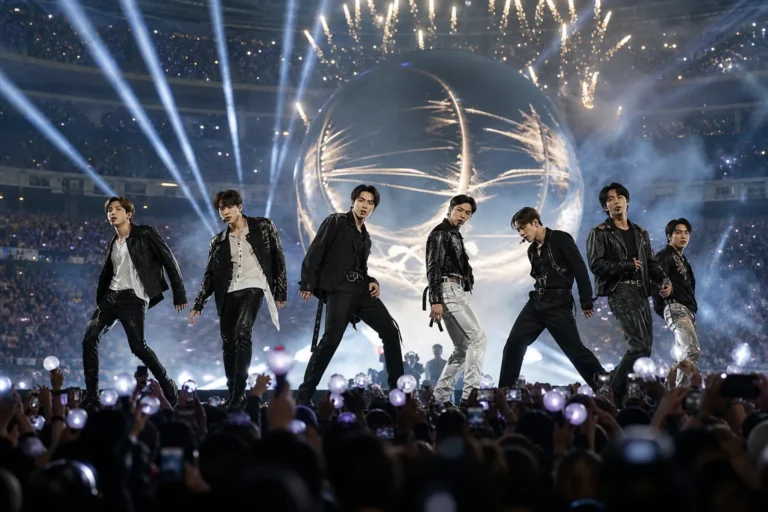
BTS’s appearance at the 2026 FIFA World Cup final halftime show quickly became one of the most discussed entertainment moments of the match day, bringing K-pop into one of the world’s most visible sporting broadcasts and setting off a familiar mix of celebration, scrutiny, and online debate.
The group performed during halftime on July 19 as part of a lineup that also included other major entertainers. According to reports, BTS took the field after earlier segments and performed “Dynamite”, the English-language hit that remains one of the group’s most recognizable songs for international audiences. The selection surprised some fans who had speculated that the group might choose “Permission to Dance”, but it also made strategic sense for a short global broadcast slot built around instant recognition.
The performance was brief, reportedly lasting around a minute and a half, yet it carried the weight of a much larger cultural moment. A World Cup final is not a normal concert setting: camera work, broadcast timing, stadium acoustics, crowd noise, and the pressure of a live international audience can all shape how a performance is received. For BTS, the appearance also came amid a demanding touring schedule, with fans pointing out that the members had performed in Paris shortly before traveling to the United States for the final.
A Short Stage With A Long Afterlife Online
Reaction began almost immediately after clips from the broadcast circulated on social media. Supporters praised the group’s energy, synchronization, and ability to deliver a stadium-ready version of “Dynamite” under unusually compressed conditions. Many fans argued that the performance showed the members singing live, noting moments where the vocals appeared to diverge from the backing track and using those details as evidence of real-time singing rather than a fully pre-recorded segment.
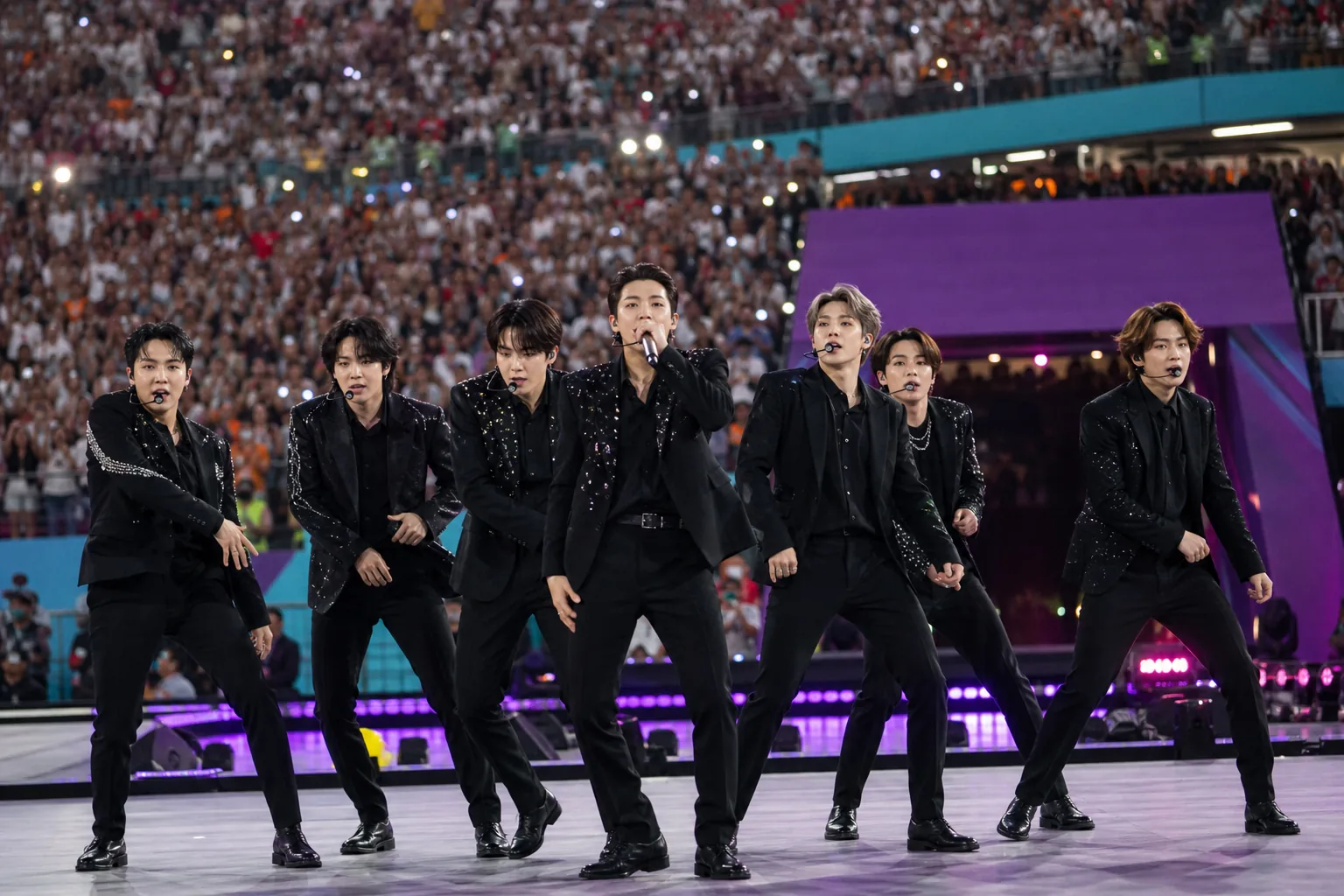
At the same time, the performance drew criticism from some viewers who focused on vocal steadiness, particularly during isolated moments that spread through short clips. Some social media users described parts of the singing as uneven or pitchy, while others pushed back by saying that compressed online clips often exaggerate imperfections and remove the broader context of the performance. The debate underscored how high-profile K-pop stages are now evaluated frame by frame, especially when they happen outside a traditional music program or concert environment.
That scrutiny is not new for BTS or for K-pop acts in general, but the World Cup setting intensified it. A halftime show places performers before a mixed audience that includes devoted fans, casual viewers, sports audiences, and people encountering the artists only through a short broadcast excerpt. In that environment, every choice, from song selection to vocal mix, becomes part of a wider conversation about what K-pop sounds and looks like on a mainstream global stage.
Football Crossover Added Another Layer
The conversation around BTS and the final had already begun before the performance. A post from Argentina’s national football team account drew attention after it used imagery that fans connected to BTS’s Arirang tour visuals. Some fans saw the post as playful promotion tied to the final, while others objected to the association and raised broader concerns about football fandom, racism, and how BTS’s image is used by major sports institutions and teams.
The disagreement reflected a larger tension around global celebrity. For some fans, a football account referencing BTS represented valuable exposure to a huge sports audience and another sign of the group’s reach beyond music. For others, the post felt like a brand borrowing BTS’s cultural capital without sensitivity to the political and social baggage that can surround international football rivalries. The split response showed how quickly promotional crossover can become complicated when two large fan cultures meet.
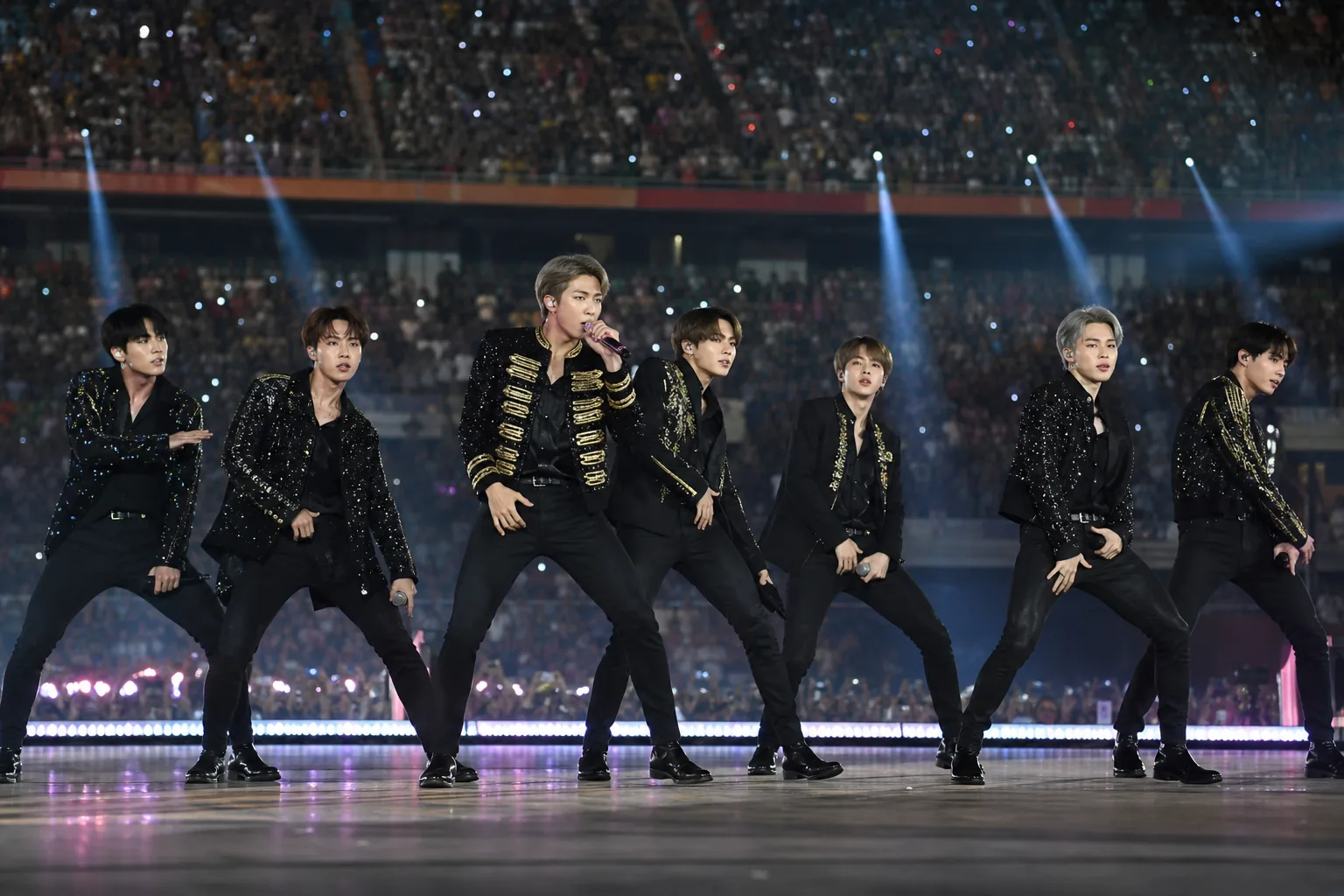
What is clear is that BTS’s halftime appearance functioned as more than a musical interlude. It became a test case for how K-pop performance, sports spectacle, and online fandom now overlap in real time. The group’s supporters emphasized the achievement of appearing on such a stage while maintaining a packed tour schedule. Critics focused on the risks of performing live in a setting designed less for nuance than for instant broadcast impact.
For BTS, the World Cup final performance added another entry to a long list of global milestones, even as it invited the kind of close public examination that comes with that visibility. Whether viewers praised the energy, questioned the vocals, or debated the football-related promotion surrounding the event, the response confirmed that a short halftime slot can travel far beyond the stadium. In the current entertainment landscape, a minute and a half on the field can become a full-scale global discussion by the time the match resumes.



Join the Conversation
Log in to share your thoughts and join the conversation with other fans.