
BTS and K-Pop Soundtracks Push Korean Music Higher on UK and Global Charts

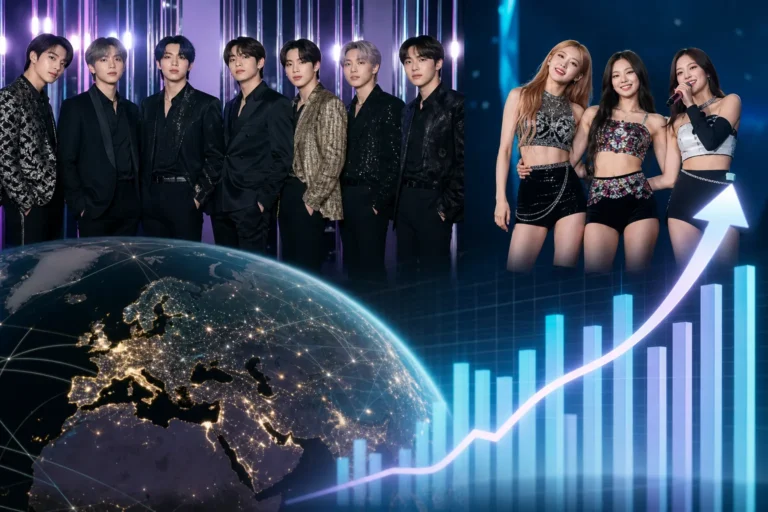
Korean pop music is entering the second half of 2026 with fresh evidence that its global reach is no longer limited to one format, one market, or one kind of artist. New chart and industry data reported in Korea this week point to a widening base of momentum: BTS’s fifth full-length album ARIRANG continues to anchor international album demand, while K-pop-linked soundtrack releases are holding prominent positions in the United Kingdom’s year-to-date song rankings.
The latest UK angle centers on Golden, a track from the animated film KPop Demon Hunters. According to coverage citing the UK’s Official Charts, the song placed eighth on the 2026 Biggest Songs Top 40 after spending 10 weeks on the chart and ranking as the year’s most popular animation soundtrack entry over that period. Another soundtrack cut, Ranking, was also reported at No. 14, giving the film’s music two notable entries in a competitive British pop market.
At the same time, BTS’s ARIRANG appeared at No. 20 on the UK’s 2026 Biggest Albums Top 40. The album’s placement adds another chapter to a run that has already included strong performances on major overseas charts since its March release. For BTS, the result is less a sudden breakout than a sign of durability: the group is maintaining demand across physical sales, streaming consumption, and international media attention months after the album first arrived.
Physical Albums Become A Growth Signal Again
The broader industry story comes from Luminate’s 2026 Midyear Trends in Music, TV & Film Report, which Korean outlets reported was released on July 15. The report tracks streaming, album sales, video viewing, box office activity, and other entertainment data. Its music findings underline a market shift: English-language music remains powerful, but global acts outside the traditional Anglophone center are taking up more space in the consumption picture.

BTS is one of the clearest examples. Reported figures show ARIRANG topping both U.S. CD album sales and vinyl album sales during the first-half tracking period, despite being released on March 20 and therefore contributing roughly three months of data. The album also ranked fourth among U.S. top albums, while its title track SWIM was reported at No. 6 on a global top songs ranking with 987 million on-demand audio streams.
Those numbers matter because they show K-pop’s current strength is not only a streaming story. Physical formats, long treated by many markets as legacy products, remain central to the K-pop business because fans buy albums as collectible objects, event-linked merchandise, and durable symbols of participation. Luminate’s findings, as summarized by Korean media, described K-pop artists including BTS as major contributors to renewed physical-format growth in the United States.
Korea’s Export Position Moves Up
The chart results are also being read through a national export lens. Reports citing Luminate said Korea has moved into the position of the world’s third-largest music export market, behind the United States and the United Kingdom. That would mark a rise from 2025, when Korea was reported behind the U.S., U.K., and Canada. The shift reflects how Korean music companies have turned fandom, retail, touring, digital communities, and multilingual promotion into a coordinated export model.
Customs data cited by Edaily adds another layer. Korea’s first-half album exports reportedly reached $257.47 million, up 125 percent from the same period a year earlier and the highest first-half total on record. The United States overtook Japan as the largest destination for Korean album exports, followed by markets including Germany, Taiwan, Hong Kong, the Netherlands, the United Kingdom, France, and Poland.
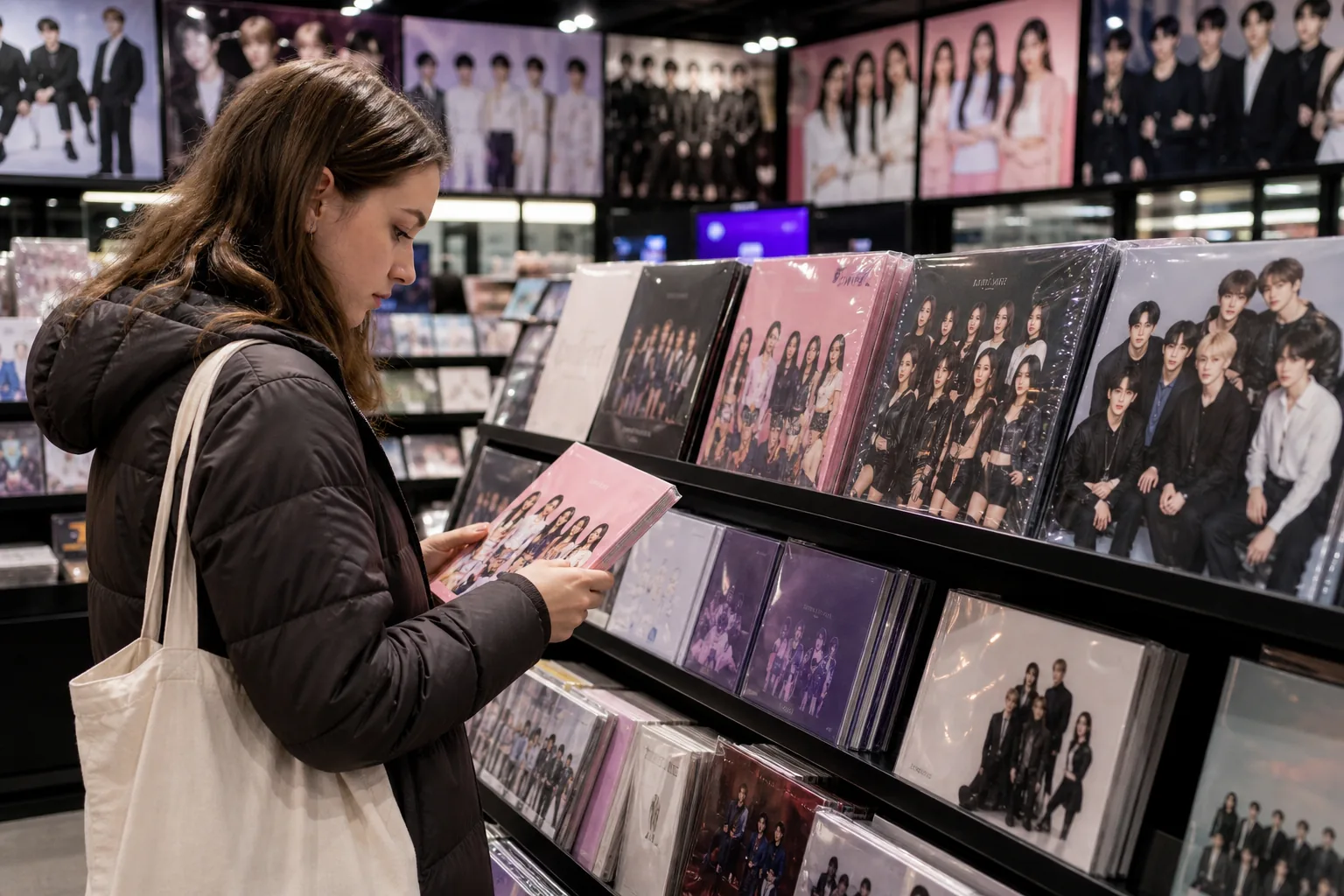
The gains extend beyond BTS. Reports highlighted a strong presence for HYBE Labels artists in U.S. CD sales, with albums by ENHYPEN, CORTIS, TOMORROW X TOGETHER, and KATSEYE joining BTS in upper-tier rankings. Edaily also noted other major K-pop acts in the U.S. CD top 10, including ATEEZ and Stray Kids, suggesting that the export wave is being carried by several companies and fandoms rather than a single flagship release.
For HYBE, the data supports the company’s long-running bet on a multi-label structure and fan-platform infrastructure such as Weverse. The model gives individual labels creative room while using shared global distribution, audience data, and fan-commerce systems to extend the life of releases. That approach is increasingly important as K-pop competes not just for chart debuts, but for repeat purchases, long-tail streaming, and sustained overseas visibility.
The UK performance of Golden shows another path for Korean music’s reach: fictional or soundtrack-based K-pop can now travel through film, animation, and streaming entertainment as effectively as traditional idol releases. When a soundtrack song can sit near the top of a year-to-date British ranking while BTS holds a major album slot, it suggests that K-pop’s global identity is broadening into a flexible pop language.
For listeners, the headline is simple: Korean music is becoming harder to separate from the mainstream global music economy. For the industry, the more important point is structural. Strong albums, soundtrack hits, physical sales, fan platforms, and export data are all pointing in the same direction, making K-pop one of the clearest growth engines in the 2026 international music market.



Join the Conversation
Log in to share your thoughts and join the conversation with other fans.
Adding ??topic??to the receipts folder immediately ?뱤 This is a strong result no matter how you look at it.