
CORTIS Member James Faces Online Debate After Creator Responds to Racism Allegation


CORTIS member James has become the subject of a fast-moving online debate after a viral post accused him of engaging in an anti-Black racial microaggression through short-form social media videos. The discussion intensified across X, formerly Twitter, before a response attributed to the original creator of the referenced content shifted the tone of the conversation.
According to Koreaboo, the controversy began when a post claimed that James had mocked a popular Black creator by recreating or referencing her video style. As the post spread, some users criticized the rookie idol and described the clip as ignorant or racially insensitive. Others argued that the allegation lacked context and urged fans to wait for the creator’s own view before drawing conclusions.
The report said a fan contacted LaNia the Artist, identified as the original creator connected to the videos, to ask how she interpreted James’s recreation. Her response, as circulated by fans and cited in the report, indicated that she did not feel mocked and that she appreciated the clip. She also reportedly reposted James’s video, which supporters of the idol framed as evidence that the original creator did not see the content as disrespectful.
Creator Response Changes the Conversation
The creator’s apparent approval did not erase the larger discussion, but it changed the factual center of the debate. The original allegation depended heavily on the idea that James’s video targeted or demeaned a Black creator. Once the creator herself was reported to have welcomed the recreation, many fans argued that the accusation should not continue to circulate as settled fact.
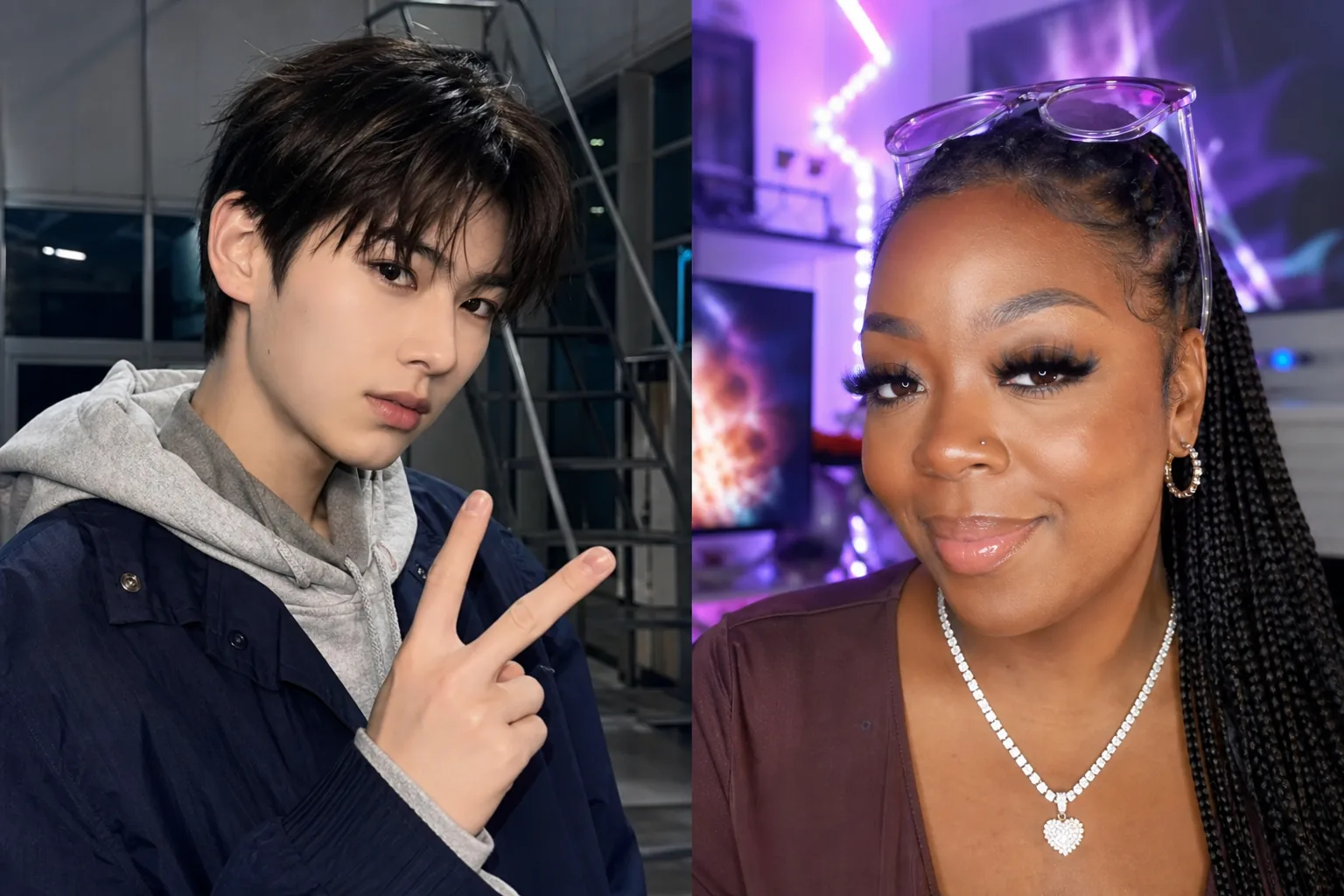
At the same time, the incident shows why K-pop controversies involving race, cultural borrowing, and online trends can become complicated quickly. Short-form videos often travel far from their original context. A sound, expression, gesture, or editing style may be copied by thousands of users, while the creator who made it popular can be overlooked. When a public figure joins that chain, fans and critics may read the same clip in sharply different ways.
For rookie idols, the stakes are especially high. CORTIS is still building its public identity, and newer groups often face intense scrutiny from both supporters and rival fandoms. A single viral post can move faster than official clarification, creator context, or careful translation. That speed can magnify genuine concerns, but it can also turn uncertain claims into reputation-shaping narratives before all relevant voices are heard.
Why the Debate Matters for K-Pop Fandom
The James controversy also highlights a broader tension in global K-pop fandom: fans increasingly expect idols and agencies to understand cultural context beyond Korea, especially when their content is made for international platforms. Those expectations are not unreasonable. K-pop is a global business, and idols benefit from audiences who bring diverse cultural histories and sensitivities to the way content is received.
But the case also shows the need for precision. Calling out harmful behavior can be important, particularly when Black creators and other marginalized creators have often seen their work copied without credit. However, a creator’s own interpretation matters when the criticism centers on whether that creator was mocked. If the person at the center says the recreation was welcome, coverage and fan discussion should reflect that nuance.
Neither side of the debate is helped by turning the issue into a simple battle between loyal fans and critics. A more useful takeaway is that idols, companies, and fandom accounts should be careful about attribution, context, and escalation. Giving visible credit to creators can prevent misunderstandings. Fans, meanwhile, can raise concerns without presenting incomplete information as final judgment.
As of the report, there was no indication that James or CORTIS’s agency had issued a formal statement on the allegation. The conversation instead has been driven largely by social media posts, fan translations, and the creator response shared online. That makes the story less a resolved scandal than a case study in how quickly K-pop discourse can form, harden, and then shift when new context appears.
For CORTIS, the immediate pressure may ease if more fans accept the creator’s reported response. Still, the episode leaves a familiar lesson for young acts working in a global digital environment: even casual online content can carry cultural meaning, and the reaction to it may depend as much on context and credit as on intent.



Join the Conversation
Log in to share your thoughts and join the conversation with other fans.