
Food-Themed K-Dramas Stay Popular as Viewers Look Beyond The Legend of Kitchen Soldier

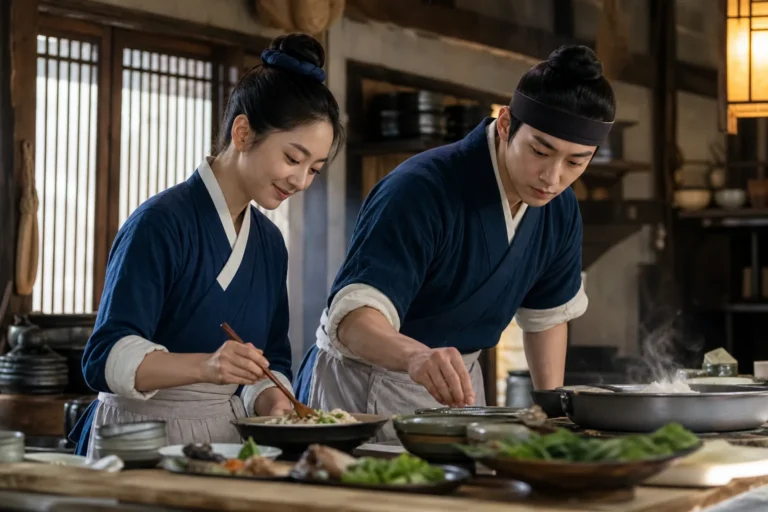
Food is once again becoming one of K-drama’s most reliable emotional hooks, as viewers who enjoyed The Legend of Kitchen Soldier look for more series built around kitchens, restaurants, palace meals, and the people transformed by them.
A new Soompi feature highlights five titles for fans missing the drama, pointing to a familiar but durable pattern in Korean television: cooking is rarely just cooking. In these stories, a meal can become a confession, a challenge, a survival tactic, or the first sign that a guarded character is beginning to change.
The renewed interest around food-centered dramas reflects a broader viewing habit. Audiences often use a breakout title as a bridge into older or related series, especially when the appeal is not only the cast but a clear storytelling mood. For The Legend of Kitchen Soldier, that mood appears to be comfort mixed with stakes: food creates warmth, but the characters still have something urgent to prove.
Why Food Works So Well On Screen
Food gives K-dramas an unusually flexible visual language. A kitchen can be a workplace, a battlefield, a family space, or a place where status disappears. Characters who cannot say what they feel can still cook for someone, refuse a dish, improve a recipe, or compete over who understands taste better.
That flexibility explains why the recommendations move across genres rather than staying in one lane. The Soompi list includes modern workplace revenge, palace body-swap comedy, historical ambition, and romance. The common thread is not the plot structure; it is the way food allows characters to express desire, pride, resentment, care, and reinvention without stopping the story for exposition.
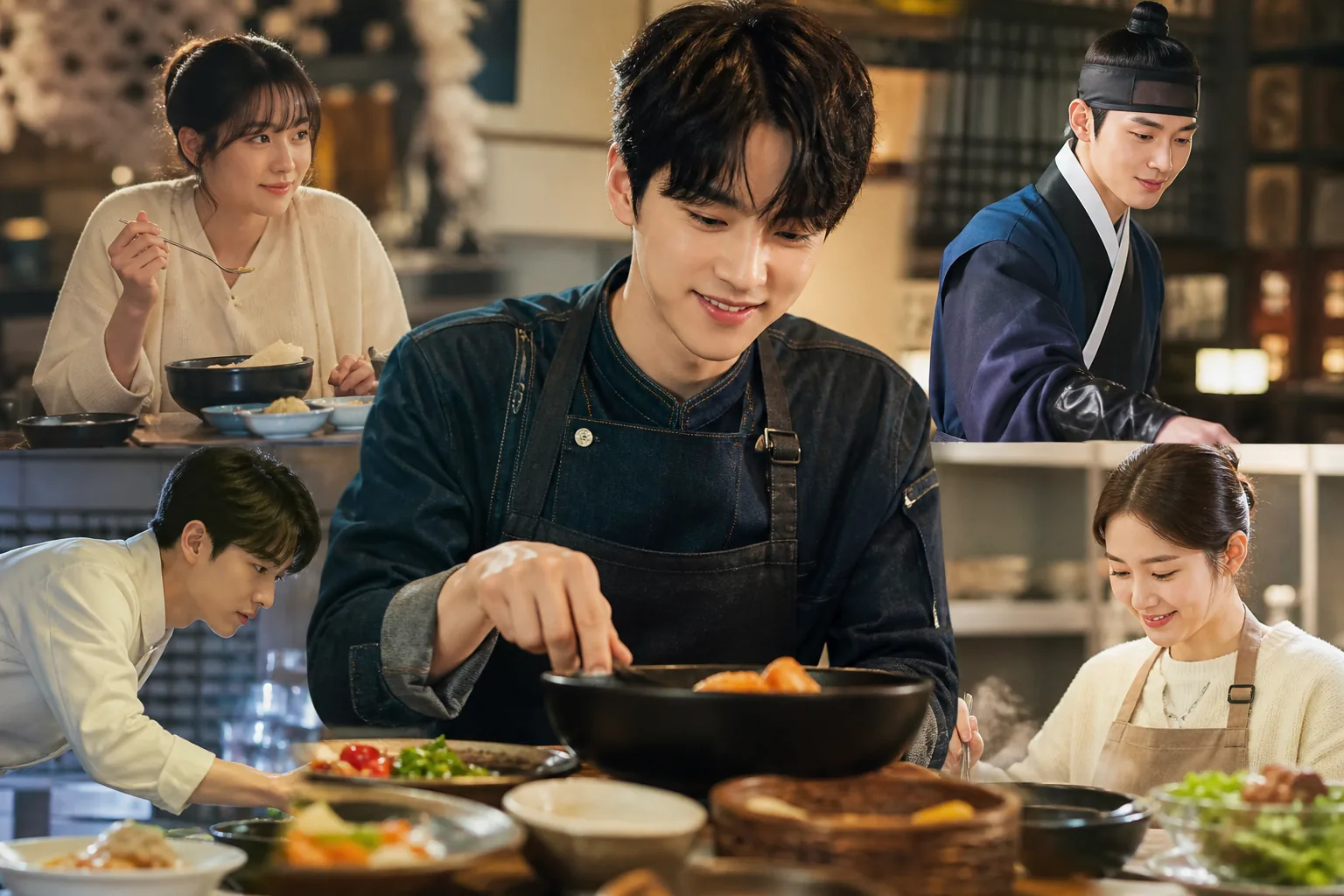
Wok of Love is one example of the restaurant as a second chance. The series follows Seo Poong, played by Lee Junho, after professional and personal betrayal pushes him from a high-end hotel kitchen into a struggling Chinese restaurant. Around him are people who also need a restart, including a former loan shark trying to create honest work and a woman whose life changes suddenly after her family’s collapse.
The appeal of that setup is direct: the kitchen becomes a place where wounded people can build competence again. Revenge is present, but the drama also depends on repetition, labor, and trust. Every dish is part of a longer argument about whether people can rebuild their lives through craft.
From Palace Comedy To Restaurant Revenge
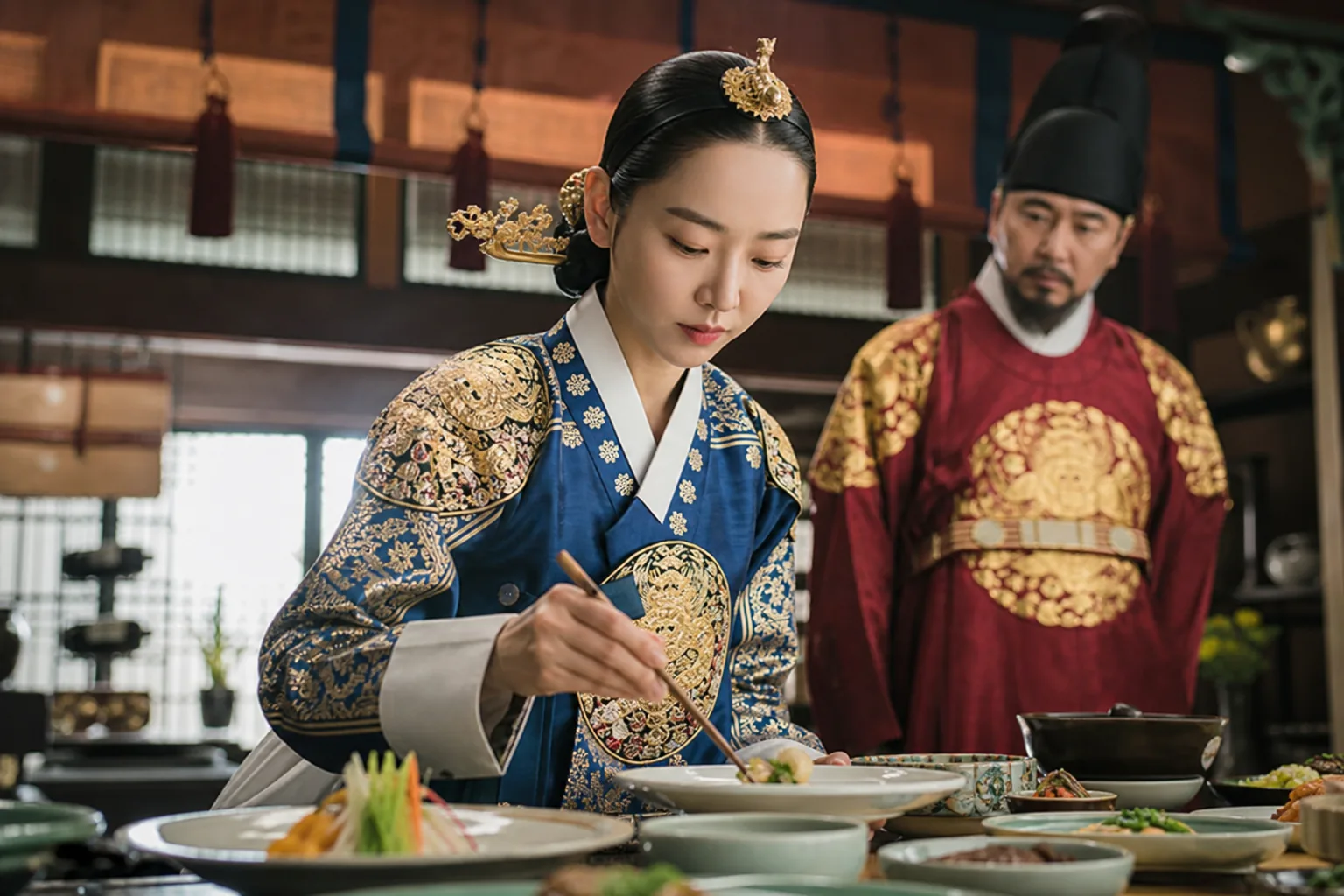
Mr. Queen shows the same device in a very different register. Its central joke begins when a modern chef’s consciousness is thrown into the body of a Joseon queen, creating a collision between contemporary kitchen confidence and palace etiquette. The result is comedy, but the cooking also becomes a form of political navigation inside a dangerous court.
Soompi also points to Bon Appetit, Your Majesty, another time-crossing palace story in which a French-trained chef uses modern techniques after landing in the Joseon era. In that kind of drama, cuisine becomes both spectacle and strategy. A dish can buy time, shift a ruler’s perception, or reveal that a character understands power in a way others underestimate.
Modern food stories can be just as pointed. Itaewon Class is less about cooking technique than about the restaurant as a vehicle for revenge, identity, and social mobility. Park Sae Roy’s DanBam is not only a business; it is the visible proof of a long plan to challenge a powerful food conglomerate after personal tragedy and injustice.
That is why food dramas often remain easy to recommend years after their release. They offer sensory pleasure, but they also give viewers a concrete way to track character growth. A better kitchen, a fuller dining room, a successful menu, or a shared meal can show progress more clearly than dialogue alone.
A Comfort Genre With Real Stakes
The oldest title in the recommendation set, Jewel in the Palace, underlines how long this formula has worked. Its story of Dae Jang Geum moving from palace kitchen work toward medicine helped establish food, discipline, and institutional struggle as a foundation for sweeping historical drama.
For current viewers, the draw is not nostalgia alone. Food-themed K-dramas provide a balance that many audiences actively seek: they can be warm without being weightless, romantic without abandoning professional ambition, and dramatic without losing the everyday pleasure of watching people make something with their hands.
As interest continues around The Legend of Kitchen Soldier, the recommended titles show that K-drama has built a deep bench of stories where meals carry emotional and narrative weight. Whether set in a palace, a hotel kitchen, a neighborhood pub, or a royal medical path, the genre keeps returning to the same simple idea: what characters prepare for others often reveals who they are becoming.



Join the Conversation
Log in to share your thoughts and join the conversation with other fans.