
Hearts2Hearts Performance Sparks Debate Over Lip-Syncing With Handheld Mics

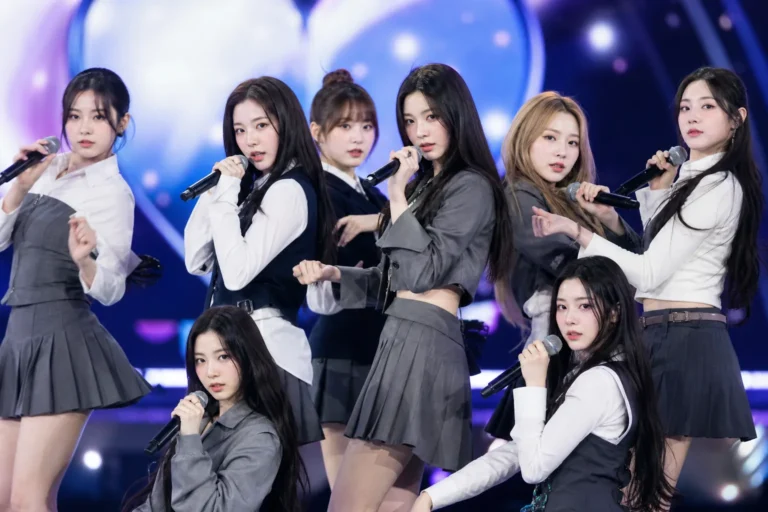
Hearts2Hearts, SM Entertainment’s rookie girl group, has become the focus of a new online debate after a recent stage at the 2026 Busan One Asia Festival drew questions about whether the members were singing live while holding handheld microphones.
The discussion began after a post on a Korean online community criticized the group’s performance of “Lemon Tang” at the festival. The writer said they followed Hearts2Hearts closely and believed the members had already shown they could sing live, but felt the Busan stage looked unusually polished for a fully live performance.
According to the report, the post pointed to a moment during the performance when member Stella appeared not to raise her microphone while a vocal line was still heard. That detail quickly became the center of the conversation, because handheld microphones often signal a stronger expectation of live vocals than headset mics or clearly performance-focused broadcast stages.
Why the microphone detail mattered
In K-pop, lip-syncing debates are rarely about one technical slip alone. They often reflect a larger tension between precise choreography, broadcast-ready staging, and the public’s desire to hear live singing from idol groups. For rookie acts in particular, those expectations can be intense because each festival stage helps shape early public perception.
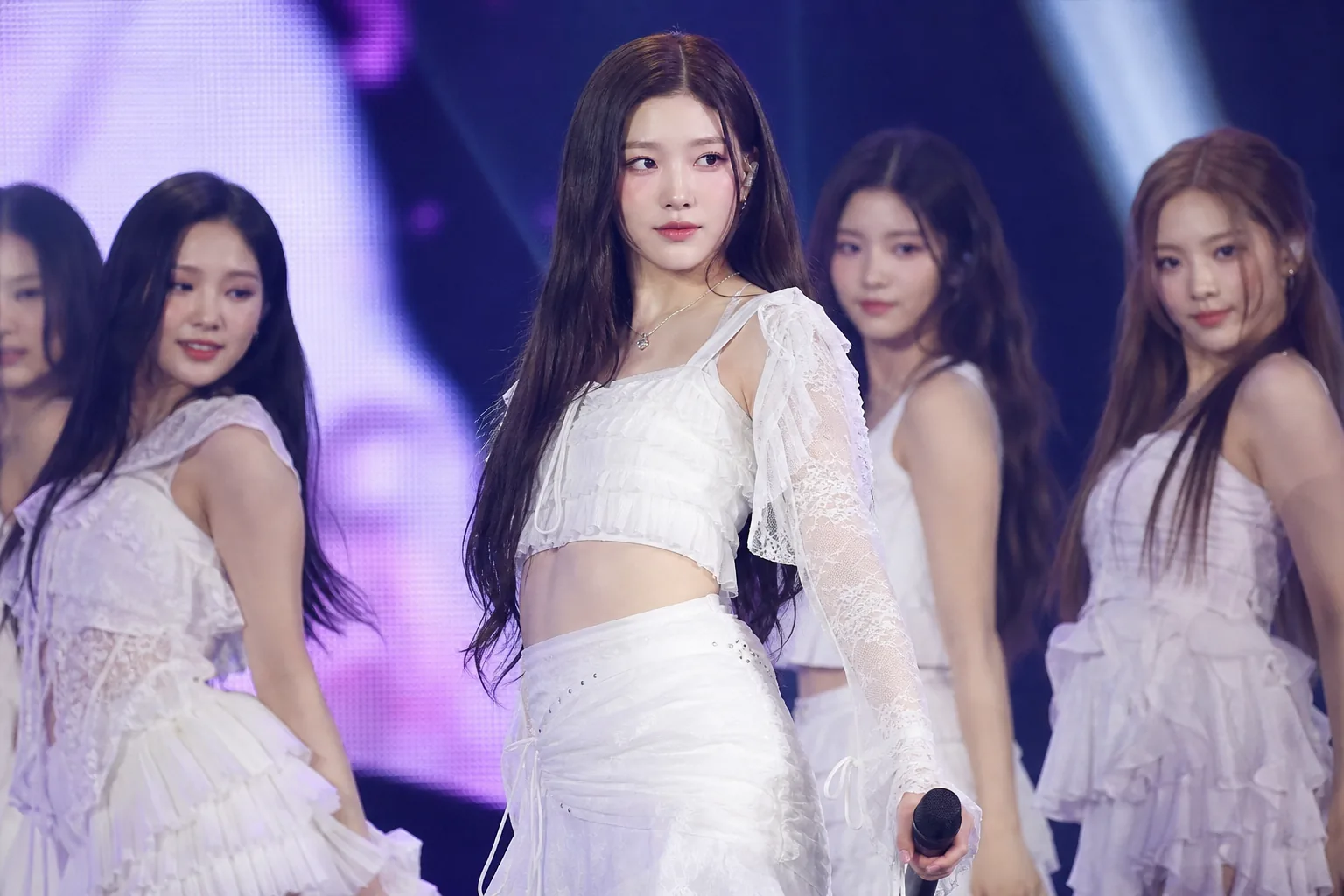
The criticism was not framed only as a question of ability. The original discussion also suggested that if the group was not going to sing live, the stage might have looked more natural without handheld microphones. In that view, the issue was less whether Hearts2Hearts can sing and more whether the performance design created a mismatch between appearance and delivery.
That distinction is important because Hearts2Hearts has recently been receiving attention for its growth as a new SM group. A separate sales milestone for “Lemon Tang” had already positioned the act as one of the rookies to watch, and the group has been building visibility through festival stages, music show appearances, and online clips.
Fans split over standards for rookie stages
Reaction to the Busan clip was divided. Some netizens argued that the group had already demonstrated live skill at other public events, making one possible lip-synced stage less meaningful. Others said that if a performance uses handheld microphones, viewers are reasonable to expect the vocals to be live or at least clearly supported by live singing.
Several responses also broadened the debate beyond Hearts2Hearts. Lip-syncing has long been common in parts of the idol industry, especially where demanding choreography, outdoor audio conditions, tight broadcast schedules, or promotional priorities are involved. Still, fans tend to react differently depending on the setting, the group’s reputation, and whether the stage presentation appears to promise a live vocal showcase.

That is why the Busan discussion gained traction even though it did not include an agency statement or a formal controversy. It touched a familiar fault line in K-pop: fans want polished performances, but they also want signs that the polish does not erase the artists’ live presence. A single mic movement can therefore become evidence in a much larger argument.
A small moment with wider implications
For Hearts2Hearts, the practical impact may be limited if future stages continue to show vocal confidence. The strongest defense from supporters is that the group has already built a record of capable live singing, which makes the Busan moment easier for fans to treat as a production choice rather than a weakness.
At the same time, the conversation shows how quickly rookie groups are judged in the current performance environment. Festival stages are no longer seen only by people in the venue; short clips are replayed, slowed down, compared with older stages, and used to define an act’s credibility. That makes choices about microphones, backing tracks, and camera-ready choreography more visible than ever.
The debate around Hearts2Hearts is ultimately less a final verdict on the group than a reminder of how high the bar has become for new K-pop acts. Fans may accept backing tracks and production support, but they are increasingly attentive to whether a stage feels honest about what it is presenting. For a rookie group still shaping its identity, that perception can matter almost as much as the performance itself.


Join the Conversation
Log in to share your thoughts and join the conversation with other fans.