
Veteran Actors Shin Goo and Park Geun-hyung Front New Charity Campaign

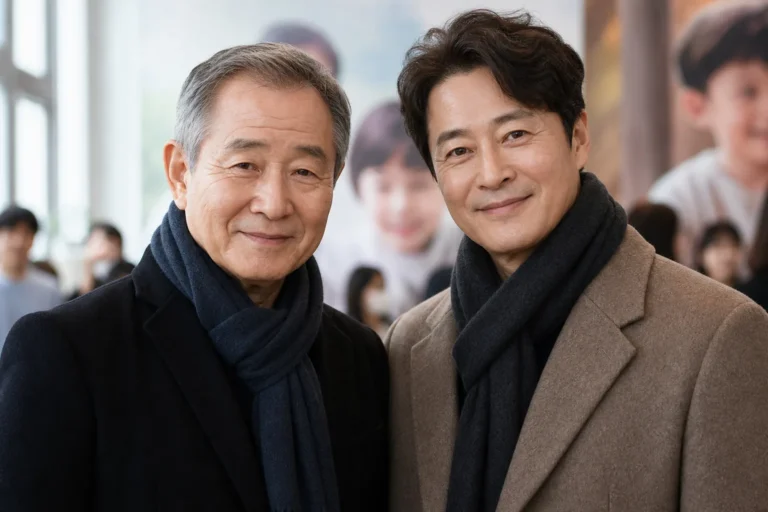
Shin Goo and Park Geun-hyung, two of Korea’s most enduring screen and stage actors, are stepping into a new public role together. Community Chest of Korea, widely known through its Love Fruit charity symbol, said on June 30 that the actors have been chosen as its annual brand advertising models for 2026.
The casting brings together two performers whose careers stretch across more than six decades each. Shin Goo, now 90, began his acting career in the early 1960s, while Park Geun-hyung, 86, made his stage debut in the late 1950s. Korean reports noted that their combined acting experience adds up to more than 130 years, making the pairing less a celebrity endorsement than a statement about public trust and longevity.
The campaign is also being framed as their first advertisement built around a two-person, or couple, concept. The actors previously appeared in the same advertising context after joining the cast of tvN’s travel variety program Grandpas Over Flowers in 2013, but this year’s Love Fruit project places the two of them at the center of the message.
According to Community Chest of Korea, the advertisement is scheduled to be filmed on July 1 and released in late July through outdoor media in Seoul’s Gwanghwamun area, television, and online channels. The organization said it selected the actors because their sincerity, continued creative work, and broad national recognition fit the values it wants the campaign to carry.
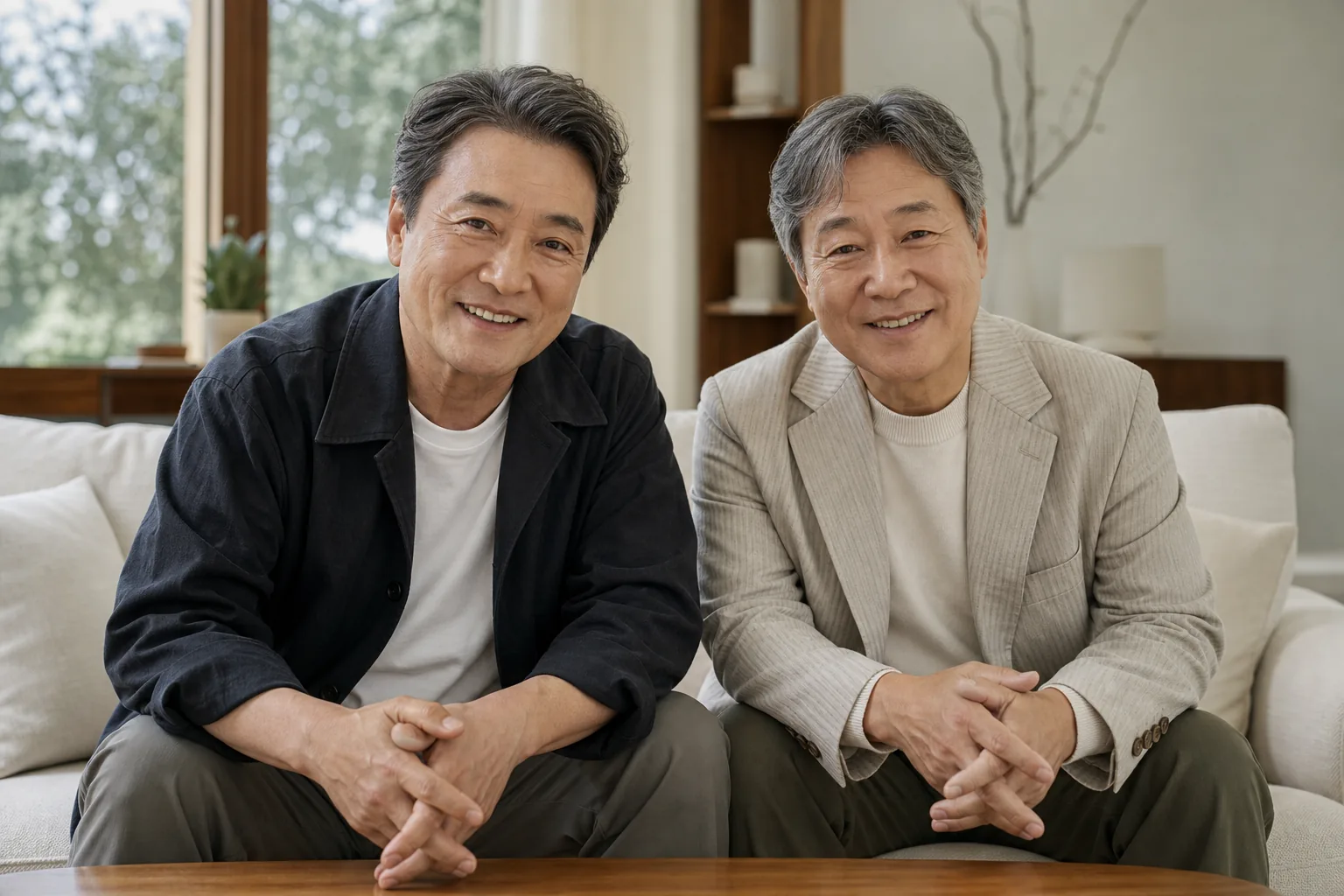
A Different Kind of Charity Message
Rather than presenting a conventional appeal for donations, the campaign will lean on a broader theme: what remains distinctly human in an age increasingly shaped by artificial intelligence. The approach draws on research from the organization’s Sharing Culture Research Institute, including its 2026 giving-trend work on rediscovering donation and humaneness in the AI era.
That framing gives the advertisement a wider cultural angle. The message is expected to present giving not simply as a financial act, but as an expression of empathy, dignity, and human connection. For a public charity organization, choosing two senior actors known for persistence and craft helps translate those abstract ideas into familiar faces.
The campaign also arrives at a moment when Korean entertainment figures are often asked to serve as symbols beyond their latest drama, film, or variety appearance. In this case, Shin Goo and Park Geun-hyung are being positioned not as trend-driven stars, but as artists whose long careers can speak to younger generations about resilience and responsibility.
Both actors expressed gratitude for the new role, saying they considered it meaningful to join the Love Fruit campaign and wanted to return the public affection they have received through warm acts of sharing. Their comments underline the campaign’s emphasis on reciprocity: a long career shaped by audience support now being used to encourage support for others.
Stage Work Still at the Center
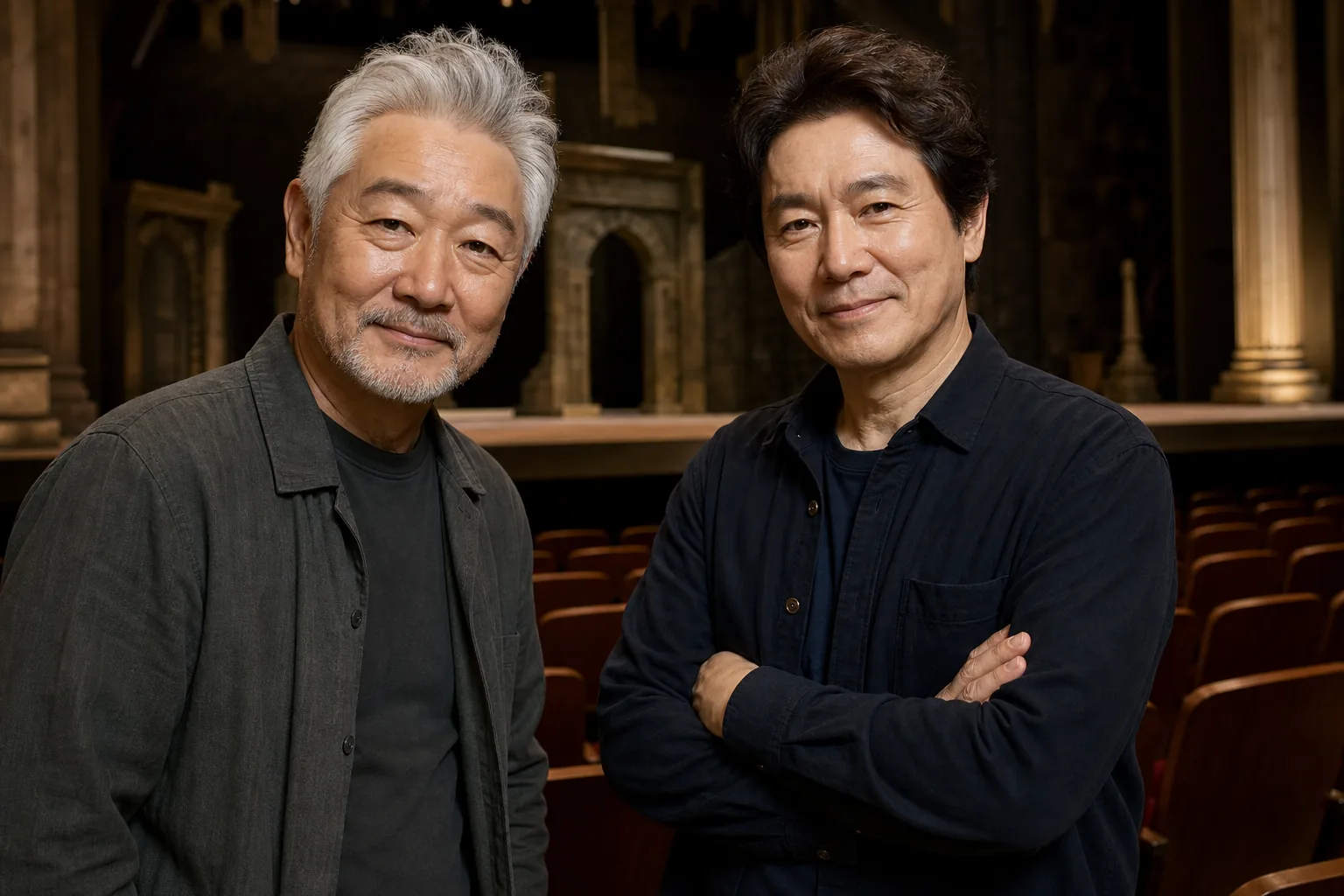
The advertising news is tied closely to the actors’ continuing work in theater. Shin Goo and Park Geun-hyung are set to appear together in The Merchant of Venice, which opens on July 8. A July 11 performance at the National Theater of Korea’s Haeoreum Grand Theater is planned as a donation performance to support young and emerging stage actors.
Proceeds from ticket sales and on-site donations from that performance are expected to go toward the Theater Tomorrow Fund, which supports training, creation, and production opportunities for younger performers. The fund grew out of their earlier participation in a donation performance of Waiting for Godot, another example of how their later-career stage work has become connected to arts patronage.
That background gives the Love Fruit campaign a concrete foundation. The actors are not only speaking about generosity in an advertisement; they are also involved in a project that channels theater audiences’ support toward the next generation of performers. For Korean entertainment watchers, it links the visibility of a public campaign with the less visible economics of sustaining live performance.
Shin Goo and Park Geun-hyung remain widely recognized by television audiences, but this campaign emphasizes their identity as working actors first. Their continued stage appearances, especially at their ages, have become part of their public image: disciplined, active, and still willing to take on demanding roles.
For Community Chest of Korea, that image is useful because it reframes charity around example rather than instruction. The organization said the campaign will focus on comfort and encouragement from older adults to younger people, using the actors’ lives of steady challenge to communicate a message about human warmth.
The result is a campaign that sits at the intersection of entertainment, philanthropy, and public culture. It uses the familiarity of two beloved veteran actors to make a contemporary point: even as media, technology, and advertising change rapidly, the act of giving still depends on human trust.
Join the Conversation
Log in to share your thoughts and join the conversation with other fans.