
aespa and BTS Appearance Debates Put K-Pop Body Scrutiny Back in Focus

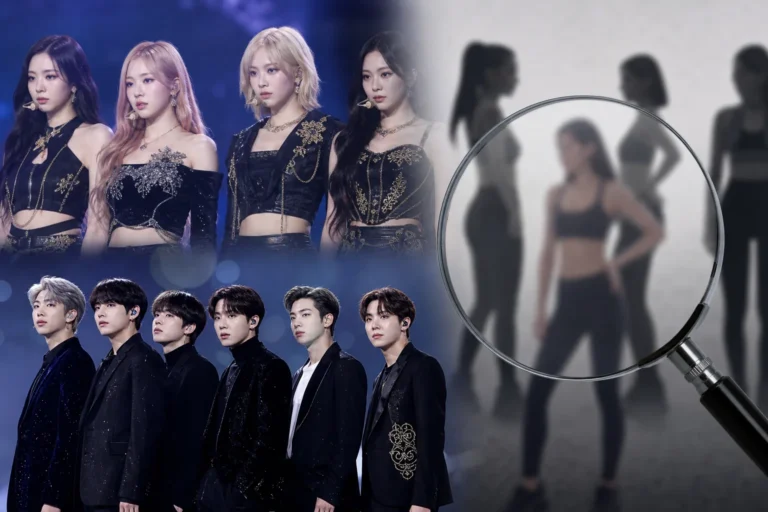
Several new online discussions involving aespa and BTS have pushed K-pop appearance scrutiny back into the spotlight, with fans and critics debating how far public commentary should go when it involves idols’ bodies, faces, and presumed personal choices.
The latest wave began after aespa’s recent performance content and promotional photos drew attention on social platforms. Separate posts about Giselle and Winter circulated widely, while a Paris Fashion Week video of BTS’s V was pulled into a parallel conversation about cosmetic procedures and natural facial movement. None of the discussions came from agency medical statements or direct comments by the artists. They were driven largely by viral fan posts, quote reposts, and visual comparisons.
In Giselle’s case, online users focused on her slimmer appearance after aespa’s performance of “Lemonade.” Some comments framed the discussion as concern over weight loss, while others moved into blunt criticism of her proportions and the group’s image. The speed of the reaction showed how a short performance clip can become a wider referendum on an idol’s body within hours.
Winter became the subject of a different but related debate after a W Korea photoshoot image was compared with older pictures. Viral posts claimed she looked dramatically different, and some users made allegations about cosmetic surgery. The conversation quickly moved beyond styling, lighting, makeup, and photo editing into direct speculation about her face. That shift is common in idol culture, where highly produced images are often treated as evidence for claims that cannot be verified from photos alone.
Why the Debate Spread Beyond One Group
The BTS-related discussion developed from the opposite direction. After V appeared at Celine’s Paris Fashion Week show, fans shared clips praising his expressive reactions. Some users then connected the clip to wider arguments about fillers, Botox, and whether idols can move their faces naturally. The tone was more complimentary toward V, but it still relied on the same public habit: reading medical or cosmetic conclusions from brief visual moments.
Taken together, the three conversations underline a recurring tension in Korean entertainment coverage. Idols are expected to look polished in stage performances, magazine shoots, airport arrivals, and luxury fashion events, but the same constant visibility also makes every change a potential controversy. Weight, styling, facial expression, camera angle, and editing can all become material for speculation.
That does not mean every fan reaction is malicious. Many fans say they raise body-related concerns because they worry about the pressure placed on performers. K-pop schedules can be demanding, and the industry has long faced criticism over narrow beauty expectations. But concern can easily become invasive when it turns into diagnosis, ridicule, or certainty about private medical choices.
The issue is especially sensitive because agencies rarely address appearance rumors unless they become legally or commercially serious. That silence can protect artists’ privacy, but it also leaves social media to fill the gap. Once screenshots and clips go viral, the absence of confirmation often does not slow speculation. Instead, it can encourage competing narratives from different fandoms.

Privacy, Standards, and the Cost of Constant Visibility
For aespa, the latest comments arrive during a period of intense attention on the group’s visuals and performances. For BTS, V’s fashion-week appearance shows how even positive praise can become part of a larger beauty-standard argument. The artists are in different situations, but both cases show how quickly idol image management becomes a public contest over authenticity.
There is also a media literacy problem. Magazine shoots involve lighting, lenses, styling, retouching, and creative direction. Stage clips are affected by movement, distance, compression, and camera angles. Fashion-week videos capture fleeting expressions in chaotic environments. Treating these materials as clinical evidence ignores how entertainment images are made.
A more careful conversation would separate verifiable facts from speculation: what event happened, what image circulated, what fans said, and what remains unconfirmed. It would also avoid turning alleged weight changes or cosmetic procedures into insults. K-pop’s global audience has become more aware of mental health and privacy issues, but viral platforms still reward extreme takes.
The current aespa and BTS debates are therefore less about any single idol than about the ecosystem around them. As long as idols are expected to be both flawless and constantly accessible, appearance discourse will keep resurfacing. The challenge for fans, media outlets, and platforms is to discuss public images without treating performers’ bodies as open-ended public property.



Join the Conversation
Log in to share your thoughts and join the conversation with other fans.