

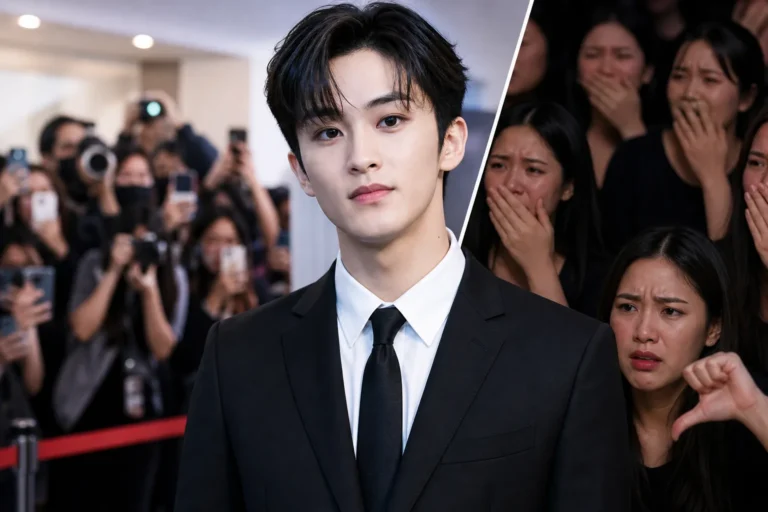
NCT’s Mark Lee became the subject of another fast-moving online debate after appearing at a promotional event in Thailand, where his formal styling divided fans and social media commenters. The discussion began after images from the event circulated on June 27, showing Mark in a white dress shirt, blue vest and matching blue dress pants for a solo appearance connected to SISOD Rice Milk.
The look drew criticism from some online users who described it as overly conservative or said it made the singer appear older than expected. Others pushed back just as quickly, arguing that the outfit made sense for the occasion and that the tone of the event required restraint. The split reaction turned a routine brand schedule into a wider conversation about how K-pop idols are styled for public appearances, especially when local customs and event expectations are involved.
Why The Outfit Became A Talking Point
According to the report, the Thailand event was connected to NCT DREAM’s role as an ambassador for the brand and had been scheduled before Mark’s reported departure from NCT. That background gave the appearance added visibility, while the setting itself shaped how fans interpreted the wardrobe choice. Supporters noted that Thailand was observing a mourning period and that attendees had reportedly been advised about an appropriate dress code ahead of the event.
In that context, fans defending Mark argued that a polished shirt, vest and dress pants were not a styling failure but a respectful response to the environment. Their point was simple: a brand event in a country observing mourning does not call for the same visual language as a music-show stage, tour stop or fashion campaign. For those fans, the outfit’s modesty was part of its purpose.
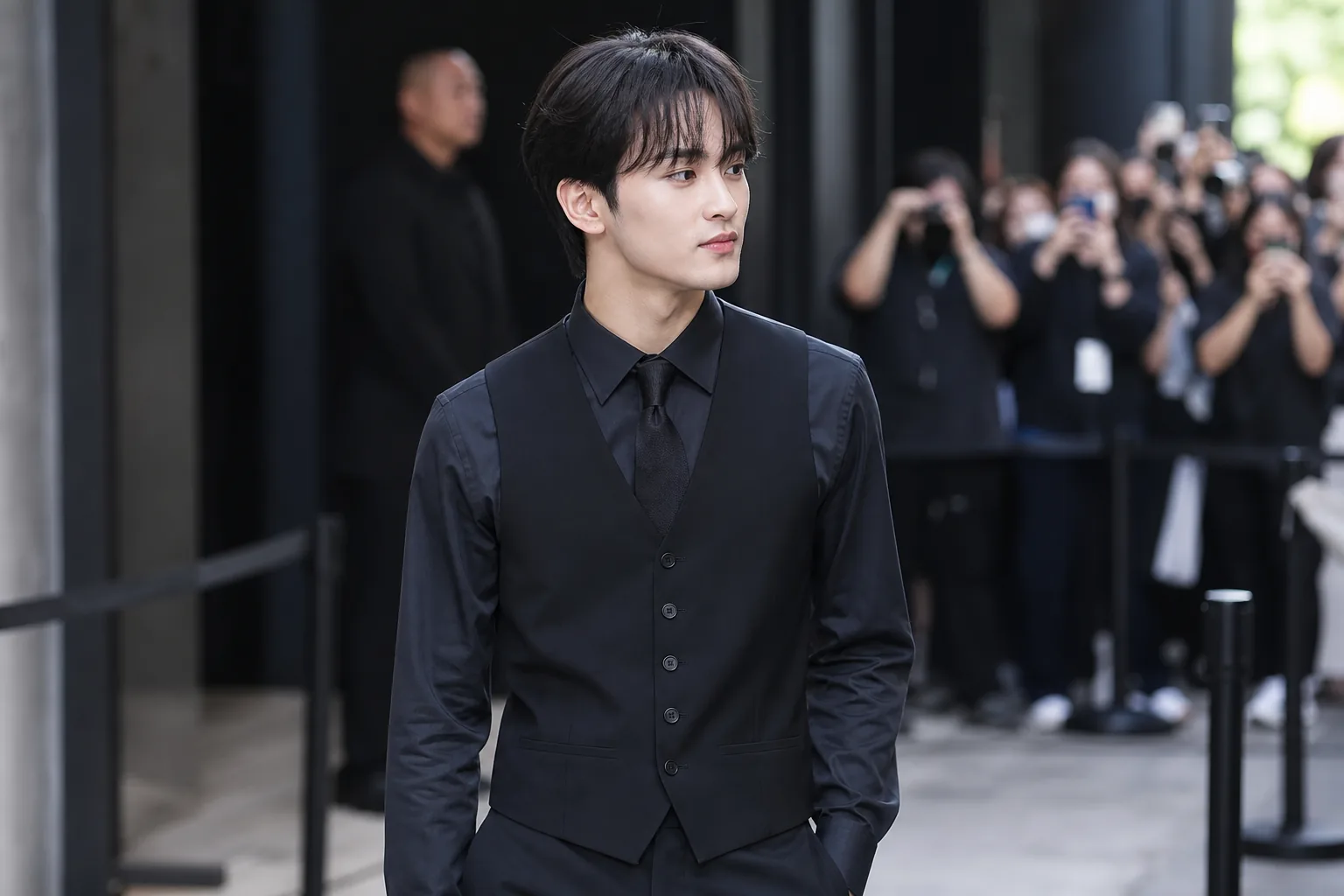
Critics, however, focused less on the dress code and more on the final visual impression. Some commenters compared the styling to conservative religious attire, while others said the combination lacked the sharper edge often associated with idol fashion. The disagreement showed how quickly K-pop styling can be judged outside the practical conditions that shape it, particularly when photos spread without the full event context attached.
Fan Defense Highlights Local Context
The strongest defense of Mark’s appearance centered on cultural and situational awareness. Fans emphasized that public events can require different standards depending on the host country, the mood of the occasion and the expectations given to attendees. What might appear plain in a cropped social media image can read differently when seen as part of a formal promotional setting.
The debate also reflected a familiar tension in idol coverage: fans expect artists to look polished and distinctive at all times, while agencies and stylists must also consider sponsors, local norms, schedules and risk management. A look that is safe for one room may be called dull online; a bolder look may attract a different kind of criticism. Mark’s Thailand appearance landed directly in that gap.
As the conversation continued, many fans praised the singer’s appearance and argued that the criticism was disproportionate. They described the styling as clean, respectful and suitable for the event. The opposing comments did not disappear, but the defense showed that the reaction was far from one-sided.
Separate T-Shirt Apology Adds To Scrutiny
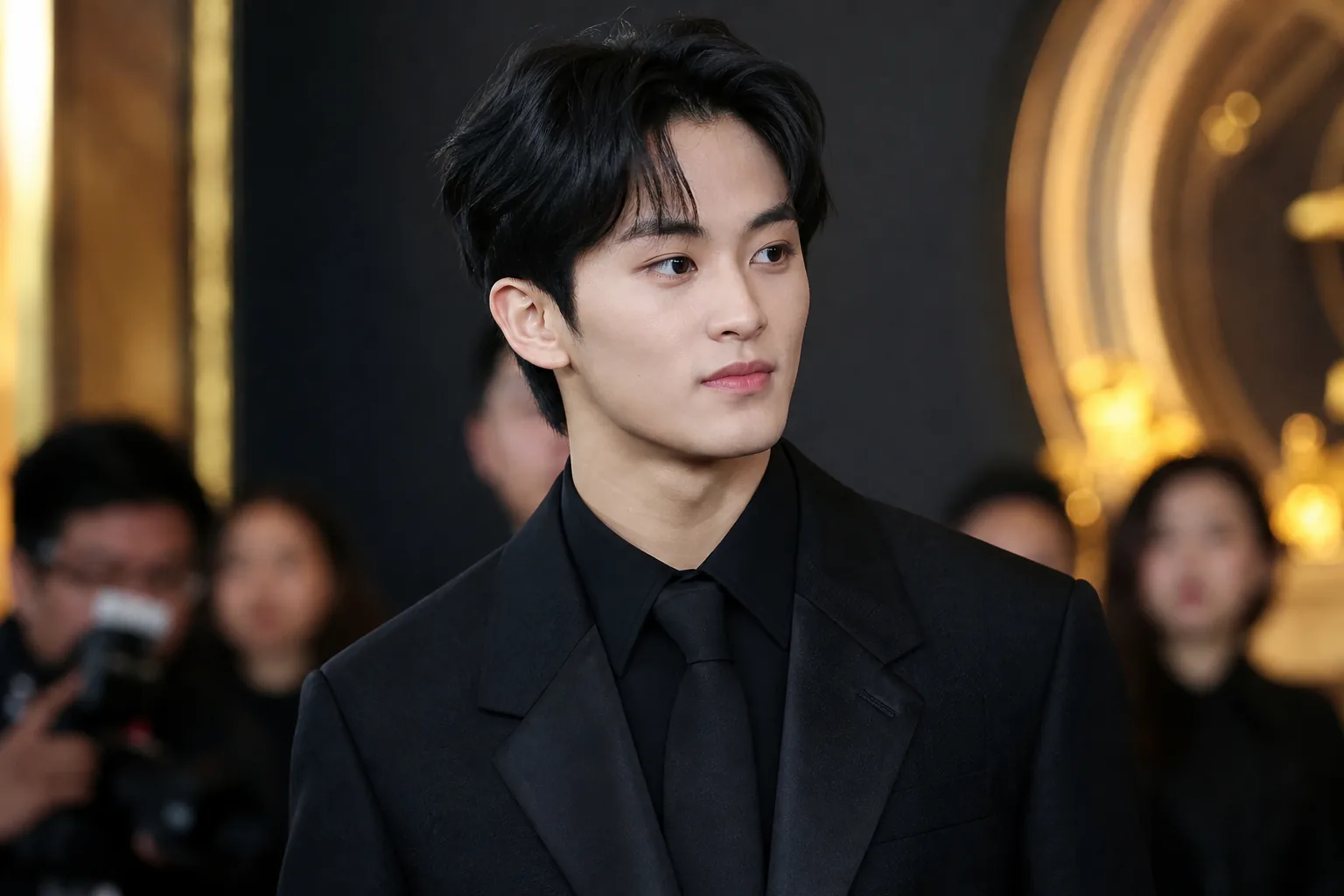
The styling discussion arrived while Mark was already receiving attention for a separate controversy involving images shared by his newly founded label, Upper Room. Those images showed him wearing a vintage raglan T-shirt that included the Confederate flag, a symbol widely associated with racism and historical oppression in the United States. After backlash spread online, the post was deleted.
Upper Room issued a public apology, saying the company had selected the shirt as a vintage item without recognizing the historical sensitivity of the symbol. The label said it was sorry for the concern and disappointment caused, and stated that it rejects racism, hate, discrimination and intolerance. The apology did not erase the criticism, but it marked an attempt to separate intent from impact and to acknowledge why the imagery was harmful.
The two discussions are different in substance. The Thailand styling debate centered on taste, context and event appropriateness. The T-shirt backlash involved a historically charged symbol and a formal agency response. Still, both episodes show how closely Mark’s current public image is being watched as he moves through a period of heightened attention.
For K-pop artists, public appearances increasingly operate in a global feedback loop. A wardrobe choice at a regional brand event can be judged by fans in multiple countries within minutes, while a vintage shirt can carry meanings that vary sharply depending on audience history and cultural knowledge. That speed places more pressure on artists, stylists and agencies to anticipate how images will travel beyond the room where they were created.
Mark’s Thailand appearance ultimately became less about one vest-and-shirt combination than about the standards applied to idols in transition. Some fans saw an appropriate formal look. Some critics saw uninspired styling. Others connected the conversation to broader concerns about management and image control. The reaction may fade quickly, but it underlines how even small public-facing choices can become major talking points in today’s K-pop news cycle.



Join the Conversation
Log in to share your thoughts and join the conversation with other fans.