
Viral Backlash Hits BTS’s Jimin and “EVAN (Heeseung)” After Unedited Stage/Media Clips Spread Online

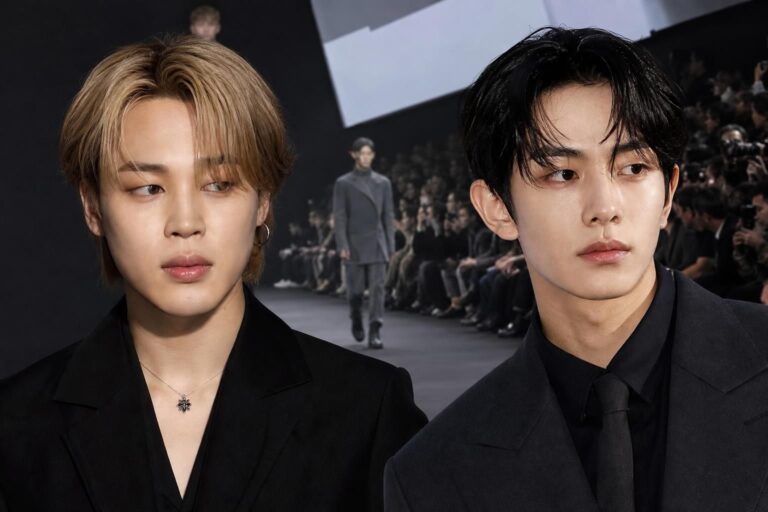
Two separate viral moments involving K-pop idols—BTS member Jimin at Paris Fashion Week and “EVAN (Heeseung)” during M Countdown—have triggered waves of harsh online criticism after unedited or preview clips began circulating on social platforms. According to Koreaboo, a video shared after Jimin’s attendance at a Dior show drew backlash focused on his appearance, while Koreaboo also reported that EVAN’s solo-debut performance footage sparked mocking comments about his confidence and stage presence.
Jimin’s Paris Fashion Week clip draws appearance-focused backlash
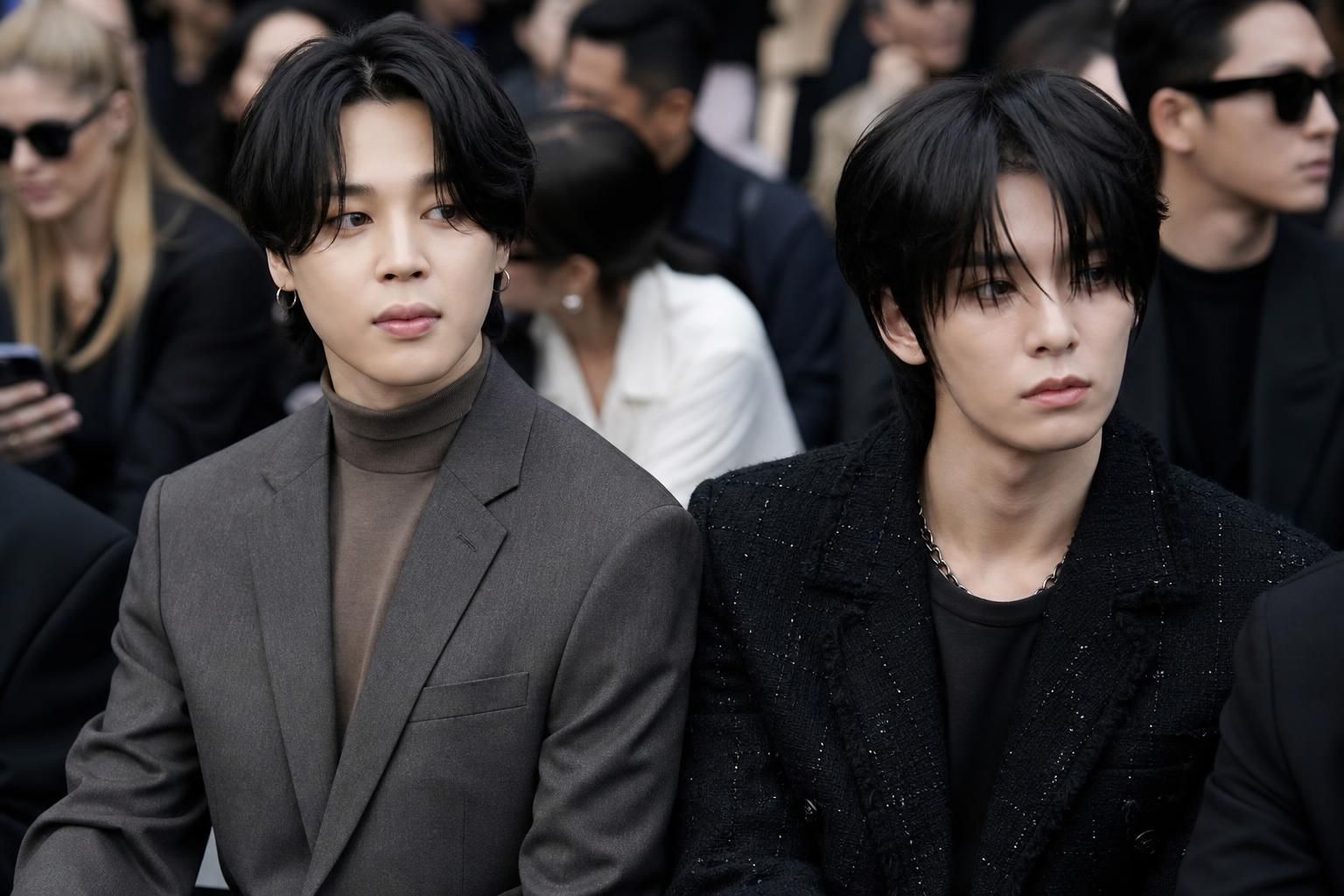
In the Jimin case, the controversy centers on how an unedited clip of the idol—taken in connection with his attendance at the Dior show during Paris Fashion Week—was framed by people online. Koreaboo reports that after a media outlet released the video, commenters responded with severe criticism and “malicious hate,” with the discussion focused less on context (the event setting, camera angles, or candid movement) and more on Jimin’s “visuals.”
The outlet also notes that the backlash appears to have been accelerated by the rapid spread of images and video snippets that circulated alongside the photos from major press outlets. In a typical social-media dynamic, short clips can strip away nuance—such as lighting, movement, or the immediacy of a live runway moment—then invite audiences to judge based on a single frame or brief expression.
That dynamic matters because fashion-week appearances are high-profile but tightly produced environments. Attendees are photographed from multiple angles by professional teams, and then those images often become the raw material for secondary commentary after the fact. When the initial visuals are presented without broader context—or when “unedited” footage is interpreted as proof of a negative narrative—it can become a magnet for coordinated criticism.
“EVAN (Heeseung)” faces scorn after M Countdown debut footage goes viral
Separately, Koreaboo reports that “EVAN (Heeseung)” encountered online backlash after making his M Countdown debut on June 25. Ahead of the performance, an interview clip and preview video reportedly went viral, including footage of the idol dancing to his track. In the comments, netizens criticized his actions as “shameless” and expressed embarrassment at watching the performance behavior.
Several comments highlighted perceived “overconfidence,” suggesting that the idol’s stage demeanor—rather than the music itself—became the focal point. One recurring theme was that the MCs appeared to be struggling not to laugh, which commenters interpreted as a sign that the moment was awkward rather than celebratory. Other criticisms targeted physical details such as dancing style and even footwear, with some remarks implying the shoes made the movement look worse.
The speed of escalation is also notable. Like in many idol-focused viral cycles, the content is short, emotionally legible, and easy to repost. Viewers can consume a clip and immediately deliver an opinion—especially when the clip includes visible reactions from surrounding people (in this case, MCs) that can be interpreted in multiple ways.
Why unedited clips can trigger disproportionately strong reactions
Both stories fit a broader pattern in today’s online media ecosystem: “unedited” or candid footage often travels faster precisely because it appears more authentic—or more revealing—than polished content. But the same quality can invite unfair interpretation. A candid moment captured during a live event, for instance, can reflect timing, lighting, or movement rather than a stable “look” or consistent performance persona.
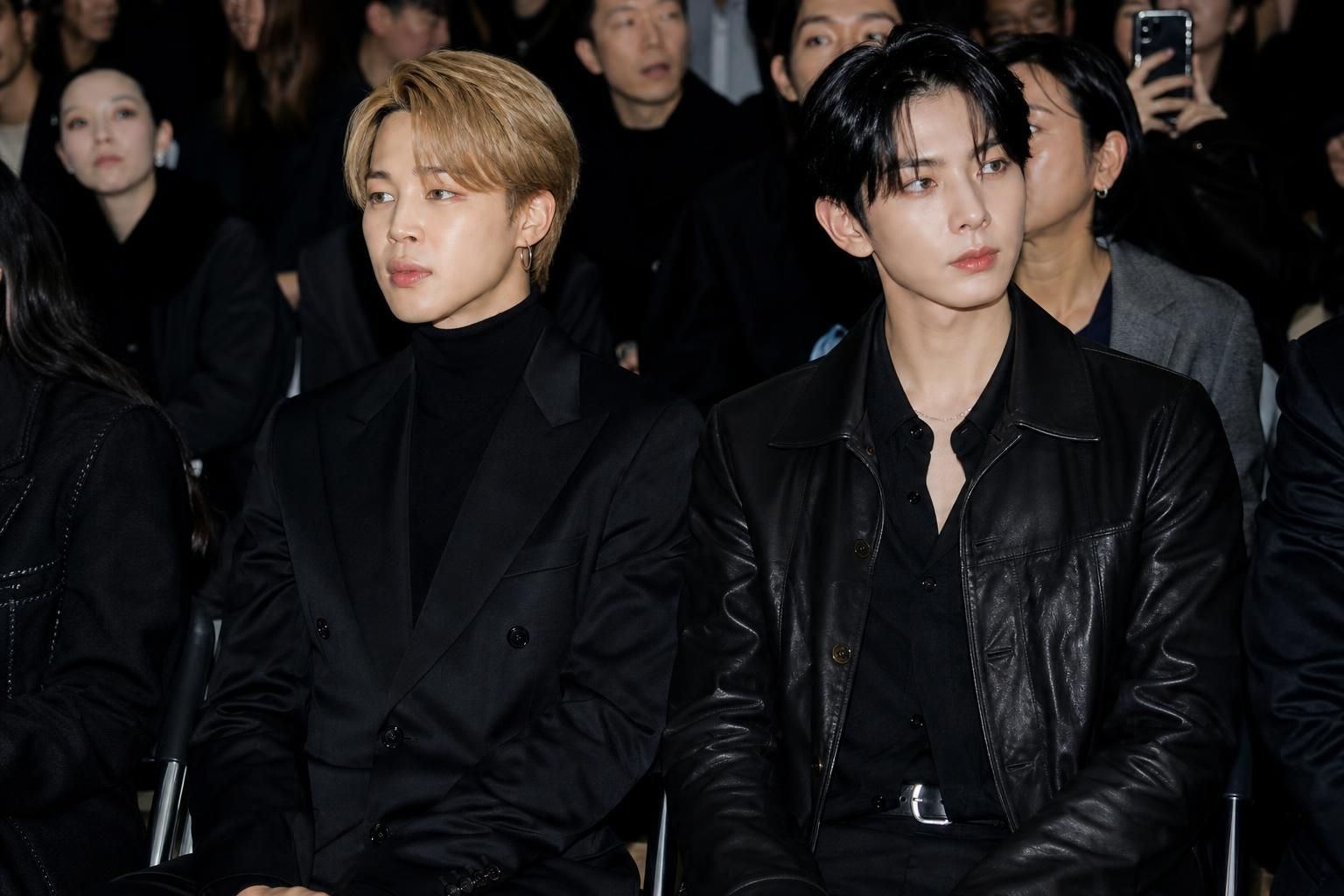
In the Jimin case, the criticism reportedly centered on appearance after the clip and accompanying photos circulated. In EVAN’s case, commentary reportedly emphasized confidence and staging choices after debut-related footage spread. In both situations, the audience response suggests that virality can shift attention away from artistic output (fashion styling, song performance, choreography) and toward personal judgment.
What fans and critics are likely to watch next
For idol agencies and media outlets, the key question is whether platforms will differentiate between critique and targeted harassment. While some commentary may be framed as opinion on performance or visual presentation, both reports describe “malicious hate” and mocking tones. That increases the risk that backlash becomes harassment rather than feedback.
For fans, the next phase typically involves counters: reposting official photos or full performance clips to provide context, highlighting that short videos omit key frames, and urging moderation or reporting of abusive comments. For the idols, the path forward usually includes continued public appearances and releasing polished content that can reclaim narrative control from fragment-based viral clips.
As these two incidents show, a single clip can rapidly become a proxy for wider debates—about appearance standards, confidence, and the boundaries of “criticism.” Until social platforms slow down the spread of decontextualized media, more high-profile figures will likely face similar cycles whenever candid footage meets an algorithm-accelerated comment economy.

Join the Conversation
Log in to share your thoughts and join the conversation with other fans.