
Pop Culture Storm Hits K-Pop’s Weekly Stages as Controversy Over Minor-Heavy Choreography and Styling Goes Viral

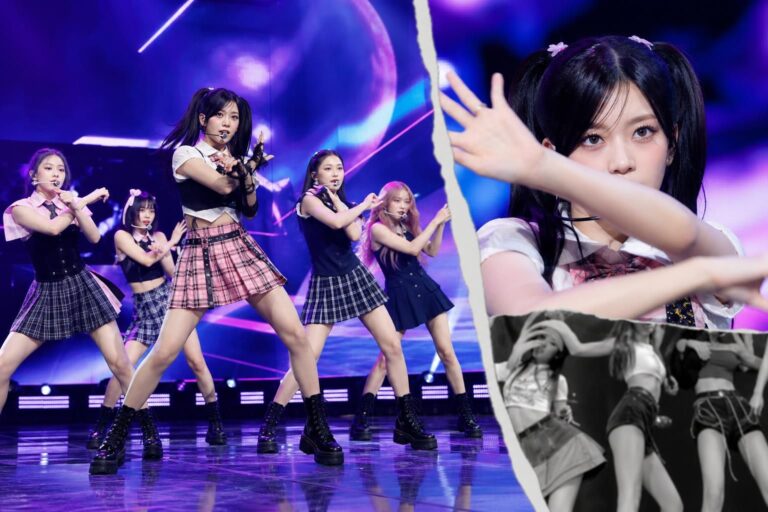
Viral posts are driving fresh controversy across K-pop this week, as two separate issues—one tied to an upcoming magazine cover’s styling and another sparked by a choreography choice during the M Countdown broadcast—have ignited criticism online. According to reports, both stories quickly turned from performance or visual topics into wider debates about media presentation, fandom gatekeeping, and how audiences interpret content involving young performers.
KATSEYE magazine cover backlash: “Where are their eyebrows?”
One flashpoint centers on KATSEYE, whose members were featured on the cover of Allure Philippines. The cover was shared on social media and rapidly drew harsh reactions, with commenters focusing in particular on facial styling details. Some critics specifically said the members’ eyebrows looked “missing” or unnatural, using mocking language and sharing the image widely as an example of “weird styling.”
While the discussion largely stayed visual, the tone was pointed: critics singled out particular members rather than treating the cover as a whole. Supporters, meanwhile, questioned the “malicious mockery” framing—arguing that appearance-based backlash ignores how editorial shoots and retouching decisions are often set by stylists and production teams rather than by the artists themselves.
Minor-heavy group faces scrutiny over “exercise ball” choreography
In a second, more contentious thread, another K-pop group—AtHeart—came under scrutiny after a performance on M Countdown. The reported controversy followed the group’s choreography for the song “Say It,” which includes the use of exercise balls as part of the routine. The video spread quickly online, and the choreography became a talking point partly because of how unusual and high-visibility the staging looked.

However, the debate escalated when critics emphasized the performers’ ages. According to the report, the group’s oldest member is 19, while the rest are between 16 and 18—age ranges that are treated as minors in South Korea. Some viewers expressed “worry” that the choreography could be interpreted inappropriately, arguing that the staging might be “taken the wrong way” due to the members’ youth.
That concern immediately produced backlash from other users, who accused critics of projecting sexual intent where none was intended. In the viral exchanges, supporters argued that idols—especially female performers—should be allowed to participate in fun or athletic concepts without audiences automatically assuming sexualization. Critics of the controversy also suggested that fandom behavior can become an unintended shield for companies, claiming that watchers should focus responsibility on producers and broader industry norms rather than on the performers.
What’s driving the viral cycle: styling, interpretation, and “context collapse”
Taken together, the two stories highlight a recurring dynamic in online entertainment coverage: once content spreads, audiences often treat editorial choices—whether hair, makeup, or choreography—as if they were direct statements by the performers. In the KATSEYE case, the discussion centered on eyebrow styling and facial features, encouraging derision that blurred the line between artist identity and professional production decisions.
In the M Countdown case, the controversy followed the choreography and then quickly “collapsed” into an interpretation problem: viewers did not just evaluate the performance, they evaluated it through the lens of age and perceived intent. That lens, in turn, shaped how people read the same staging—some seeing harmless athletic props, others seeing potential for sexualized interpretation.
Competing pressures for idols and agencies
The controversies also underscore the balancing act K-pop performers and agencies face. On one hand, music shows and editorial shoots rely on visually striking concepts—styled looks, bold styling choices, and choreographies designed to go viral. On the other hand, the instant feedback loop of social media can turn any unconventional choice into a proxy debate about exploitation, ethics, or taste.
For groups with members in their teens, scrutiny may intensify further. The AtHeart discussion suggests that the same choreography could be received differently if performed by older artists, even when the content is identical. Meanwhile, the KATSEYE episode shows that even non-performance visuals—like magazine cover styling—can become targets for cruelty, with online comments focusing less on the creative direction and more on individual appearance.
What happens next
In both threads, the likely next phase is more content-driven clarification: social media users often generate follow-up posts, additional clips, and commentary threads that either escalate or soften the narrative. If the controversies persist, agencies and management teams may face pressure to address concerns—particularly if critics argue that creative decisions lacked appropriate sensitivity given performer ages.
For viewers and industry watchers, the longer-term question is whether platforms and communities can shift the conversation from personal mockery and speculation toward clearer context—who decided the styling, what the choreography was intended to communicate, and where responsibility truly lies. Until that happens, viral moments like these will likely continue to produce rapid, polarized interpretations.



Join the Conversation
Log in to share your thoughts and join the conversation with other fans.