
ITZY’s Yeji Shuts Down “Date/Marry” Shipping Request, Igniting Debate Among Fans


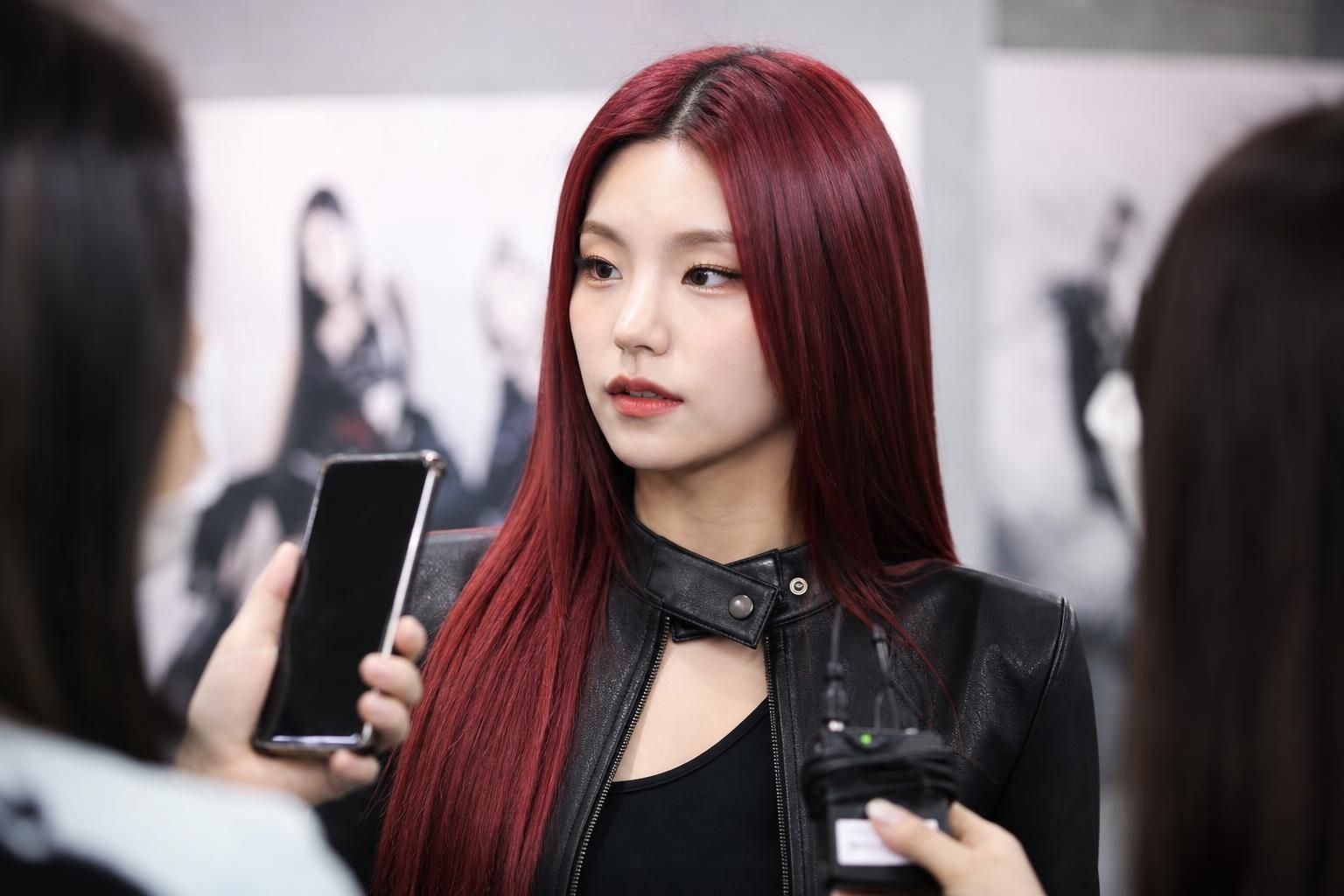
ITZY member Yeji has sparked a fresh round of online debate after directly rejecting a fan’s request that she date—then even marry—her fellow member Ryujin. The exchange, which took place on fan communication platform Bubble, quickly spread across social media and drew mixed reactions from the wider fandom community.
What happened on Bubble
According to coverage of the message, a fan sent a highly emotional note urging Yeji and Ryujin to “get together,” repeatedly framing the request as sincere and “serious.” The fan’s message escalated from dating to marriage, telling the two idols to act on the perceived chemistry fans feel between them.
Yeji’s response was brief but firm. In short, she indicated that no matter how much the fan might like them, they would not date. While the statement was not elaborate, it was clear enough to be interpreted as a direct boundary-setting moment.
The incident stands out because it was not a vague “no comment” or indirect reference—Yeji addressed the request directly in the same space where such questions can be common, helping turn an ordinary shipping conversation into a visible controversy.
Shipping culture vs. idol comfort
Reactions online split sharply. Some users described Yeji’s reply as a light, appropriate correction, arguing that fans should be able to express enthusiasm for idol friendships or on-screen dynamics without turning them into demands for personal relationships.
Other commenters were far harsher, saying the underlying behavior—asking idols repeatedly to date or marry—crosses a line from harmless fandom play into something that can make performers uncomfortable. Several responses emphasized that repeated “shipping” can influence how idols behave with each other publicly, potentially reducing natural interaction in order to avoid more speculation.
That viewpoint resonated with a separate theme that has emerged across K-pop fan communities in recent years: repeated romantic speculation can feel less like entertainment and more like pressure—especially when fans push questions into direct messaging channels rather than discussing them among themselves.
A broader pattern of “real-life” romance speculation
The debate arrives as dating rumors and “coincidental closeness” remain a recurring storyline in idol coverage. Earlier reports highlighted how fans can quickly jump from public appearances to romantic narratives—often based on small cues like seating proximity, shared phone use, or earlier comments.
For instance, BIGBANG’s Daesung and KARA’s Youngji were reportedly discussed after fans noticed what they interpreted as a cozy interaction during a MAMAMOO concert in Seoul. The attention intensified online, even though neither artist confirmed any relationship. Coverage noted the context: both entertainers had recently appeared together in connection with Daesung’s variety program, and fans pointed to prior remarks as additional “evidence.”
Taken together, these incidents illustrate how fan interpretation can turn casual moments into narratives that feel personal—or at least emotionally compelling—to audiences, while the idols involved may simply be doing ordinary public-facing work.

Why Yeji’s directness mattered
Yeji’s clear rejection is notable not just for what she said, but for how quickly the response circulated. By addressing the request directly, the message gave fans something tangible to rally around: either as a reasonable boundary, or as proof that fandom pressure has consequences.
The controversy also raises a practical question for fans: where is the line between expressive fandom and intrusive personalization? In this case, the fan’s message reportedly moved from “please ship” to “please date/marry,” which many users argued is not comparable to harmless discussion.
What fans can expect next
While Yeji did not elaborate beyond the rejection, the story is likely to continue evolving through fan discourse, especially as shipping accounts, fan communities, and social media clips reframe the exchange. Depending on platform moderation and how the fandom chooses to interpret the message, the incident could lead to renewed calls for more respectful communication guidelines.
In the meantime, the broader environment around K-pop—and how quickly “romance” stories form—may remain unchanged. Fans will continue to connect dots from performances, variety appearances, and public sightings, while idols and agencies typically rely on careful boundary management rather than direct confirmations.
For audiences, the immediate takeaway is straightforward: enthusiastic fandom does not always translate into a harmless question, and the performers’ comfort should remain central—even when fans feel they are “just kidding,” “just shipping,” or “just imagining” a romantic storyline.


Join the Conversation
Log in to share your thoughts and join the conversation with other fans.