
ENHYPEN Sunghoon’s Hotel-Side Privacy Breach Sparks Fresh Outrage Over Sasaeng Behavior

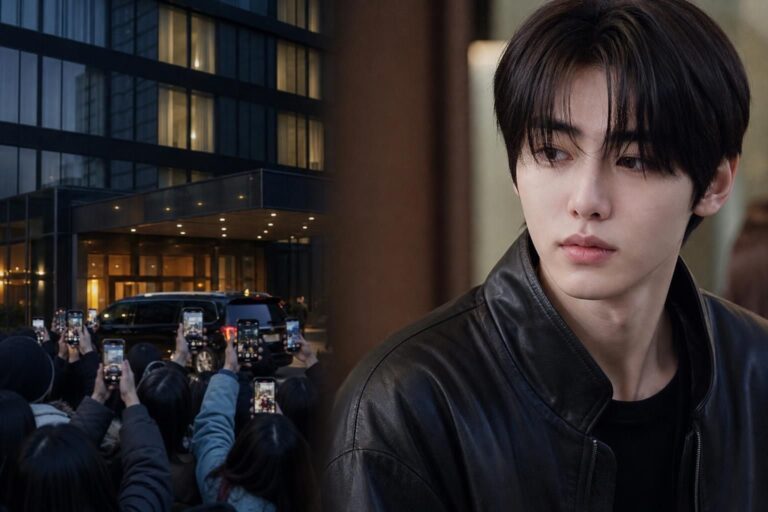
ENHYPEN member Sunghoon is again at the center of a heated public backlash after online footage and images appeared to show a sasaeng fan interacting in close proximity to him at a hotel while the group was in Milan for Milan Fashion Week, according to Koreaboo. Fans say the incident represents an escalation beyond typical hotel-waiting behavior—raising renewed calls for stronger on-site security and tighter privacy protections for K-pop artists.
Milan Fashion Week visit turns into a privacy flashpoint
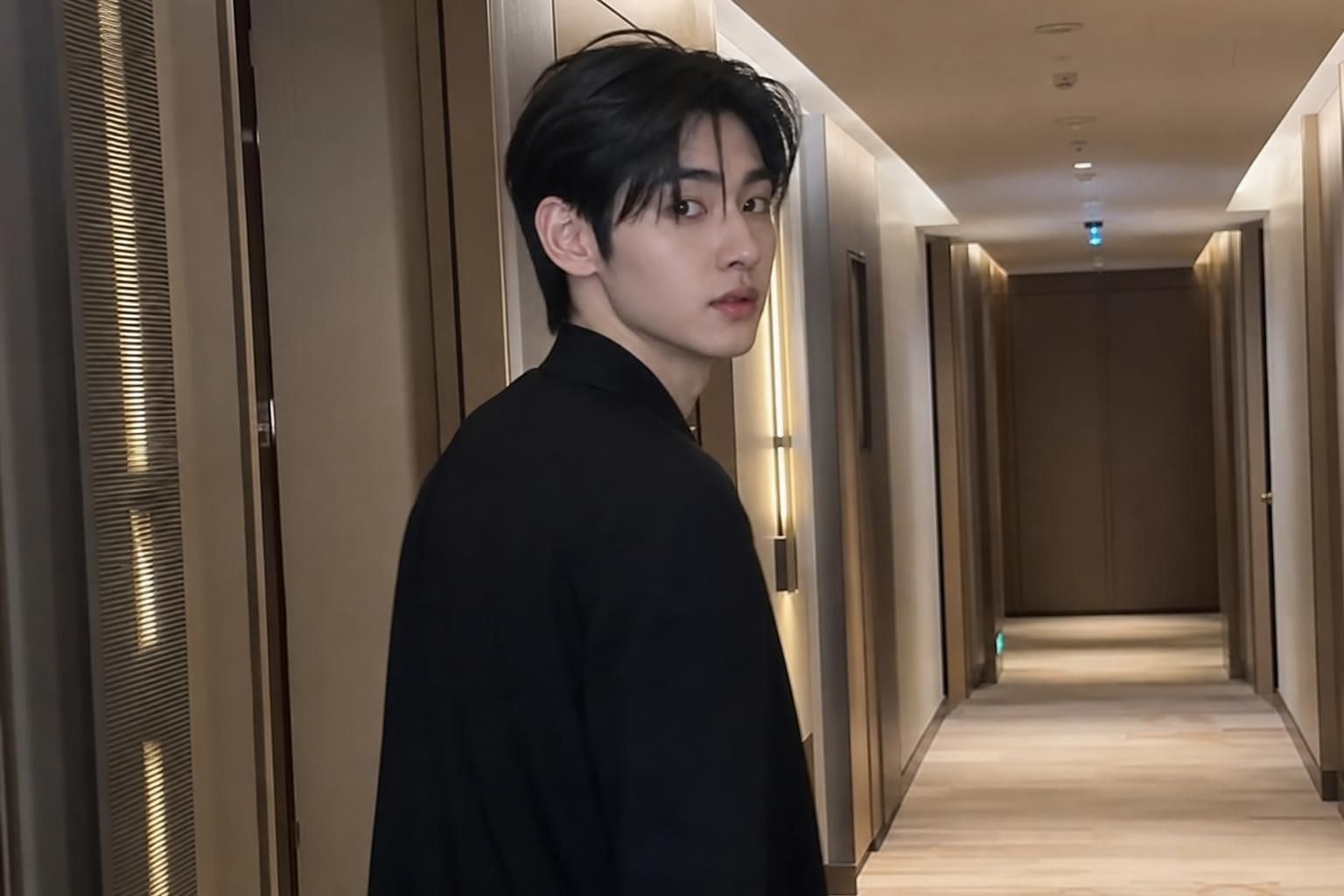
The incident was reported after ENHYPEN attended Prada’s event in Milan on June 21. In the aftermath, a widely shared video and accompanying images—described by Koreaboo as seemingly captured after the group arrived—show Sunghoon looking back toward a camera in what appears to be a hotel hallway. While the exact location and identities in the material are not independently verified in the article, viewers and commenters interpreted the behavior as evidence that someone was positioned close enough to record him from a corridor outside his immediate area.
Koreaboo notes that sasaeng fans often wait for idols at hotels to capture footage when artists arrive. However, supporters argued this case crossed a line by implying access or visibility near areas connected to artists’ rooms—an area that fans generally consider beyond the boundary of acceptable fandom behavior.
Online anger targets security gaps and information leaks
In response to the posts, fans expressed anger and fear, demanding that ENHYPEN’s management tighten safety measures. Social media reactions in Koreaboo’s coverage included calls for BE:LIFT LAB (ENHYPEN’s agency) to “strengthen security,” reflecting a broader frustration that similar incidents have occurred before.
Commenters also pointed to the logistics behind such encounters, questioning how someone would know where the artist would be staying and how they could position themselves to film in hallways. The debate quickly expanded into accusations about hotel and room information being leaked, with supporters arguing that better coordination with venues and stricter handling of travel and lodging details are necessary.
A familiar pattern, but with heightened concern
While hotel-side stalking has long been reported in the K-pop ecosystem, Koreaboo frames this incident as “more extreme” than standard waiting behavior. The article references the ways sasaeng conduct can include following celebrities across travel routes—such as to planes—lurking around homes, and sending harassment messages or phone calls.
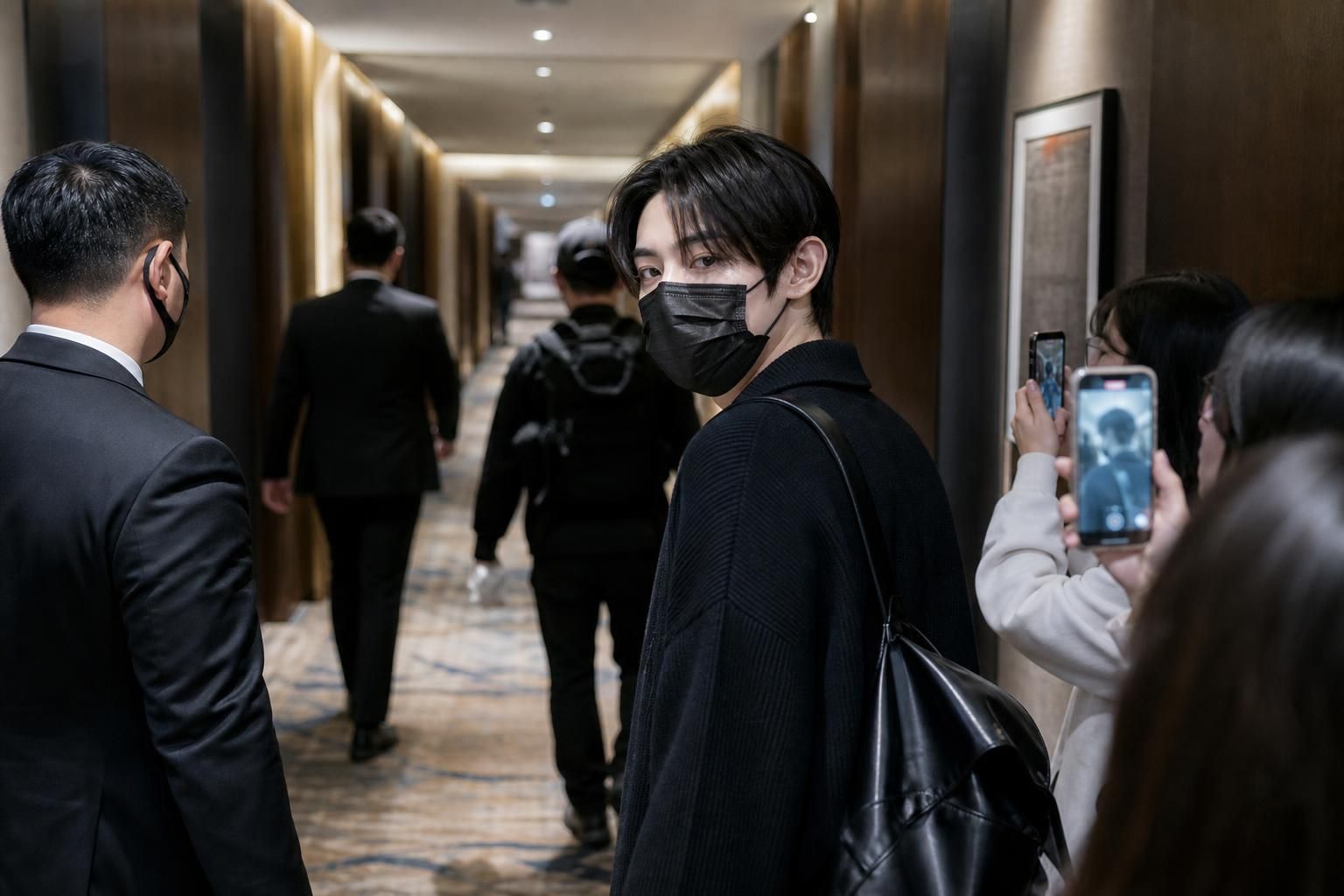
From a safety perspective, the key concern highlighted by fans is not just the act of recording, but the potential for escalation. A hallway interaction can increase the risk of confrontation, unwanted contact, and confusion inside what should be controlled spaces—especially when multiple staff members and security personnel are trying to manage movement for large groups during tight event schedules.
What agencies can do next
The renewed outcry points to practical steps agencies and venues can take. In past cases across the industry, improved measures often include tighter guest-area access control, increased security staffing in non-public corridors, use of more discreet arrival routes, and coordinated communications so hotel staff can rapidly identify unauthorized individuals. Another recurring proposal is limiting how consistently room-adjacent information is shared online, since even small leaks can enable fans to triangulate locations.
Fans’ anger also suggests that timing matters: when incidents are widely circulated immediately—through quick uploads and reposting—public pressure rises faster, increasing expectations for agencies to respond publicly, even if investigations remain internal.
What to watch: follow-up actions and verification
In the short term, the most important developments will be whether BE:LIFT LAB issues guidance on security steps, clarifies what precautions were in place during the hotel stay, or reports any actions taken against individuals involved. Equally significant will be whether platforms remove content deemed invasive or whether additional reporting establishes more context about the location, circumstances, and identity of the person captured in the footage.
For ENHYPEN and other K-pop acts on international schedules, the larger challenge is balancing visibility with safety. As more events shift toward fashion weeks, major public venues, and rapid travel between stops, the “hotel corridor” becomes a recurring vulnerability. If agencies cannot close that gap, similar incidents may continue to surface—each one fueling the same cycle of outrage, then requests for stronger protection.


Join the Conversation
Log in to share your thoughts and join the conversation with other fans.