
South Korea’s KBS World Cup Coverage Draws Backlash Over Presenter Comments, Igniting Debate About Sports Broadcasting Standards

![[World cup broadcast, sports commentary, TV studio] featured image - South Korea’s KBS World Cup Coverage Draws Backlash Over...](https://d1ycet1ctov4dv.cloudfront.net/wp-content/uploads/2026/06/27020129/World-cup-broadcast-sports-commentary-TV-studio-1782493288718-768x512.jpg)
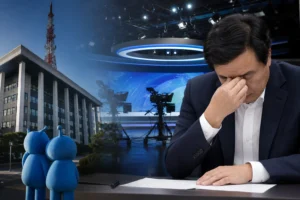
South Korean broadcasters and viewers are locked in a fresh controversy after criticism circulated over remarks made during KBS’ World Cup coverage, with particular attention on comments attributed to presenter Jeon Hyun-moo. According to reporting summarized in today’s digest, viewers questioned the presenter’s familiarity with players and the accuracy of on-air remarks, sparking heated discussion over whether sports shows are meeting audience expectations for expertise and professionalism.
Backlash over “not knowing the players”
The dispute centers on the presenter’s World Cup commentary, which critics said reflected insufficient knowledge of the match and the athletes involved. Headlines in the digest describe the criticism in blunt terms—suggesting that the presenter appeared to not know even the names of players while providing commentary. That framing quickly fueled debate online, with some viewers arguing that major tournaments require more than entertainment value; they require credible analysis and command of basic facts.
Supporters, however, counter that sports broadcasts often include a range of roles—some focused on reading live atmosphere, guiding segments, and keeping energy high—rather than delivering the same level of encyclopedic detail as coaches or former athletes. Still, the public tone of the criticism indicates that at least part of the audience expects presenters for national broadcasts to demonstrate competence, especially during high-profile international events.
Audience expectations rise as viewership remains strong
Even amid the backlash, the digest also points to KBS’ performance in the World Cup audience race. One of the cited items notes that a KBS segment secured a 10.7% viewership rating and ranked as the day’s top channel, implying that the controversy—while loud—has not visibly damaged mass appeal. In other words, the debate appears to be about quality and standards rather than simple popularity.
![[World cup broadcast, sports commentary, TV studio] Image showing the article's key context - Supporters, however, counter th...](https://d1ycet1ctov4dv.cloudfront.net/wp-content/uploads/2026/06/27020309/World-cup-broadcast-sports-commentary-TV-studio-body-1-1782493387848.jpg)
This mismatch—strong ratings alongside sharp criticism—often characterizes sports media controversies. When major viewers tune in because a broadcast is on the national stage, they feel entitled to demand higher accuracy. Any perceived lapse by a prominent host becomes more visible, more discussable, and more consequential in the news cycle.
Presenter vs. expertise: what “good commentary” should mean
At the heart of the debate is a broader question: what should audiences expect from a TV host during elite sports coverage? The digested reporting frames the reaction as “갑론을박” (a back-and-forth argument), indicating that critics and defenders are actively contesting the same premise.
Critics argue that the World Cup is the kind of event where basic competency matters—knowing who’s playing, what’s at stake, and how to contextualize match developments. Supporters emphasize that mainstream sports coverage is also a live entertainment product and that not every segment requires deep tactical explanation. Some suggest that broadcasters may be balancing entertainment pacing with technical content, which is typically supplied by analysts or former athletes.
Yet the controversy persists because the host’s role is highly visible. In many broadcasts, presenters set the tone, introduce segments, and translate the action for audiences who may not follow the tournament closely. When viewers feel that translation fails—particularly on something as fundamental as player names or match context—they tend to broaden the criticism into a wider “broadcasting standards” issue.
Why this story spreads fast
Sports broadcasting controversies can escalate quickly because clips and screenshots are easy to circulate, and viewers interpret them instantly. The digest’s headlines suggest that the controversy is not isolated to a single comment; rather, it became a symbol of a perceived mismatch between the public role of a major presenter and the level of detail expected during the tournament.
![[World cup broadcast, sports commentary, TV studio] Image explaining the article's impact and background - Yet the controvers...](https://d1ycet1ctov4dv.cloudfront.net/wp-content/uploads/2026/06/27020309/World-cup-broadcast-sports-commentary-TV-studio-body-2-1782493387907.jpg)
Additionally, World Cup coverage draws audiences across experience levels. Casual viewers may rely entirely on what the host says, while more informed viewers scrutinize accuracy. When the two groups overlap on the same broadcast, disagreements tend to intensify.
What comes next for KBS and South Korean sports media
For KBS, the near-term priority is likely to manage viewer expectations and clarify how the broadcast team divides responsibilities between the host, analysts, and segment structure. Depending on the severity of the criticism and whether additional clips surface, the network could face increased pressure to reinforce editorial review, training, or tighter scripting for key factual segments during live international tournaments.
For the wider sports media landscape in South Korea, the episode may serve as another benchmark in the ongoing debate about “expert hosts” versus “entertainment hosts.” As audiences demand both credibility and engagement, the industry may increasingly be judged not only on ratings, but on whether presenters meet minimum competency standards during the most visible moments.
Viewers will likely watch the next matches closely—both for the broadcast’s on-air content and for whether producers adjust the format to reduce factual errors or improve the balance between analysis and delivery.


Join the Conversation
Log in to share your thoughts and join the conversation with other fans.