
EPEX Agency Announces Legal Action Over Malicious Online Posts

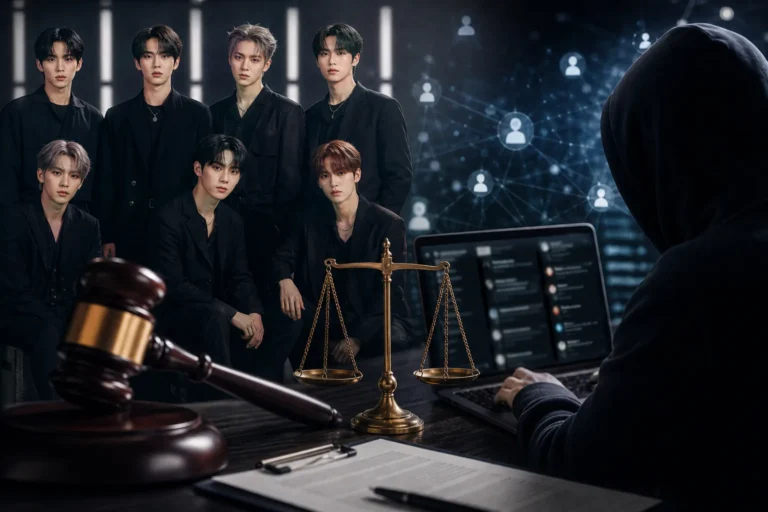
C9 Entertainment has announced that it will take legal action in response to malicious online posts targeting its artists, including members of the K-pop group EPEX. The agency said it has identified serious rights violations across online platforms and is preparing both civil and criminal responses after collecting evidence through internal monitoring and fan reports.
The company pointed to posts containing false information, defamation, insults, and other content it says damages the reputation and dignity of its artists. The statement, released on July 30, also named major social platforms including X and YouTube as places where problematic material has appeared.
C9 said it has already gathered relevant materials and will review them before pursuing legal procedures. The agency emphasized that it intends to respond firmly to repeated malicious posting, organized distribution of false claims, and other unlawful online activity. It also stated that it would not seek settlement or leniency in cases it chooses to pursue.
Agency Frames Action As Artist Protection
The announcement places the issue in the broader context of artist safety, a subject that has become increasingly central to K-pop management. Agencies have grown more direct in describing online harassment as a legal and workplace concern rather than simply a public-relations problem. In C9 Entertainment’s case, the company framed its planned response as part of an ongoing effort to protect artists’ safety and rights.

EPEX, an eight-member boy group under C9 Entertainment, has built an international audience since debuting in 2021. As the group’s fan base has expanded, its members have also become more visible across social media, fan communities, video platforms, and entertainment news cycles. That visibility can help artists reach global listeners, but it also exposes them to faster-moving rumor networks and more persistent personal attacks.
Entertainment companies in South Korea commonly rely on a combination of staff monitoring, outside legal counsel, and fan-submitted reports when preparing complaints about online abuse. Those reports may include archived posts, screenshots, links, account information, timestamps, and records showing how widely a claim was shared. Agencies usually avoid disclosing detailed evidence publicly because doing so could interfere with legal strategy or draw more attention to harmful content.
Why These Warnings Matter
Public legal warnings serve several purposes. They notify fans that the company is aware of the situation, signal to repeat offenders that posts may carry consequences, and create a record showing the agency’s stated position. They can also discourage the spread of claims that have not been verified, especially when users copy or translate rumors across platforms without checking their source.
The rise of short-form video and real-time social posting has made reputation management more difficult for entertainment agencies. A false claim can move across languages and platforms before an artist or company has time to respond. Even when a rumor is later corrected, the original post may continue to circulate through reposts, edits, and archived screenshots.

For idols, the impact can extend beyond online image. Malicious content can affect mental health, brand relationships, fan interactions, and the atmosphere around promotions. Agencies have increasingly described sustained harassment as a direct threat to artists’ ability to work in a stable environment, particularly when posts include personal attacks, fabricated stories, or attempts to coordinate negative campaigns.
C9 Entertainment’s statement did not specify individual posts, accounts, or a timetable for filing complaints. It also did not identify which artists were directly affected beyond saying the action is intended to protect its artists’ rights. That leaves the next stage dependent on the company’s evidence review and any legal filings that may follow.
The agency’s message is nevertheless clear: it is treating malicious online activity as a matter for formal legal response, not informal fan debate. For EPEX and other artists under the company, the announcement signals a stricter stance toward false information, defamation, and repeated online attacks as digital platforms remain a major battleground for artist reputation.



Join the Conversation
Log in to share your thoughts and join the conversation with other fans.