

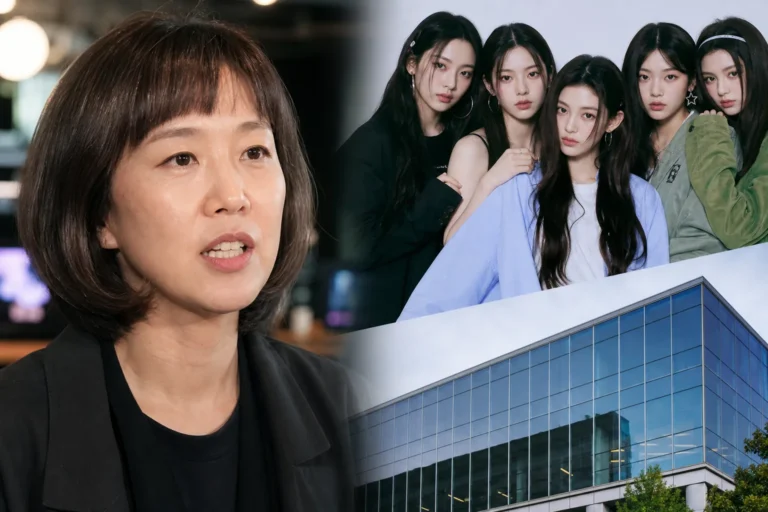
Art director Park Si Young has entered the public debate surrounding NewJeans and HYBE, using a sharply worded social media post to criticize the entertainment company’s handling of the ongoing conflict involving the group. His remarks add another layer to a dispute that has already drawn attention from fans, creative collaborators, and industry observers watching how one of K-pop’s most closely followed acts is being managed during a turbulent period.
Park, a well-known figure in Korean visual and commercial creative circles, posted his comments on Instagram on July 23 KST. The post followed earlier discussion over the visual direction of NewJeans’ upcoming comeback, which has been described publicly as a four-member return under ADOR. After his initial reaction to the teaser attracted attention, Park expanded his criticism beyond aesthetics and focused instead on HYBE’s conduct as a major entertainment corporation.
In his message, Park argued that adults and companies that build businesses around young performers have a heightened responsibility to act with care. He criticized what he viewed as the use of corporate power, money, and lawsuits in a way that affects young artists. While his language was forceful, the central issue he raised was broader than one teaser image or one comeback: whether large K-pop companies are meeting their obligations when artists who trained as minors become caught in public and legal disputes.
Creative Industry Voices Keep Entering The Debate
The NewJeans situation has moved beyond a standard comeback cycle. For many fans, every teaser, public appearance, and industry comment is now read through the lens of the conflict involving HYBE, ADOR, former ADOR CEO Min Hee Jin, and the members’ future activities. Park’s post matters because it shows that the discussion is not limited to fan communities. People who work in the creative side of entertainment are also publicly weighing in on the tone, optics, and ethics of the situation.
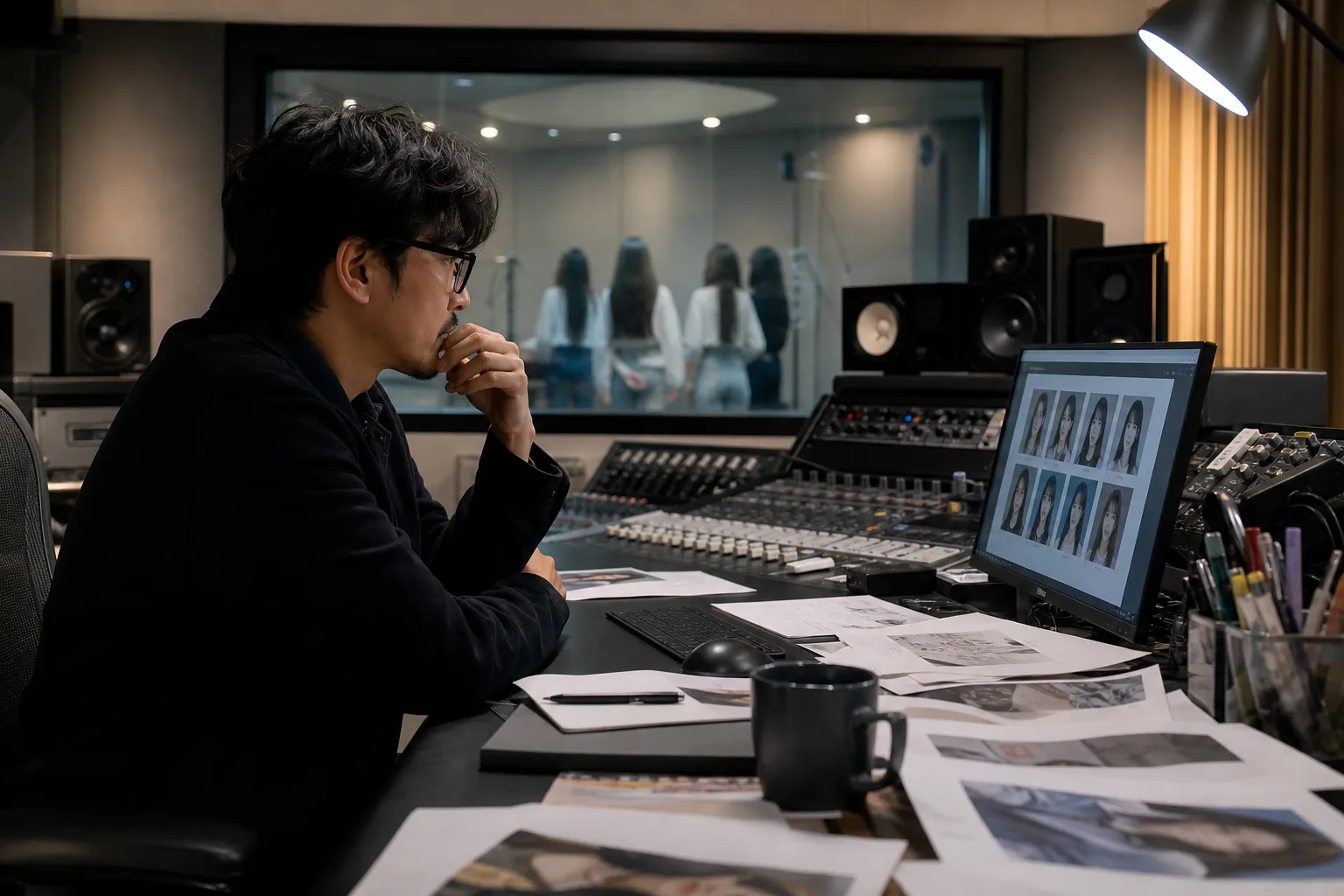
Park made clear that his criticism was not framed as personal support for either Bang Si Hyuk or Min Hee Jin. Instead, he said his concern was directed toward the young people at the center of the dispute. That distinction is significant because the broader conversation around NewJeans has often been polarized into opposing camps, with fans and commentators debating corporate leadership, contract rights, creative ownership, and loyalty. Park’s remarks attempted to shift the focus back to how the artists themselves may be affected.
NewJeans remain one of the most influential K-pop groups of the decade, with a brand built around distinctive visuals, restrained production, and a strong connection between music, fashion, and youth culture. Because of that identity, visual direction is not a minor matter for the group. The way a comeback is presented can shape public perception, fan confidence, and commercial momentum, especially when the group is already under close scrutiny. A creative professional criticizing that direction therefore carries more weight than an ordinary online reaction.
HYBE And ADOR Face Continued Scrutiny
The dispute has also highlighted the difficult balance between corporate control and artist image in K-pop. Agencies invest heavily in training, production, styling, and marketing, but the public increasingly expects those companies to demonstrate transparency and emotional responsibility, particularly when young performers are involved. Park’s criticism reflects a recurring question in the industry: how should a major agency use its legal and financial power when the people most visible to the public are the artists, not the executives?
For HYBE and ADOR, the challenge is not only legal or operational. It is reputational. NewJeans’ audience is unusually sensitive to authenticity and creative consistency, and prolonged conflict can weaken the sense of stability that supports a comeback. Even if official schedules continue, public commentary from respected creative figures can influence how fans interpret the group’s presentation and whether they see it as artist-led, agency-led, or shaped by unresolved internal tension.
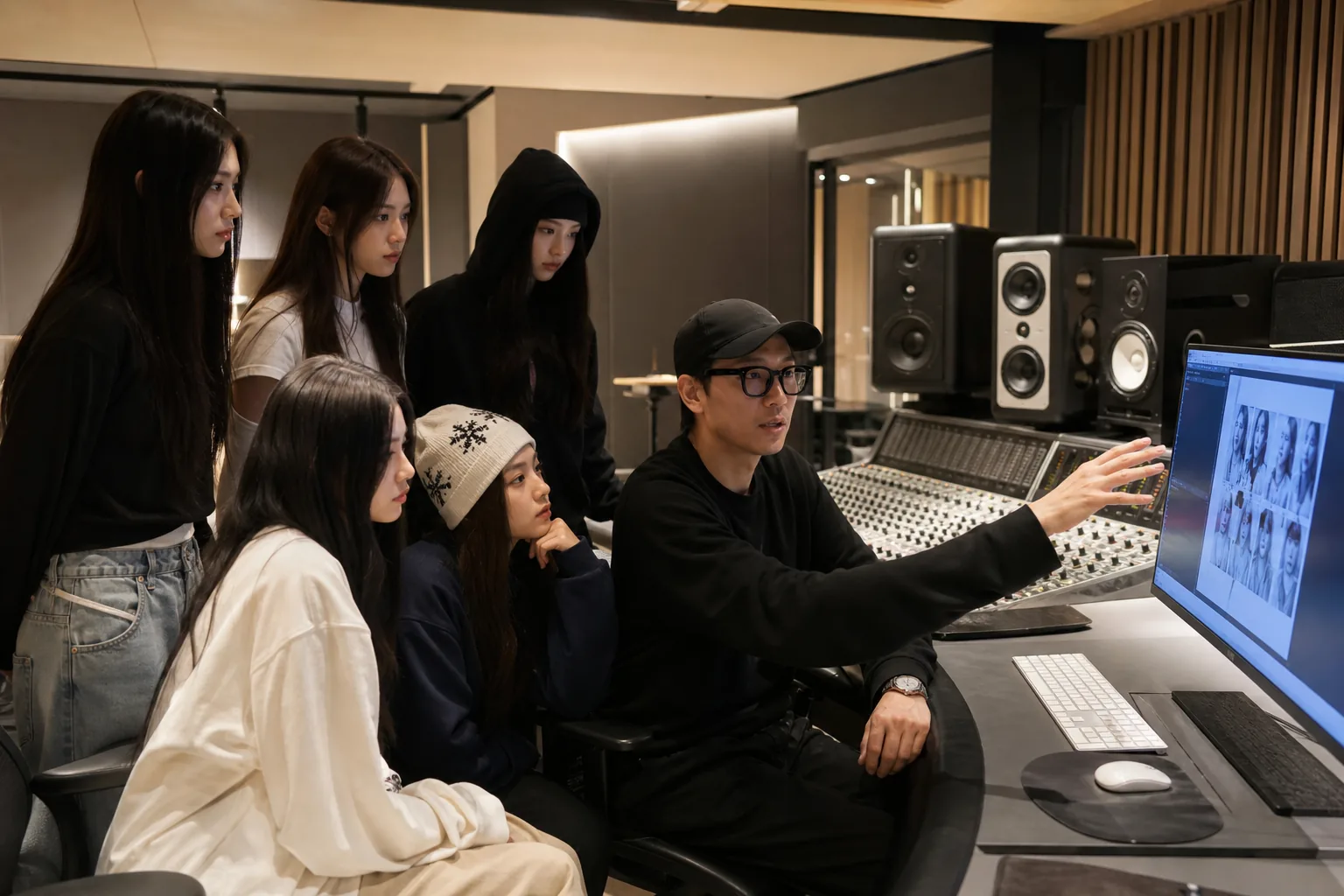
At the same time, public social media posts can intensify already heated debate. Park’s comments quickly circulated because they were direct, emotional, and attached to a group whose situation remains highly contested. Supporters may view his remarks as a defense of young artists, while critics may argue that outside commentary can further inflame a complicated dispute. Either way, the reaction shows how little separation remains between K-pop’s creative ecosystem and its corporate conflicts.
The immediate outcome of Park’s post is unlikely to be a formal change in the group’s schedule. Its greater significance is symbolic. As NewJeans’ next activities approach, the group is operating in an environment where teasers, collaborators’ reactions, and agency decisions are all being scrutinized in real time. Park Si Young’s criticism underscores that the NewJeans dispute is no longer simply an internal management issue. It has become a wider test of how K-pop companies handle young artists, creative identity, and public trust when business conflicts become impossible to keep behind closed doors.
Join the Conversation
Log in to share your thoughts and join the conversation with other fans.