

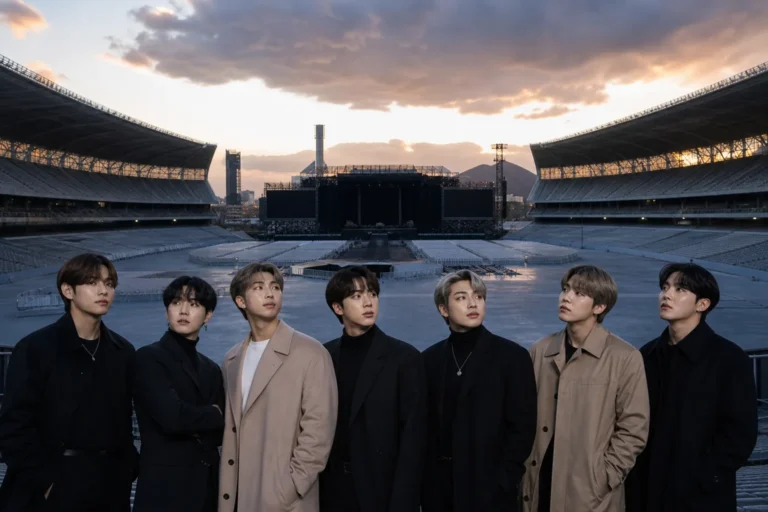
BTS’s planned ARIRANG tour dates in Chile have become the focus of a fast-moving venue dispute, raising uncertainty around three sold-out concerts scheduled for April at Santiago’s Estadio Nacional. The shows had already become a major point of anticipation for Latin American fans, but new questions over stadium authorization have shifted attention from the tour itself to the process behind approving one of the region’s most visible concert venues.
According to reporting cited by Koreaboo, Chile’s National Sports Institute had not yet authorized or finalized use of the stadium for the BTS concerts. The reported concerns include technical issues tied to a 360-degree stage setup and the possibility of damage to the pitch. Those details matter because Estadio Nacional is not only a concert venue; it is also a major sports facility where surface conditions and infrastructure planning can carry public and institutional weight.
The situation has caused frustration because the concerts were already sold out before the authorization questions became public. For ticket holders, the central issue is not simply whether a stadium can host a complex production. It is why sales moved forward before every required approval appeared to be fully settled. That timeline has made the dispute feel less like routine event planning and more like a breakdown in communication among organizers, venue authorities, and fans.
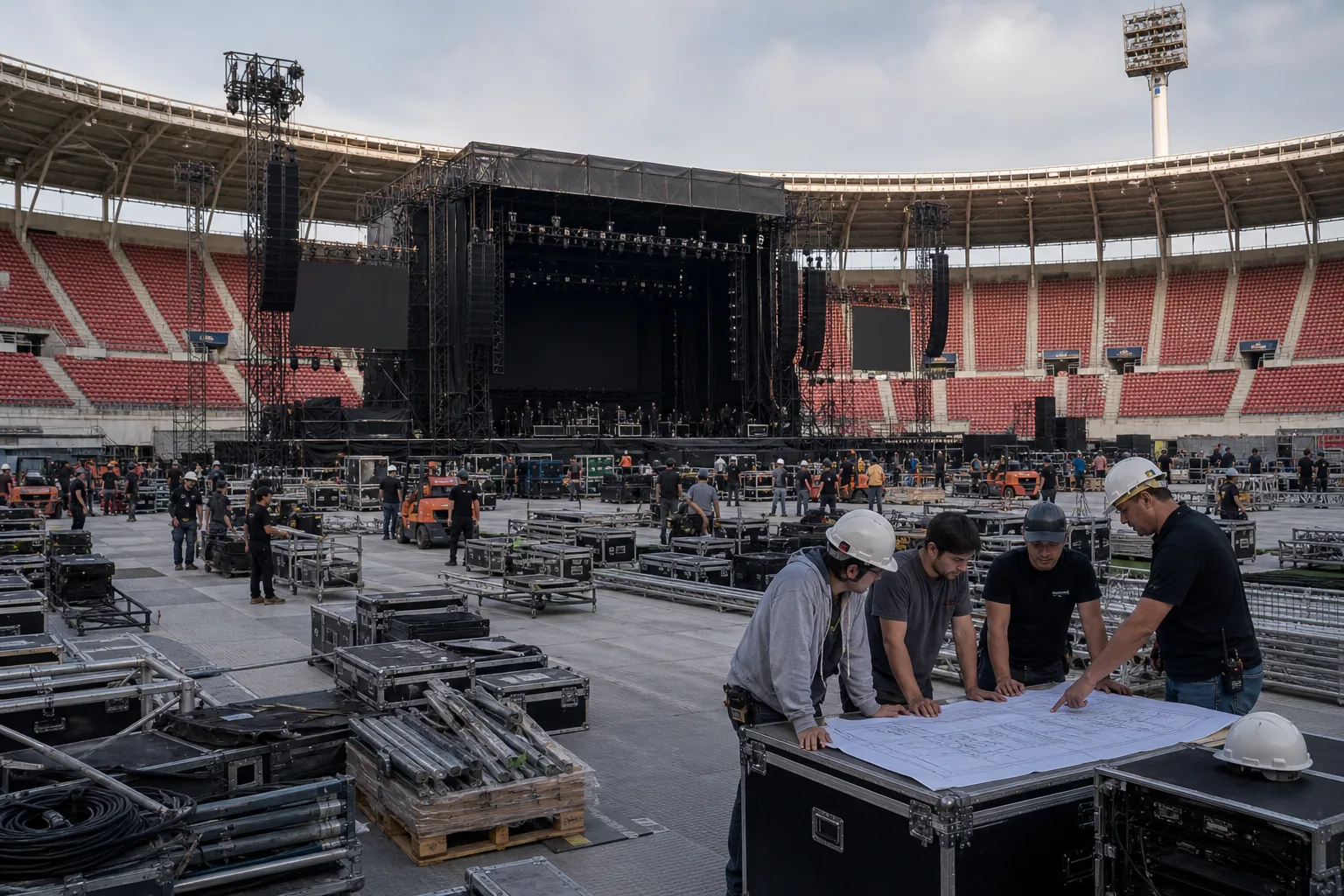
Large stadium tours often involve months of technical negotiation. A show on BTS’s scale requires seating plans, load-in schedules, stage engineering, crowd flow, security, emergency access, broadcast or screen infrastructure, and protections for the playing surface. A 360-degree stage can add another layer of difficulty because it changes sightlines, rigging, audience circulation, and ground coverage compared with a traditional end-stage concert.
Why Fans Are Reacting So Strongly
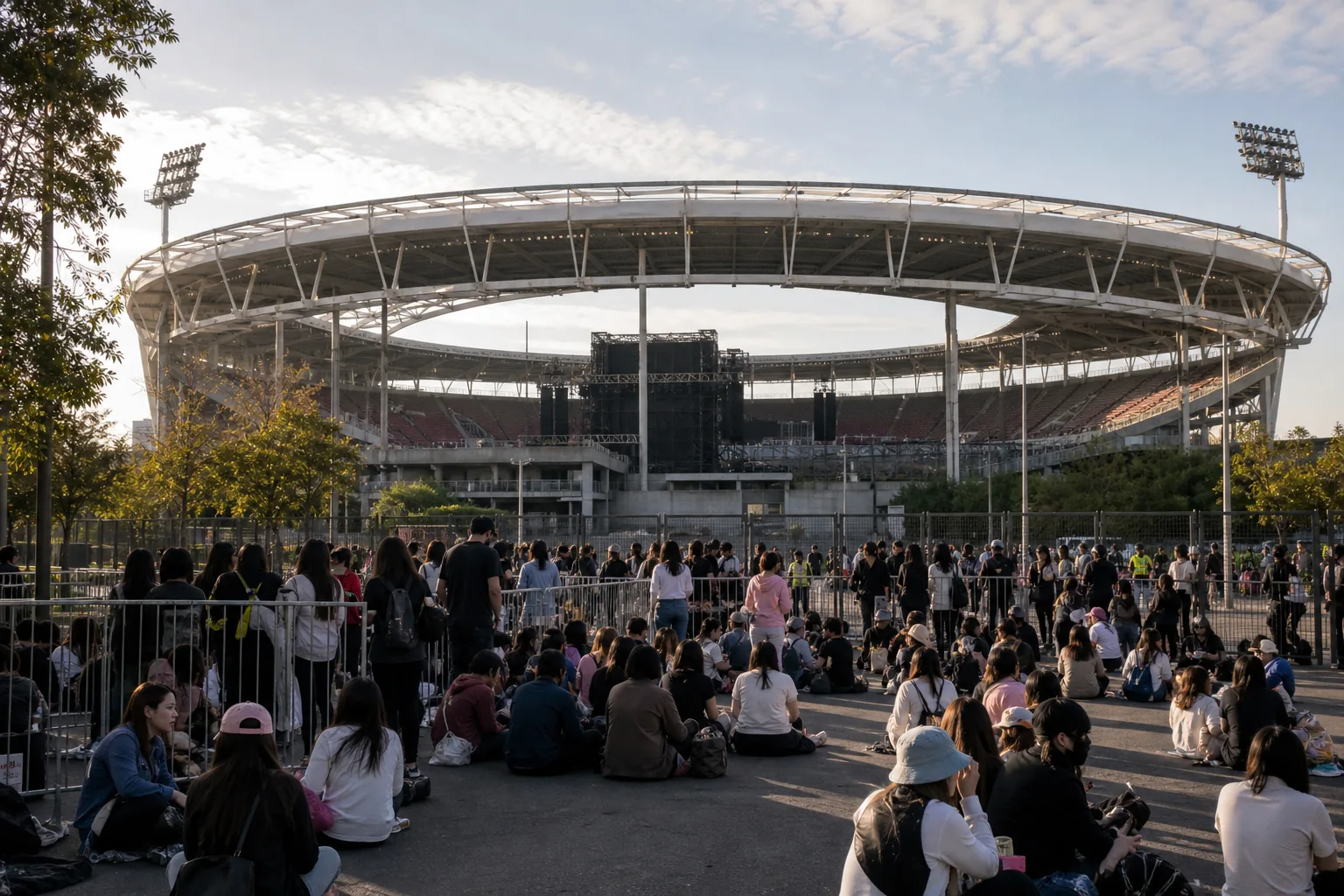
The backlash has been intense because Chile was expected to be a major Latin American stop on BTS’s ARIRANG tour. Fans have invested in tickets, travel planning, lodging, and time off around dates that were presented as confirmed public events. When a sold-out concert is later described as being in limbo, the emotional impact is immediate, especially for international fandoms accustomed to rapid sellouts and limited chances to see major K-pop acts close to home.
Some fans have directed anger toward local institutions, arguing that the country risks discouraging major touring artists if authorization issues surface after demand has already been captured. Others have questioned HYBE and the concert production side, saying ticket sales should not have opened unless venue permissions were beyond doubt. Both reactions point to the same underlying concern: fans want accountability from whichever party had responsibility for final clearance.
For now, there has been no final public resolution in the source report. That leaves the concerts in an uncertain position rather than officially canceled. In practical terms, the next steps will likely depend on whether organizers can satisfy the National Sports Institute’s technical requirements, adjust production plans, provide guarantees around pitch protection, or move the shows to another approved venue if necessary.
A Test for Global K-Pop Touring
The controversy also highlights the pressure surrounding modern K-pop touring. BTS is not a standard touring act; the group’s concerts can create citywide demand across hotels, transport, merchandise, fan events, and local media. That scale can be a benefit for host cities, but it also means every logistical gap becomes highly visible. When the act is BTS, a venue dispute is no longer a local scheduling issue. It becomes international entertainment news within hours.
Chile remains an important market for K-pop, and Latin American fans have repeatedly shown that they can support arena and stadium-level events. The current dispute does not erase that demand, but it may become a cautionary example for future tours. Promoters and agencies will face sharper scrutiny over whether venues are fully locked before tickets go on sale, while public venue operators may be pushed to communicate approval conditions earlier and more clearly.
Until an official update confirms the concerts’ status, fans are left watching for statements from the parties involved. The most immediate priority is clarity: whether the Estadio Nacional plan will proceed, whether production changes are being negotiated, or whether ticket holders should prepare for postponement, relocation, or refund information. For a sold-out BTS stop, uncertainty itself has become the story.



Join the Conversation
Log in to share your thoughts and join the conversation with other fans.