
Hong Kong Film Veterans Warn Seoul That Asian Cinema Needs New Talent Pipelines

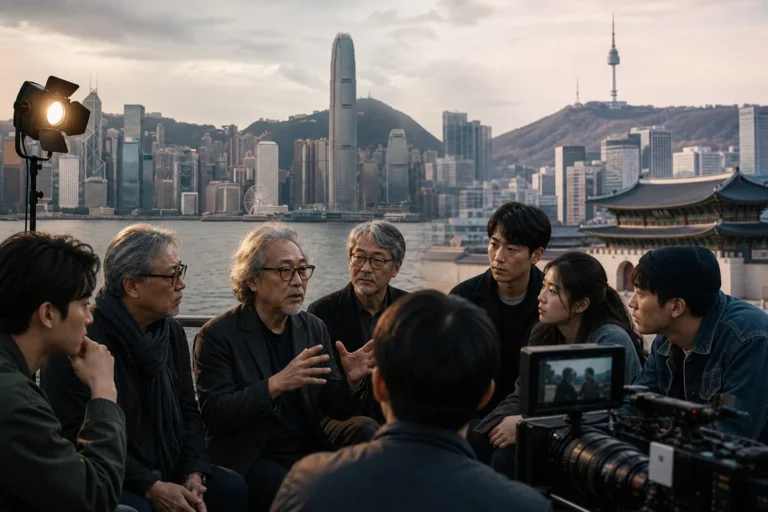
Hong Kong film veterans visiting Seoul have turned a retrospective screening program into a broader warning for Asian cinema: celebrated past success does not protect an industry if new filmmakers cannot find stable paths into production.
Screenwriter and producer Chan Hing Kai, known for his work on the Hong Kong classic A Better Tomorrow, and director Stanley Kwan of Rouge met Korean media during the Hong Kong Film Gala Presentation 2026. Their comments came as Korean cinema continues to debate falling investment, higher production risk, and the shrinking space for theatrical releases outside a small number of tentpole films.
The Seoul event, held from June 26 through July 5 at Emu Artspace, brings ten Hong Kong films to Korean audiences. The lineup includes new titles receiving domestic premieres and restored 4K screenings of landmark works such as A Better Tomorrow, Once a Thief, and Rouge. It also includes audience talks and roundtable programs with directors, actors, and producers, making the program as much an industry conversation as a nostalgia-driven film series.
A Warning From Hong Kong’s Contraction
Chan described a stark production drop in Hong Kong, saying the industry once produced around 200 films a year during its 1980s heyday but now makes far fewer. He pointed to a cycle familiar across many film markets: reduced investment, fewer large-scale productions, and a business model increasingly centered on low-budget projects rather than star-led blockbusters.
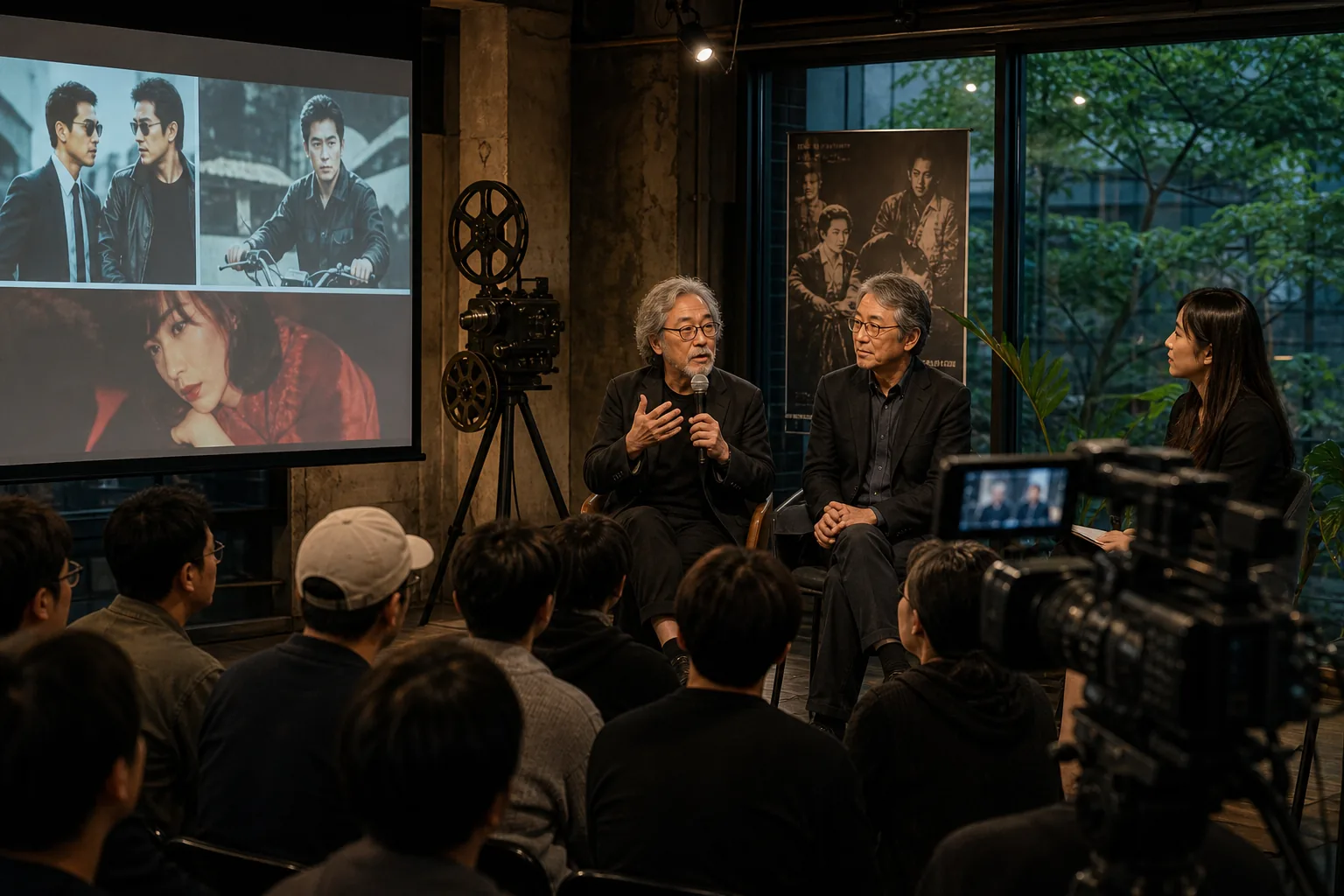
Kwan offered a similar diagnosis from the director’s side. He said younger creators are finding it harder to secure opportunities under broad industry pressure. The point was not that smaller films are automatically weaker; rather, the danger is an ecosystem where young directors are asked to prove themselves without enough room to fail, learn, and return with stronger work.
That concern lands sharply in Korea. Korean films have earned global recognition through Cannes, the Academy Awards, streaming hits, and a highly developed local production system. But the domestic film sector has also faced uneven box office recovery, cautious financing, and competition from streaming platforms that can both support and absorb creative labor. The result is a market that looks influential internationally while still feeling fragile at the level of new feature development.
Why Mentorship Became The Main Message
Both Hong Kong filmmakers emphasized talent development over quick fixes. Kwan cited Hong Kong’s government-backed Passing on the Torch program, a mentoring effort that links veteran directors with emerging filmmakers. Chan argued that directing is a craft shaped over time and that one success or failure should not be treated as a final judgment on a filmmaker’s future.
For Korea, the lesson is less about copying a single program and more about protecting the middle layer of the industry. A healthy cinema culture needs more than global auteurs and one-off breakout hits. It needs assistant directors, screenwriters, producers, cinematographers, editors, and first- or second-time directors who can move from short films and independent features into sustainable professional work.
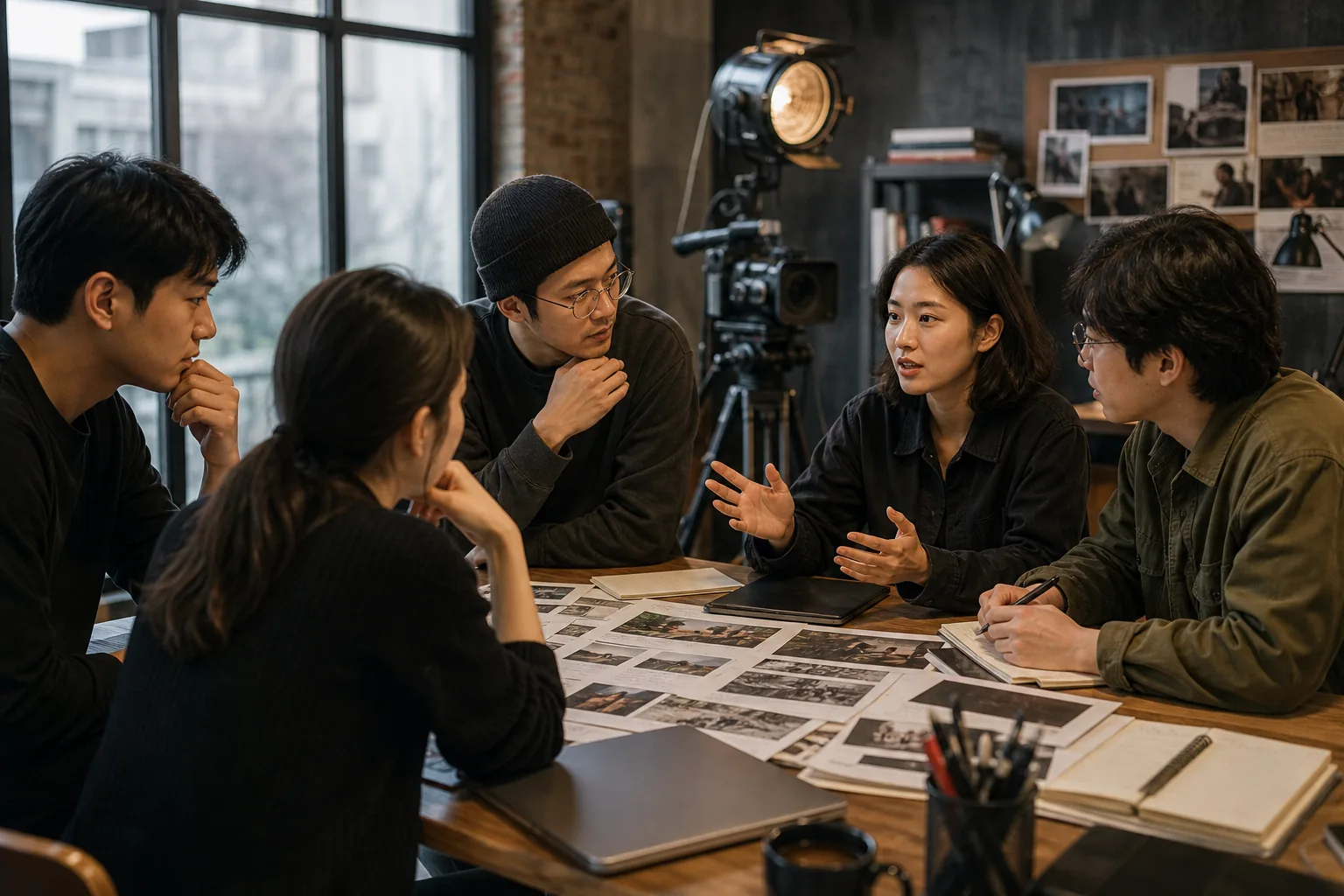
The Hong Kong Film Gala’s Seoul stop also underlines why regional exchange matters. According to the Asian Film Awards Academy, the program is part of its year-round work to promote Asian films, widen markets, and connect film professionals. In Seoul, that mission becomes practical: Korean audiences are revisiting Hong Kong classics, while Korean industry watchers are hearing directly from a market that has already lived through a dramatic contraction.
There is also a creative argument behind the business one. Chan and Kwan said older Hong Kong films still connect with younger viewers because their core emotions remain clear: loyalty, regret, longing, hesitation, and the pain of missed chances. Those are not dated formulas. They are reminders that durable films often start with characters and feelings before they become industry assets.
What Korean Cinema Can Take From The Visit
The most useful takeaway may be uncomfortable. Korean cinema’s recent global achievements are real, but the Hong Kong example suggests that prestige can fade if the next generation cannot consistently make films. Awards, restorations, and festival retrospectives keep history visible; production pipelines decide whether there will be enough future work worth restoring.
That makes the Seoul discussion timely. As Korean studios, investors, platforms, and public agencies weigh where to place risk, mentorship and smaller-scale development may be just as important as the next high-profile project. A film industry survives not only by celebrating masterpieces, but by making sure new filmmakers get enough chances to create imperfect first drafts of tomorrow’s classics.



Join the Conversation
Log in to share your thoughts and join the conversation with other fans.