
Woman Indicted Over Repeated Sexual Harassment Graffiti Targeting BoA

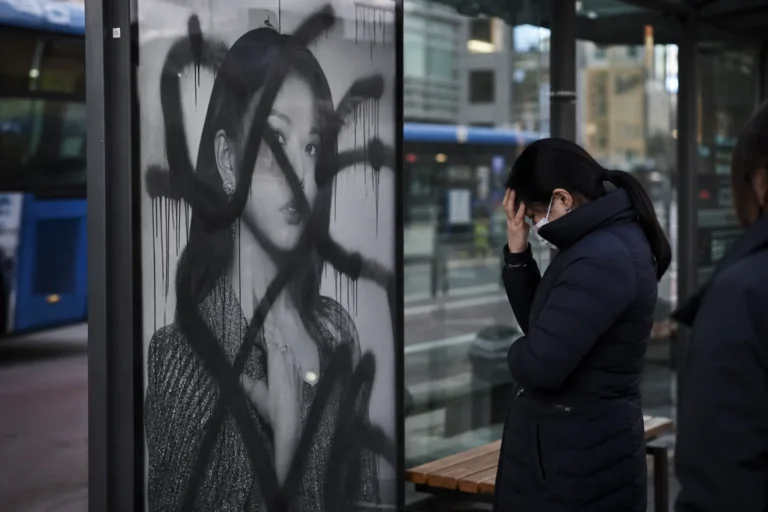
A 38-year-old woman has been indicted in Seoul after prosecutors concluded that repeated sexually defamatory graffiti targeting singer BoA amounted to both insult and property damage. The case places renewed attention on the line between online hostility, offline harassment, and the legal tools available when public abuse of entertainers moves into shared civic spaces.
The Seoul Central District Prosecutors’ Office filed the charges without detention on July 20. The woman, identified by the surname Jo, is accused of writing offensive messages about BoA with a permanent marker on public transit signboards and electronic displays. The alleged incidents took place eight times in Seoul’s Gangnam and Gangdong districts, areas with heavy foot traffic and broad public visibility.
Prosecutors determined that the messages were not only personally insulting to BoA but also damaging to public facilities. Because the writings appeared in crowded places, the alleged conduct was treated as more than a private dispute or a one-time act of vandalism. The repeated nature of the incidents became a central factor in the decision to move forward with an indictment.
Why The Case Drew Attention
BoA has been one of the most recognizable figures in Korean pop music for more than two decades. Since debuting as a teenager, she has remained closely associated with K-pop’s expansion beyond Korea, especially in Japan and across Asia. That public profile has also made her a frequent target of intrusive commentary and malicious attention, a problem faced by many high-profile entertainers.
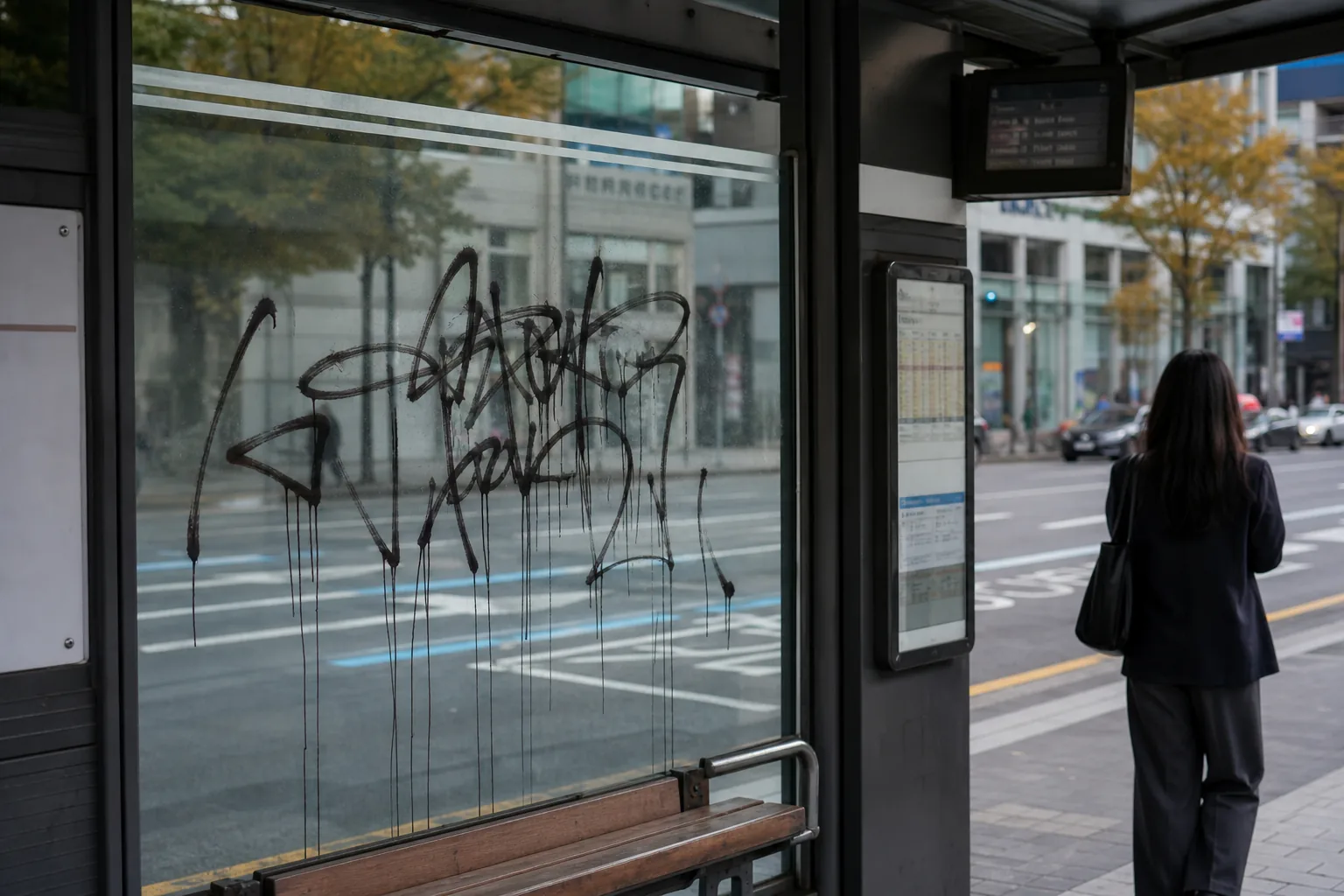
The latest case stands out because the alleged harassment was carried out in physical public spaces rather than remaining on social media or anonymous message boards. Public signage and electronic displays are designed for transit information and civic use. When defamatory messages are placed there, they can expose ordinary passersby to the attack while also forcing local authorities or facility managers to remove the damage.
Fans reportedly noticed the graffiti at multiple locations and shared information about it through online communities. Some reported the matter to police, local governments, and BoA’s agency at the time, SM Entertainment. Others went to the sites themselves to erase the writings. Their response reflected a growing pattern in fandom culture: supporters increasingly document harassment, preserve evidence, and push agencies or authorities to respond formally.
From Complaint To Indictment
The criminal process began after BoA’s side filed a complaint with Seoul Gangnam Police Station in June of last year. Police investigated the complaint and forwarded the case to prosecutors the following month. Prosecutors later cited several aggravating factors, including the repeated acts, the public exposure of the locations, the malicious nature of the content, and the request from BoA’s side for strict punishment.
The suspect is also reported to have a prior record of similar conduct involving other celebrities. She has previously been fined multiple times for property damage related to defamatory graffiti. That history may have strengthened the prosecution’s view that the latest allegations were part of a repeated pattern rather than an isolated lapse in judgment.

In South Korea, defamation, insult, and harassment cases involving celebrities often spark debate about privacy, free expression, and the responsibility of entertainment companies to protect artists. Much of that discussion focuses on digital abuse, including comments, posts, and anonymous rumors. This case shows that offline acts can raise the same concerns while adding practical issues such as damage to public property and wider accidental exposure.
A Broader Industry Concern
Entertainment agencies have increasingly taken public legal action against malicious commenters, rumor spreaders, and individuals who target artists with threats or degrading content. These actions are often framed as necessary to protect artists’ mental health and professional reputation. For veteran artists like BoA, who have spent much of their lives in the public eye, repeated harassment can become a long-running occupational hazard rather than a passing controversy.
The indictment does not mean the suspect has been convicted. The case will now proceed through the legal system, where the allegations, evidence, and applicable penalties can be tested. Still, prosecutors’ decision to file charges sends a clear signal that repeated public harassment of entertainers can carry consequences beyond removal of the offensive material.
For the K-pop industry, the case is another reminder that artist protection is no longer limited to managing online comment sections or issuing agency warnings. When abuse enters subway stations, bus stops, streets, and other shared spaces, it becomes a public-order issue as well as a personal attack. The legal outcome may shape how fans, agencies, and authorities respond to similar incidents in the future.



Join the Conversation
Log in to share your thoughts and join the conversation with other fans.