


IU has reportedly turned to a U.S. court for help identifying an online user accused of spreading false claims about her. According to a report cited by Korean entertainment outlet Koreaboo, the singer and actress filed a petition on July 15 in the U.S. District Court for the Northern District of California seeking evidence from Meta for use in a civil defamation lawsuit already pending in Korea.
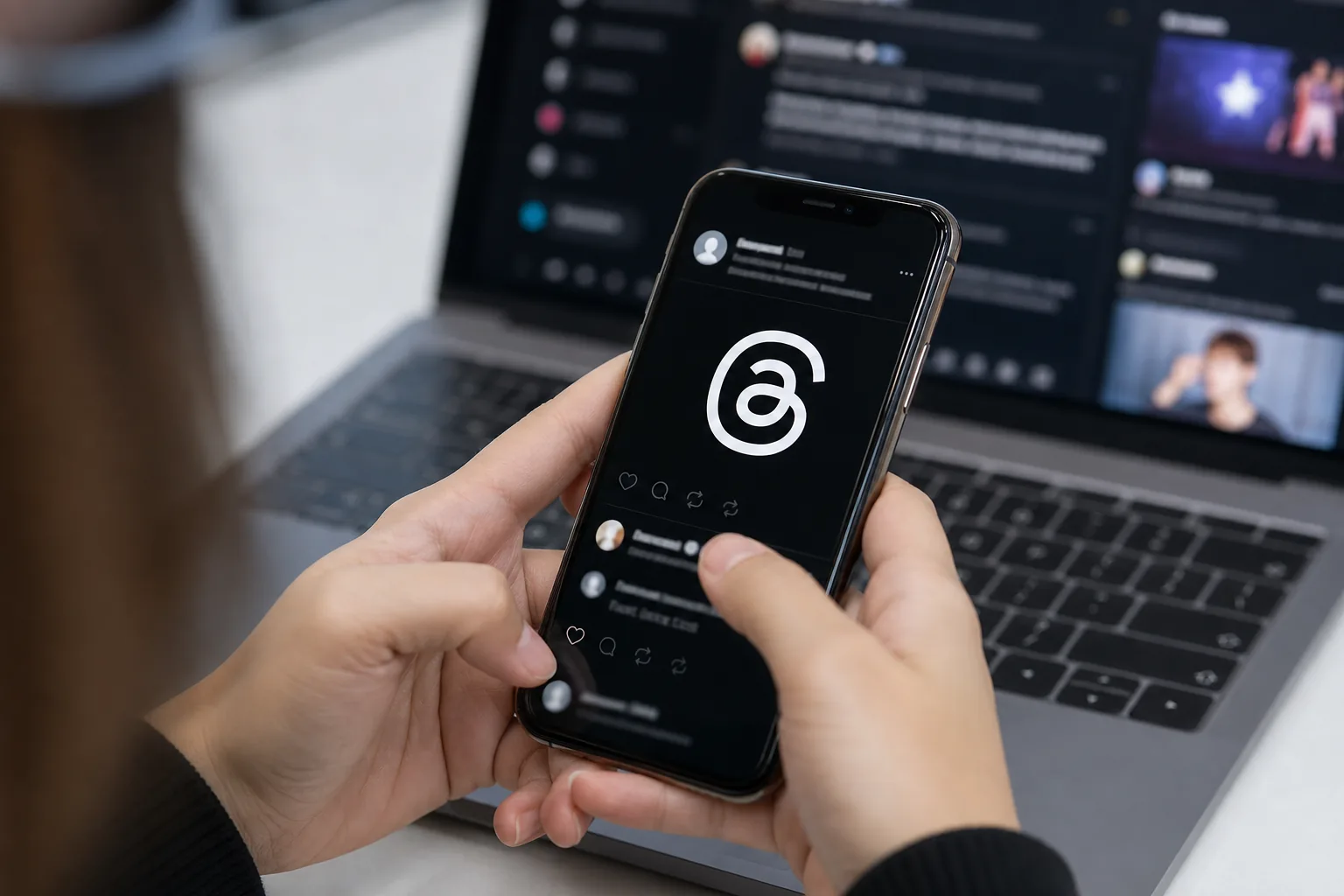
The request centers on a Threads account identified in the report only in partially masked form as @7h***. IU’s side reportedly claims the account published 52 false posts between March and October of last year, damaging the artist’s image and reputation. The filing asks the U.S. court to order Meta to provide information that could help identify the account holder.
The case highlights a recurring challenge in entertainment-related defamation disputes: alleged abuse may appear on global platforms, while the resulting legal action often proceeds in the country where the celebrity lives, works, and claims reputational harm. When a user cannot be identified through domestic proceedings alone, lawyers may seek assistance from courts in the jurisdiction where a platform or relevant records are located.
Why The Petition Matters
IU’s team reportedly said the Korean case has been difficult to advance because the defendant’s identity remains unknown. Without an identifiable person or entity behind the account, a civil defamation action can stall before it reaches the factual questions at the center of the dispute. The U.S. petition is therefore not the final judgment on the alleged posts; it is a procedural move aimed at obtaining information for the Korean lawsuit.
The reported filing also gives a clearer picture of the kinds of claims IU’s side is contesting. The materials submitted with the application grouped the alleged posts into six categories: plagiarism accusations, false claims related to China, false claims about overseas achievements, allegations involving marketing around the deceased, claims of media control or public opinion manipulation, and attempts to connect song lyrics to national tragedies.
Those categories point to a broader reputational dispute rather than a single isolated insult. For a public figure with music, acting, advertising, and international fan activity attached to her name, repeated allegations across sensitive subjects can affect both public perception and commercial trust. That is why entertainment agencies and artists increasingly treat anonymous online campaigns as legal matters, particularly when posts allege misconduct or manipulate emotionally charged public events.
A Wider Pattern Of Legal Action
IU has previously been associated with firm responses to malicious comments, and this reported petition suggests that approach is continuing across borders when necessary. Korean entertainment companies have become more systematic in collecting evidence from online communities and social platforms, often warning that settlements or leniency will not be offered in severe cases. Artists with large global audiences face an added complication: damaging posts may circulate through services operated outside Korea.
The Meta connection is significant because Threads is part of a platform network based in the United States. If the court grants the request, the information produced could potentially help IU’s legal representatives connect the account activity to a person who can be named in the Korean civil case. If the court declines or narrows the request, the Korean proceedings may still face hurdles tied to identification and evidence gathering.

For fans, the immediate takeaway is that the matter remains at an evidence-seeking stage. The public report does not establish that the account holder has been identified, nor does it mean a Korean court has ruled on the defamation claims. It does show, however, that IU’s side is pursuing a formal legal route rather than relying only on public denials or agency statements.
The development also underscores how celebrity defamation disputes have become increasingly international. A post written by one anonymous user can be stored by a U.S.-based technology company, discussed by Korean media, translated for overseas audiences, and cited in litigation in Seoul. IU’s reported petition reflects that reality: protecting a public reputation now often requires legal coordination across both platforms and borders.



Join the Conversation
Log in to share your thoughts and join the conversation with other fans.