

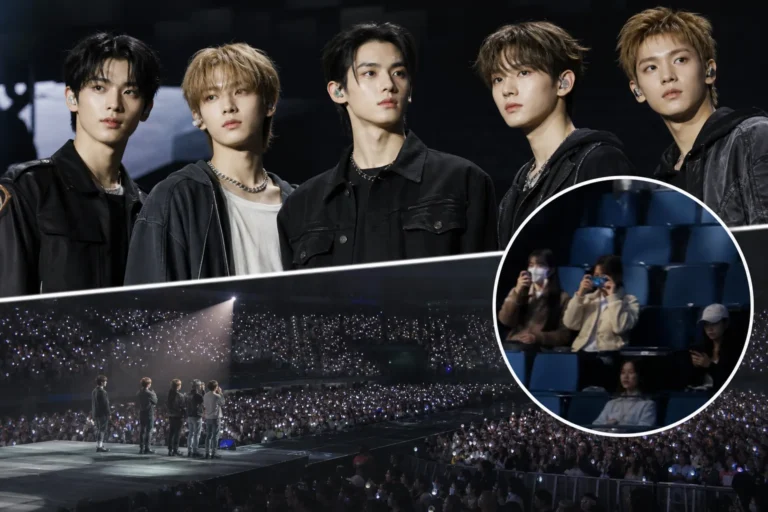
CORTIS is facing a new round of scrutiny after its first concert, as online discussion shifted from complaints about the show’s structure to allegations that a viral crowd moment may have been planned rather than spontaneous.
According to accounts cited by Koreaboo, clips from the group’s July 18 concert spread among international fans because they appeared to show an unusually energetic group of male attendees jumping and dancing in the standing section. The videos were interpreted by some viewers as evidence that the rookie boy group had drawn casual male listeners and built a concert atmosphere closer to a hip-hop or rock show than a conventional K-pop fan event.
The narrative changed after Korean attendees began questioning who was actually creating the most visible energy in that section. Some alleged that the men seen driving the viral moment were not ordinary fans, but dancers placed in the crowd as part of the production. One cited account claimed that about 30 dancers were positioned in the standing area, while another said the group left after a specific performance.
Neither CORTIS nor BIGHIT MUSIC had confirmed the allegation in the source report. For now, the claim remains based on concertgoer accounts and online community discussion. That distinction matters because the available information does not establish whether the moment was officially staged, whether dancers were present for a planned performance element, or whether fans misread a production choice after the fact.
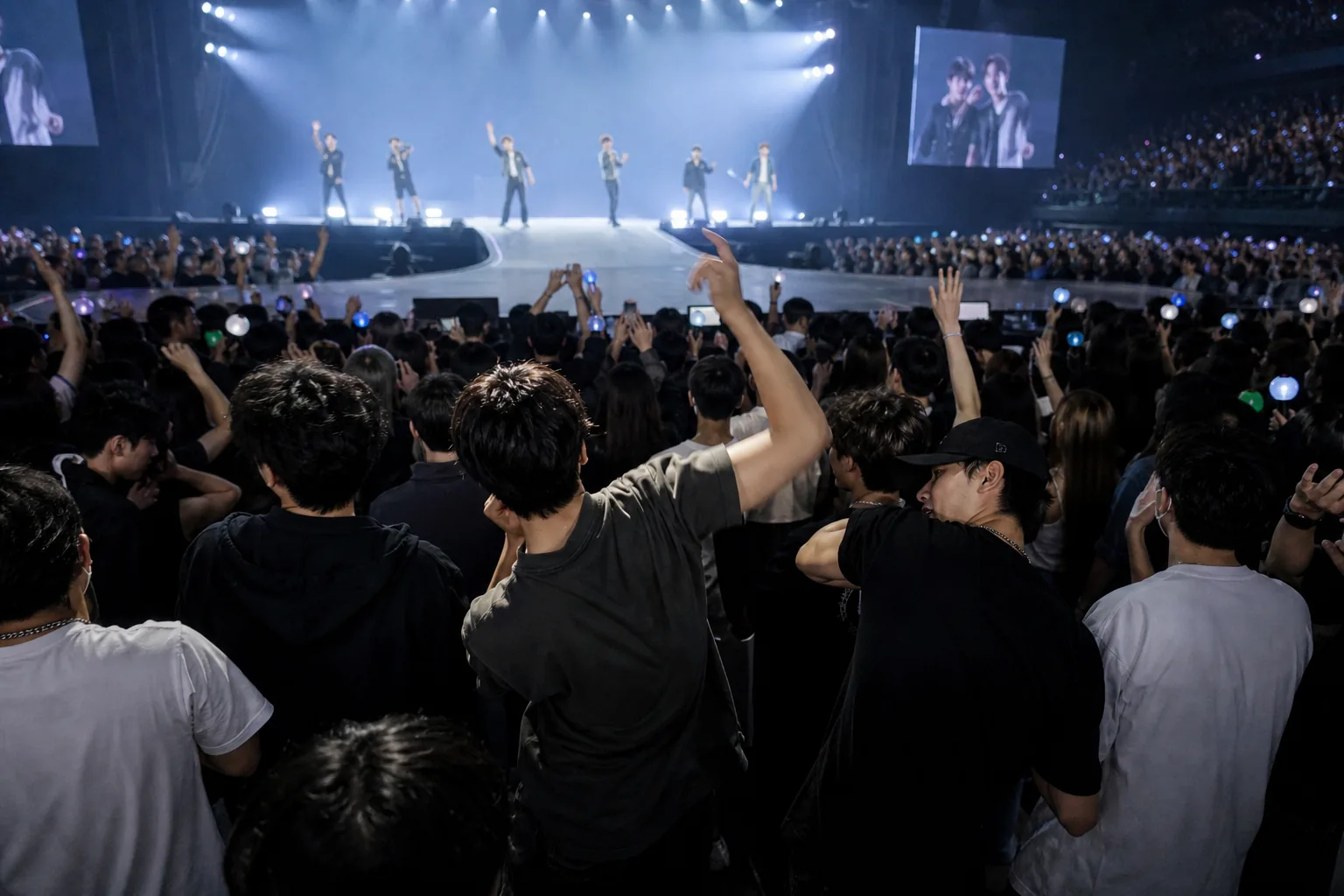
Why The Crowd Clip Became Controversial
The dispute centers on authenticity, a particularly sensitive issue in K-pop promotion. Viral concert clips often function as proof of momentum: they can suggest that an act has broken beyond its core fandom, that the music works in a live setting, and that the audience response is strong enough to travel across platforms without heavy explanation.
That is why the alleged use of crowd dancers drew such sharp reactions. Critics argued that presenting a choreographed or assisted audience moment as organic excitement would blur the line between live performance direction and marketing. Others were less concerned by the presence of dancers itself, but questioned why the clips were framed by fans online as a mosh pit, a term usually associated with more physical crowd movement than the jumping and dancing shown in the circulating videos.
The debate also exposed a difference in how audiences read concert production. Some viewers saw the scene as harmless staging, comparable to music-video-style direction brought into a live venue. Others viewed it as an attempt to manufacture the appearance of a broader, more uninhibited fanbase. In that reading, the issue was not only what happened in the standing section, but what the moment was supposed to communicate after it reached Shorts, Reels, and other social platforms.
Setlist Complaints Added Fuel
The allegation landed while CORTIS’s first concert was already under criticism for its length and content. The group reportedly performed for about one hour and 40 minutes, a runtime some fans considered thin for a paid solo concert. Because CORTIS has a limited official discography, fans had expected the production to compensate with cover stages, unreleased material, remixes, special arrangements, or more varied staging.
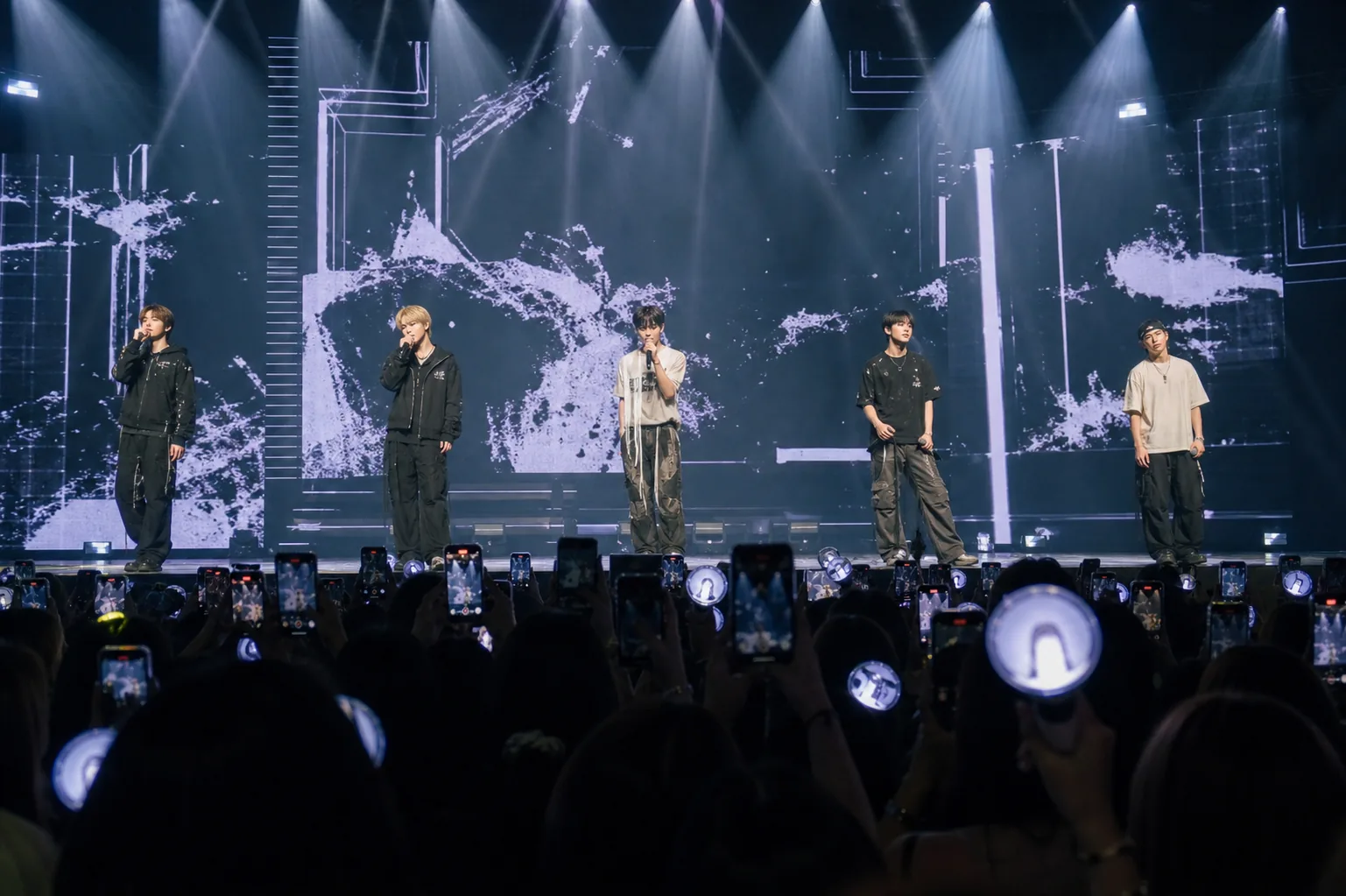
Instead, complaints focused on repetition. The source report cited fan criticism that several songs, including “REDRED,” “YOUNGCREATORCREW,” and “Mention Me,” were performed multiple times across the main show and encore. Some fans also criticized the lack of outfit changes and said the show did not make enough use of the venue beyond the floor section.
For rookie groups, a first concert can be an important test of both fandom strength and production judgment. A smaller catalog does not automatically prevent a satisfying show, but it raises the pressure on arrangement, pacing, interaction, and special stages. When audiences feel that the core setlist has been stretched, every other production choice becomes easier to question.
A Bigger Question About Manufactured Virality
The CORTIS controversy fits into a broader conversation about how entertainment companies create online moments from live events. K-pop concerts have always involved careful direction, from camera-friendly choreography to coordinated fan projects. The current tension comes from the speed at which short-form clips can turn a single angle from a concert into a larger public claim about an artist’s popularity, image, or cultural reach.
If a crowd moment is clearly presented as part of the show, audiences may accept it as staging. If it appears to be circulated as spontaneous fan behavior, the reaction can be very different. That gap is what made the CORTIS discussion escalate: the same footage could be read either as energetic concert direction or as a misleading attempt to sell a rougher, more organic live identity.
Without confirmation from the group or its agency, the facts remain limited. Still, the backlash shows how quickly a debut concert narrative can shift when fan expectations are already under strain. For CORTIS, the immediate challenge is not only responding to one allegation, but proving through future performances that its live appeal does not depend on ambiguity around what is fan enthusiasm and what is production design.


Join the Conversation
Log in to share your thoughts and join the conversation with other fans.
Okay, ??topic??has my attention immediately ?뵦 The rollout already feels like it could be a lot of fun to follow.