
Lee Guk Joo Recalls Rookie-Era Subway Insult After Early TV Recognition

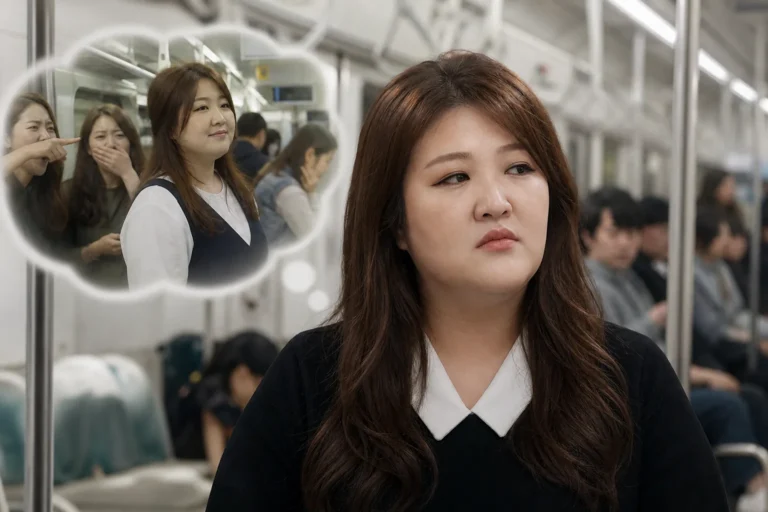
Lee Guk Joo has revisited a surprising subway encounter from her rookie days, sharing how a moment that first seemed like ordinary public recognition suddenly turned into a hurtful insult in front of other passengers.
The comedian and broadcaster discussed the memory during a recent appearance on the YouTube program Hi Ssemi. Looking back nearly two decades, she explained that even as a newcomer she already had a recognizable character on television. Because variety programs with modest ratings could still carry broad public visibility at the time, brief appearances were sometimes enough for viewers to remember a performer’s face.
That early recognition shaped how she read the situation on the train. While riding the subway, she noticed a boy near the opposite door repeatedly looking in her direction and speaking with his friend. Lee Guk Joo said she assumed he may have recognized her and was deciding whether to approach. She prepared herself for the possibility that he might ask for an autograph or a photo, a common situation for entertainers who are just beginning to realize that strangers know who they are.
A Public Moment That Changed Quickly
The boy continued looking over for several stops but did not approach while the train was moving. When he finally got off, the timing made the encounter more startling. As the doors were nearly closing, he shouted an insult directed at her appearance, leaving the other passengers in the car aware of what had happened.

Lee Guk Joo described the embarrassment of being the only obvious target of the remark. She was 22 at the time, still early in her broadcast career, and the incident happened in the confined space of public transportation. What began as a moment of anticipation over being recognized as a young entertainer ended as a reminder that visibility can expose public figures to comments that are invasive, personal, and difficult to answer in the moment.
Her retelling was delivered with humor, including a self-deprecating reflection that she is heavier now than she was back then and that, in hindsight, she considered herself relatively thin at the time. She also recalled how senior comedians reacted to her arrival in the industry, joking that her image affected their own roles. The memory mixed comedy with a sharper point: public and industry conversations around body size can follow entertainers from the beginning of their careers.
Why The Story Resonates
The anecdote stands out because it captures a familiar contradiction in entertainment careers. Recognition is often treated as a sign of success, especially for rookies who are trying to build a name. Yet the same recognition can become uncomfortable when strangers feel entitled to comment on a performer’s face, body, or identity in public spaces.

Lee Guk Joo has built much of her career through variety timing, candid storytelling, and a willingness to laugh at awkward situations. In this case, the humor in the delivery does not erase the discomfort of the original moment. The story reflects how celebrities, especially women in comedy and television, are often expected to turn personal insults into entertainment while continuing to appear relaxed and approachable.
It also highlights the difference between being noticed and being respected. A viewer recognizing a young broadcaster could have become a positive memory. Instead, the delayed shout through closing subway doors turned the interaction into a public humiliation, one she still remembers 19 years later. That detail helps explain why even brief encounters can stay with performers long after their careers have moved forward.
For audiences, the story is a small but revealing look at the early pressures of Korean entertainment. Performers are asked to be visible, friendly, resilient, and funny even when the public attention they receive is not always kind. Lee Guk Joo’s account shows how a single offhand comment can become part of an entertainer’s long personal history, especially when it happens at an age and career stage when confidence is still being formed.
The episode has resurfaced as a candid variety-show memory, but its broader message is clear. Celebrity recognition may begin with a familiar face on television, yet the way fans and passersby respond can determine whether that recognition becomes encouraging or painful. Lee Guk Joo’s story turns one uncomfortable subway ride into a reminder that public figures remain vulnerable to the tone and timing of everyday comments.



Join the Conversation
Log in to share your thoughts and join the conversation with other fans.