
HYBE’s “ICONIC BY MISTAKE” Collaboration Spurs Fresh Social Buzz as K-Pop Fans Compare Choreography, Context, and Intent

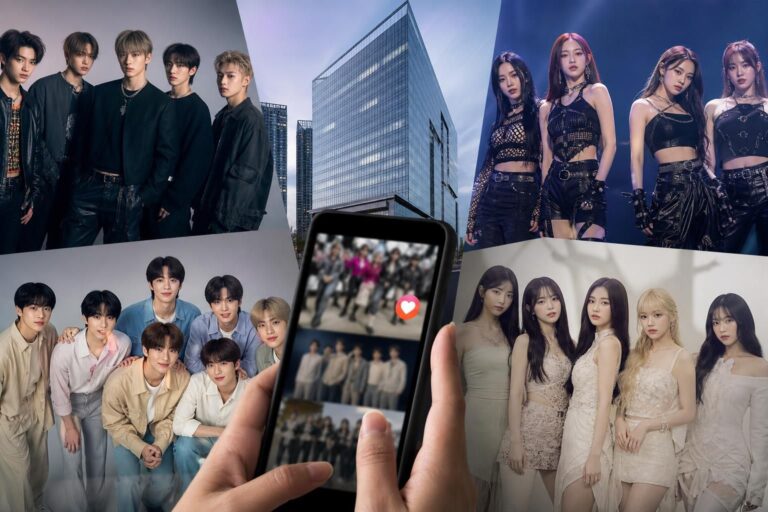
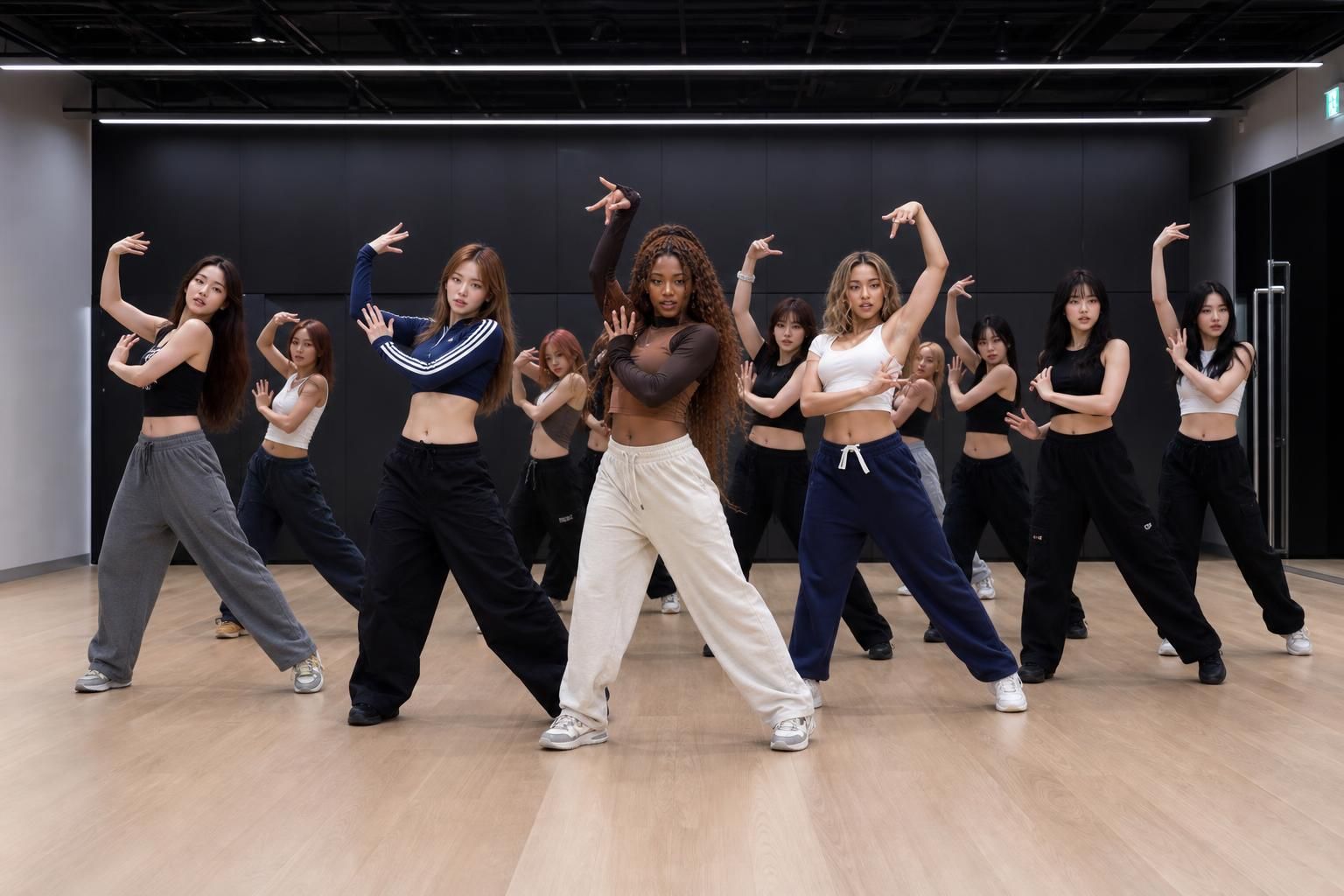
HYBE has released a new dance practice video for “ICONIC BY MISTAKE,” the collaboration track from LE SSERAFIM, ILLIT, and the global girl group KATSEYE, offering fans a closer look at the routines behind the song’s choreography. The move lands amid renewed online debate within the K-pop fandom ecosystem—where viral dance clips and even small performance details are increasingly used as proof points in broader narratives about meaning, rivalry, and “intent.”
According to Soompi, HYBE unveiled the video on June 14, building on choreography first showcased during a performance on “M Countdown.” The dance practice format is designed to make the choreography easier to replicate, analyze, and discuss—something K-pop audiences have become especially skilled (and sometimes quick) at doing in public.
HYBE releases dance practice for “ICONIC BY MISTAKE”
The newly shared footage centers on the three-group collaboration, with each act’s members performing the choreography in a practice setting. While the full production polish of stage performances can sometimes blur fine-grained movement differences, dance practice videos tend to sharpen what fans pay attention to: angles, footwork timing, hand formations, and signature transitions.
In this case, the choreography is already widely circulated from earlier appearances, and HYBE’s practice release effectively gives fans an “official” baseline to compare against user re-uploads, fancams, and short-form edits. For groups with cross-market fan bases—like KATSEYE in particular—this also functions as a familiar entry point for global audiences who may not track every televised performance.
Viral dance context reignites fandom debates
While the collaboration video itself is straightforward, the larger conversation it’s entering isn’t. Koreaboo reports that a separate viral TikTok involving two HYBE idols—Sunoo of ENHYPEN and Wonhee of ILLIT—has triggered a heated online discourse, with some NewJeans fans arguing the clip resembled elements from a NewJeans-associated performance.
In the TikTok in question, the idols are seen dancing to “Tell Me” by Wonder Girls, and viewers quickly began parsing whether their movement choices matched a “NewJeans version” tied to an earlier 2022 SBS Gayo Daejeon performance. As reported, arguments split along two lines: some users felt the sequence implied a reference, while others countered that fans were conflating commonly used choreography with a more specific intro variation that NewJeans popularized.
The significance here is not whether the dance “meant” anything—because choreography reuse and adaptation are routine in K-pop—but how quickly audiences convert movement into narrative. In fandom culture, “who did what” can become shorthand for “who is taking shots at whom,” especially when groups share industry overlap.
Even offhand “student” remarks become instant targets
At the same time, Koreaboo also highlights another incident involving LE SSERAFIM’s Eunchae, where an older Weverse live clip resurfaced and sparked criticism. In the segment, Eunchae commented about how difficult it must be for high school students to wake up early, referencing her own experience waking up at 7 a.m.
But some netizens accused her of “condescending” or “mocking” students, arguing that her life as an idol is fundamentally different from what typical students endure—an argument that played out publicly as the clip gained attention (with one account cited as receiving 18M+ views overnight, according to the report). Supporters countered that the members’ broader tone, including how they empathized with student fans, did not read as ridicule; instead, it framed the comment as reassurance.

Taken together, these episodes underline how K-pop content spreads: a short clip, a dance sequence, or a single line can be interpreted through existing emotional frameworks—especially when fans believe there is a “pattern” of disrespect or rivalry.
Why choreography—and its “meaning”—matters more than ever
Dance practice videos aren’t new, and choreography comparisons aren’t unusual. What’s changed is the speed and volume of analysis. When a routine is released officially, it becomes both a learning tool and a reference point for discourse. In the current environment, fans may treat any notable resemblance—timing, a transition, a signature move—as evidence in debates that extend beyond the performance itself.
That has consequences for artists and brands. Collaboration content can be designed purely for entertainment and promotion, yet it can become entangled with perceived inter-group dynamics. For HYBE, releasing “ICONIC BY MISTAKE” practice footage is a standard promotional step; for audiences, it’s also a moment to watch what gets emphasized, how groups move together, and whether any details can be stitched into larger stories online.
What to watch next
For now, fans will likely use the “ICONIC BY MISTAKE” practice video to do what fandom audiences do best: break down choreography into rewatchable segments, compare it with earlier stage versions, and track whether future appearances add variations. The choreography’s clarity may also accelerate cover trends, since practice footage typically makes replication easier for dance communities.
Meanwhile, the broader online pattern—where viral dance clips and resurfaced statements are interpreted as possible signals—suggests more discourse is likely, even when the core content is lighthearted. Next, watch for how HYBE and the involved groups handle context in communications—whether through additional behind-the-scenes content, clearer framing for collaborations, or simply letting performances speak while fans argue over what “speaking” can mean.
Join the Conversation
Log in to share your thoughts and join the conversation with other fans.
I like that this gives the story some breathing room. Curious how people react after reading the full context.